


 معاينة الحجم الواقعي
 إرسال
إرسال مشاركة
 عرض التفاصيل
 دليل الأعمال الفنية للطلاب

 تحميل
تحميل
 قطع مشابهة
 الأشعة السينية
 عرض شرائح متتابع
 الإحصائيات
St. George and the Dragon
 زيت على لوح خشبي
- High Renaissance
 1506
1506- عصر النهضة
 28.0 x 21.0 cm
 اقرأ المزيد
طباعة جيلي / مطبوعات فنية
طباعة جيكلي أو كانفاس بجودة المتاحف، مع سرعة في التنفيذ وخيارات متنوعة للتشطيب. ( اطلب نسخة مرسومة يدويًا التحويل إلى الصورة الرقمية)




P118B E£10

P118H E£10

P118W E£10

P438Z E£10

P508JH E£12

P508YH E£12

P805H E£10

P805Z E£10

P919BZ E£10

P919G E£10

P919XJ E£10

P959ZH E£10

P968JZ E£12

W106C E£8

W218G E£10

W218JH E£8

W218Y E£10

W307PJ E£10

W316G E£10

W316PJ E£8

W316Y E£10

W398PJ E£8

W4111J E£10

W500HY E£15

W500JH E£15

W692G E£12

W849H E£8

W940BG E£15

W953PJ E£8




اختر من بين أحجامنا المُعدّة مسبقاً والتي تتوافق مع النسب الأصلية للعمل الفني.

أدخل العرض والارتفاع اللذين تحتاجهما، ليتناسب مع إطارك أو جدارك. يمكن قص المطبوعة فقط، ولا يمكن أبداً جعلها أكبر من الصورة الأصلية، لذا فإن أي مقاس بشكل مختلف سيؤدي إلى فقدان جزء من الصورة. سنرسل لك نموذجاً رقمياً تجريبياً لاعتماده قبل البدء في عملية الطباعة. الصورة المعروضة في هذه الصفحة لا توضح القص الفعلي — النموذج التجريبي فقط هو ما يظهر ذلك.
توصيل عالمي إلى خلال أسبوعين بدلاً من المدة القياسية البالغة 4/5 أسابيع. (25 أكتوبر)

شحن سريع ومجاني لجميع أنحاء العالم

قماش كتان فاخر

تأمين شامل على الشحن

ضمان استرداد الرسوم الجمركية

ضمان دقة مطابقة الألوان

سياسة الإرجاع خلال 100 يوم (في حالات العيوب فقط)

ضمان استرداد نقدي بنسبة 100%

عرض خصم الكميات
 خيار الزجاج متاح فقط للمقاسات التي تقل عن 110 سم

St. George and the Dragon
طباعة جيلي / مطبوعات فنية
مقاس النسخة المطبوعة
-


إجمالي السعر
E£ 3312
St. George and the Dragon: A Renaissance Triumph of Heroic Idealism
The painting “St. George and the Dragon” by Raphael stands as an enduring emblem of High Renaissance artistic achievement, embodying the movement’s core principles of harmony, clarity, and profound human dignity—a testament to Raphael's unparalleled mastery of form and color. Created in 1506 during his formative years in Rome, this oil on wood panel artwork transcends mere depiction; it communicates a narrative steeped in Christian symbolism and infused with the humanist spirit that defined its era. Measuring just 28 x 21 cm, its modest size belies the monumental impact of Raphael’s vision.The Artistic Context: Leonardo, Michelangelo, and Raphael's Legacy
Raphael emerged as one of the triumvirate shaping the artistic landscape of Florence and Rome—alongside Leonardo da Vinci and Michelangelo—each pushing the boundaries of artistic innovation while upholding classical ideals. Unlike his contemporaries who often wrestled with dramatic emotion or experimental techniques, Raphael pursued a path of serene elegance, prioritizing balance and proportion to convey profound spiritual truths. His influence extended far beyond his lifetime, establishing him as a cornerstone of Neoclassical art and cementing his reputation as one of the most beloved artists in Western history. Giorgio Vasari famously lauded Raphael’s ability to “make things beautiful,” capturing the essence of his artistic philosophy—a pursuit of perfection rooted in observation and reasoned contemplation.A Narrative Embodied: The Dragon Slayer's Quest
The painting depicts St. George, mounted on horseback, confronting a fearsome dragon – a creature representing evil and pagan superstition – as he valiantly pursues its defeat. This iconic image draws upon ancient myths and legends, transforming them into a powerful allegory of Christian virtue battling darkness. Raphael skillfully utilizes perspective to create depth and dynamism within the confined space of the panel, guiding the viewer’s eye towards the central figure and emphasizing the drama unfolding before him. The dragon dominates the lower portion of the canvas, its serpentine coils conveying menace and power, while St. George, positioned on the left side, embodies courage and righteousness—his lance poised to deliver the decisive blow.Technical Brilliance: Light, Shadow, and Color Harmony
Raphael’s masterful technique exemplifies the Cinquecento Art Movement's fascination with manipulating light and shadow to achieve sculptural realism. He employs *tonal shading* – a subtle gradation of color—to sculpt the horse’s musculature and imbue St. George’s armor with palpable volume, creating an illusion of three-dimensionality that surpasses mere representation. Raphael’s palette is restrained yet vibrant, favoring warm hues like ochre and crimson to illuminate St. George's figure and convey his heroic spirit. The landscape backdrop—characterized by muted greens and blues—provides a tranquil counterpoint to the turbulent confrontation between saint and dragon, reinforcing the painting’s overarching theme of triumph over adversity.Symbolism and Emotional Resonance: A Meditation on Faith
Beyond its visual splendor, “St. George and the Dragon” resonates with profound symbolic meaning. The dragon represents temptation and evil, while St. George embodies faith, courage, and divine protection—a timeless depiction of the struggle between good and evil that continues to inspire viewers centuries later. Raphael’s composition deliberately evokes classical ideals of heroism and nobility, reflecting the humanist conviction that humans possess inherent dignity and potential for greatness. The painting's serene beauty serves as a reminder of the enduring power of faith to overcome darkness—a message conveyed with remarkable subtlety and grace by one of the greatest artists of all time.- Artist: Raphael
- Painting Title: St. George and the Dragon
- Year: 1506
- Medium: Oil on wood panel
- Size: 28 x 21 cm
- Style: High Renaissance
For a deeper understanding of the history of painting, refer to History of Painting and Western Painting on Wikipedia.
الأسئلة والأجوبة
ما تاريخ وتصميم "St. George and the Dragon" للفنان رافايلو؟
يعود تاريخ "St. George and the Dragon" للفنان رافايلو إلى عام 1506 وينتمي إلى High Renaissance.
ما هو اللون الطاغي على تكوين "St. George and the Dragon" للفنان رافايلو؟
اللون الأكثر بروزاً في "St. George and the Dragon" هو خشب عتيق (#997a5f). ويعد اللون السائد مفيداً عند تنسيق العمل الفني مع التصميم الداخلي.
كيف تم بناء التكوين اللوني لـ "St. George and the Dragon" للفنان رافايلو؟
يُظهر التحليل اللوني لـ "St. George and the Dragon" للفنان رافايلو تباينًا بيان وتناغمًا وحدة لونية قوية.
أعمال فنية مشابهة


نبذة عن الفنان
رافائيل: فنان عصر النهضة الإيطالية، بين الرقة والانسجام
في قلب مدينة أوربينو النابضة بالحياة الفكرية والفنية، وُلد رافاييل سانزيو، أو كما عُرف بالعالم "رافائيل"، عام 1483. لم يكن مجرد فنان، بل نتاج بيئة ثقافية غنية، حيث كان والده جيوفاني سانتّي ليس فقط رسامًا في بلاط الدوق فريدريكو دا مونتيفيلترو، بل أيضًا شاعرًا ومثقفًا متعمقًا في تيارات عصر النهضة. هذا الانغماس في بيئة تقدر الرقي الفكري والنقاشات الأدبية شكل بعمق حساسيته الفنية منذ صغره. بعد وفاة والده المبكرة، تحمل رافائيل مسؤولية ورشة العائلة، مما سمح له بصقل مهاراته تحت إشراف فنانين محليين، حيث بدأت تظهر علامات أسلوبه المميز: رقة فائقة واهتمام دقيق بالتفاصيل.
من أمبريا إلى فلورنسا: رحلة استيعاب التأثيرات
كانت رحلة رافائيل الفنية سلسلة من التطور المستمر، حيث تميزت بفترات مكثفة من الدراسة والاستيعاب. التدريب الأولي تحت إشراف بييترو بيروجينو في بيروجيا وضع أساسًا متينًا في الأسلوب الأمبرياني – الذي يتميز بنمذجة ناعمة وتكوينات متناغمة ومشاهد دينية هادئة. لكن فضوله الذي لا يشبع دفعه إلى البحث عن تحديات جديدة وتوسيع آفاقه الفنية. في عام 1504، سافر إلى فلورنسا، المدينة التي كانت تنبض بطاقة الابتكار الفني. هنا، واجه أعمال ليوناردو دا فينشي وميكيلانجيلو، الفنانين الذين دفعوا حدود الرسم إلى مستويات غير مسبوقة. درس بدقة تقنياتهما – "سفوماتو" ليوناردو، تلك التدرجات الدقيقة للضوء والظل، والدقة التشريحية الدرامية والتكوينات القوية لميكيلانجيلو. كانت هذه الفترة في فلورنسا بمثابة بوتقة انصهار، أجبرته على مواجهة إمكانيات فنية جديدة ودمجها في رؤيته الفريدة.
الانتصار الروماني: المفوضيات والإبداعات الخالدة
في عام 1508، تلقى رافائيل دعوة غيرت مسار حياته المهنية – دعوة من البابا يوليوس الثاني للانتقال إلى روما. شكل هذا بداية الفترة الأكثر إنتاجية وازدهارًا في حياته. قدمت له المدينة الأبدية فرصة لا مثيل لها لعرض مواهبه على نطاق واسع، وتزيين شقق البابا في الفاتيكان بلوحات جدارية مذهلة. "أكاديمية أثينا"، ربما عمله الأكثر شهرة، هي شهادة على إتقانه للتكوين والمنظور والرمزية الفلسفية. داخل هذا الفضاء المهيب، جمع رافائيل شخصيات من العصور القديمة الكلاسيكية – أفلاطون وأرسطو وفيثاغورس وإقليدس – لإنشاء مشهد حي يحيي العقل البشري والسعي وراء المعرفة. استمر في العمل للبابوات اللاحقين، بما في ذلك ليون العاشر، وتولى مشاريع ضخمة مثل تزيين "ستانزا ديلا سيجناتورا" و"ستانزا د'إيليودورو". لوحاته الجدارية في هذه الغرف ليست مجرد زخرفة؛ إنها بيانات قوية حول قوة البابا والإيمان الديني ومثل عصر النهضة.
توازن بين الرقة والوقار: أسلوب رافائيل الفني
غالبًا ما يوصف الأسلوب الفني لرافائيل بأنه مزيج متناغم من الرقة والوضوح والجمال المثالي. كان يتمتع بقدرة استثنائية على دمج التأثيرات المتنوعة – التقاليد الأمبرية، والابتكارات الفلورنسية، والعصور القديمة الكلاسيكية – في جمالية فريدة ومتوازنة. تكوينات أعماله مخططة بدقة، وتعرض إحساسًا بالنظام والتناسب يعكس فهمه العميق لمبادئ عصر النهضة. تنبض شخصياته بهدوء ووقار وتعبير عاطفي، مما يجسد المثال الإنساني للكمال البشري. كان أيضًا أستاذ في الألوان، مستخدمًا ألوانًا غنية ومشرقة لإنشاء أعمال جذابة بصريًا ومحفزة فكريًا على حد سواء. على عكس الأسلوب الدرامي المضطرب غالبًا لميكيلانجيلو، تشع أعمال رافائيل بإحساس بالهدوء والانسجام – وهي صفة أسرقت قلوب الجماهير لعدة قرون.
إرث وتأثير دائم
لقد قصرت وفاة رافائيل المبكرة في عام 1520 عن عمر يناهز الثالثة والثلاثين، حياة مليئة بالإمكانات. ومع ذلك، فإن إرثه باقٍ كواحد من أهم الشخصيات في تاريخ الفن الغربي. أصبحت أعماله حجر الزاوية في الجمالية العالية لعصر النهضة، وخدمت كنموذج للأجيال القادمة من الفنانين. بينما سيطغى تأثير ميكيلانجيلو لاحقًا على الخطاب الفني، شهد التأكيد على الوضوح والانسجام والجمال المثالي لرافائيل انتعاشًا خلال الفترة الكلاسيكية الجديدة، حيث دافع عنه النقاد مثل يوهان جوتهارد فينكلمان. اليوم، تظل لوحاته تلهم الرهبة والإعجاب، وتأسر المشاهدين ببراعتها التقنية وعمقها العاطفي وجاذبيتها الدائمة. لقد رسخ مكانته كفنان حقيقي من عصر النهضة – فنان التقط ليس فقط الشبه الجسدي لموضوعاته، بل أيضًا جوهر الرشاقة الإنسانية والكرامة.
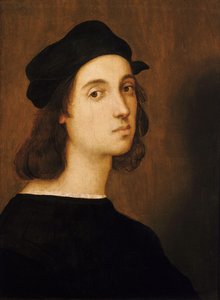
رافايلو
1483 - 1520 , إيطاليا
لمحة سريعة
- Artistic Movement Or Style: الريناسانس العظيم
- Artists Who Influenced This Artist: ['ليوناردو دا فينشي"، "ميكاييل أنجيلو']
- Date Of Birth: 1483
- Date Of Death: 1520
- Full Name: رافائيل سانزيو د أوربينا
- Nationality: إيطالي
- Notable Artworks: ['المدرسة اليونانية"، "السيسينا ماдона"، "تحويل القديس يوحنا المعلم']
- Place Of Birth: أوربينا، إيطاليا
مقالات ذات صلة

The Renaissance Masters: A Comparative Study of Leonardo, Michelangelo, and Raphael
Explore the profound technical and philosophical differences between Leonardo, Michelangelo, and Raphael. A deep dive into High Renaissance mastery, from sfumato to anatomical precision, designed for art students and scholars seeking academic depth.




![غرف الفاتيكان - طرد هليودور من الهيكل (تفاصيل) [02]](/media/artworks/images-thumb/3a/23/3a2308b63b60b5cb105575e135028d92.jpg)


