معاينة الحجم الحقيقي
 مشاركة
 مشاركة
 التفاصيل

 تحميل الملف
 قطع مشابهة
 الأشعة السينية
 عرض شرائح
Crucifixion
 Tempera On Panel
- WallArt
- Late Gothic
 1333
1333- Late Medieval
 24.0 x 15.0 cm
 كونينكليك موزييم فيور آرتس آنتيويرب
 عرض المزيد
طباعة جيلي / مطبوعات فنية
طباعة جيكلي أو كانفاس بجودة المتاحف، مع سرعة في التنفيذ وخيارات متنوعة للتشطيب. ( اشترِ لوحة مرسومة يدويًا اشترِ الصورة)




P118B $10

P118H $10

P118W $10

P438Z $10

P508JH $12

P508YH $12

P805H $10

P805Z $10

P919BZ $10

P919G $10

P919XJ $10

P959ZH $10

P968JZ $12

W106C $8

W218G $10

W218JH $8

W218Y $10

W307PJ $10

W316G $10

W316PJ $8

W316Y $10

W398PJ $8

W4111J $10

W500HY $15

W500JH $15

W692G $12

W849H $8

W940BG $15

W953PJ $8




اختر من بين أحجامنا المُعدّة مسبقًا والتي تتطابق مع النسب الأصلية للعمل الفني.

يمكنك إدخال أبعادك الخاصة لتناسب إطاراً أو مساحة معينة. وإذا لم يتطابق الحجم الذي اخترته مع نسب الصورة الأصلية، فسنقوم إما بقص العمل الفني أو تمديد الصورة باستخدام حافة معكوسة أو بلون مصمت. سيتم إرسال نموذج تجريبي رقمي لاعتمادك قبل بدء الإنتاج.
يرجى ملاحظة أن المعاينة على الشاشة لا تعكس عملية القص أو التمديد الفعلية؛ حيث سيوضح النموذج التجريبي فقط التكوين النهائي بدقة.
وعلى الرغم من توفر أحجام مخصصة، إلا أننا نوصي باختيار أبعاد من القائمة المحددة مسبقاً للحفاظ على النسب الأصلية.
توصيل عالمي إلى خلال أسبوعين بدلاً من المدة القياسية البالغة 4/5 أسابيع. 17 أغسطس

شحن سريع ومجاني لجميع أنحاء العالم

قماش كتان عالي الجودة

تأمين شحن شامل

ضمان استرداد الرسوم الجمركية

ضمان مطابقة الألوان الحقيقية

سياسة الإرجاع خلال 60 يومًا (في حالات العيوب فقط)

ضمان استرداد نقدي بنسبة 100%

خصم عند طلب عدة قطع
 خيار الزجاج متاح فقط للمقاسات التي تقل عن 110 سم

Crucifixion
طباعة جيلي / مطبوعات فنية
مقاس النسخة المطبوعة
-


السعر الإجمالي النهائي
$ 64
وصف القطعة الفنية
A Divine Drama in Miniature: The Elegance of Simone Martini
In the quiet intimacy of a small panel, measuring a mere 24 by 15 centimeters, Simone Martini captures an event of cosmic significance with unparalleled grace. His Crucifixion, painted around 1333, is far more than a historical record of Christian passion; it is a masterclass in the Sienese Gothic aesthetic, where spiritual agony meets courtly refinement. To gaze upon this work is to enter a realm where the heavy weight of suffering is balanced by an ethereal, almost weightless beauty. The scene unfolds with a breathtaking precision that belies its diminutive scale, inviting the viewer into a profound moment of contemplation that feels both deeply personal and universally monumental.
The technical mastery displayed in this piece reflects the pinnacle of 14th-century Italian innovation. Utilizing tempera on panel, Martini employs a technique that allows for a luminous, jewel-like quality, particularly evident in the way light interacts with the delicate surfaces. Unlike the more grounded, earthy realism found in the Florentine works of his contemporary Giotto, Martini’s hand is characterized by an aristocratic elegance. He utilizes subtle hatching and scumbling to create soft gradations of tone, lending a palpable sense of atmosphere to the air surrounding the cross. The figures are rendered with elongated, lyrical lines and drapery that flows with a rhythmic, musical quality, transforming a scene of execution into a dance of divine sorrow.
Siena’s Golden Age and the Language of Faith
To understand the soul of this painting, one must look to the vibrant streets of 14th-century Siena. During this period, Siena was a flourishing center of commerce and culture, a city defined by its intense religious devotion and sophisticated patronage. Martini, a pivotal figure in the transition from the medieval to the Renaissance, worked within an environment shaped by the Dominican Order and a wealthy merchant class that craun for art reflecting both piety and prestige. This Crucifixion serves as a testament to that era's spiritual fervor, embodying the Sienese school's unique ability to blend Byzantine-influenced iconography with a new, more emotive humanism.
The symbolism embedded within the composition invites layers of interpretation for the discerning collector. The positioning of Christ, suspended between heaven and earth, acts as a bridge for the faithful. Surrounding him, the figures of mourners and angels are not merely spectators but participants in a shared emotional experience. The vibrant colors and intricate details—from the subtle glint of gold to the poignant expressions of grief—work in harmony to convey the central tenets of the Christian faith: sacrifice, redemption, and eternal hope. For those looking to integrate such a piece into a curated collection or a sophisticated interior, it offers a profound focal point that commands attention through its quiet, dignified intensity.
Whether viewed as a historical masterpiece or an exquisite decorative element, Martini’s Crucifixion remains an enduring icon of beauty. It possesses the rare ability to anchor a room with its historical gravity while elevating the surrounding space with its delicate, luminous spirit. For the art lover and the interior designer alike, this work represents a timeless intersection of technical brilliance and emotional depth, making it a truly incomparable treasure for any high-quality reproduction collection.
أعمال فنية ذات صلة




السيرة الذاتية للفنان
Simone Martini: The Poet’s Muse and the Elegance of Gothic
Simone Martini (c. 1284 – July 1344) stands as a cornerstone of Tuscan Gothic art, an artist whose oeuvre embodies the refined sensibilities and meticulous craftsmanship that defined the era. Born in Siena—a city renowned for its vibrant artistic tradition—Martini’s life story is interwoven with tales of patronage, pilgrimage, and intellectual engagement, offering a glimpse into the cultural landscape of fourteenth-century Italy.
Early Life and Artistic Training
Precise biographical details surrounding Martini's birth remain elusive, shrouded in the uncertainties inherent to historical records. However, scholarly consensus suggests that he emerged from Siena sometime around 1284/85—likely the son of Martino Senese, a craftsman specializing in preparing plaster for frescoes.
His formative years were spent under the tutelage of Duccio di Buoninsegna, Siena’s foremost painter and arguably the most influential figure in Tuscan Gothic. Vasari recounts that Martini apprenticed himself to Giotto—a claim debated by modern art historians—yet Duccio undeniably instilled in him a profound understanding of stylistic principles rooted in Byzantine tradition.
Furthermore, Martini's exposure to Sienese goldsmithing workshops honed his technical skills and fostered an appreciation for decorative embellishment—a characteristic that would permeate his subsequent artistic endeavors. The influence of Memmo di Filippuccio—another prominent artist of Siena—extended beyond mere apprenticeship; their collaboration cemented Martini’s position within the city’s artistic milieu.
The Maestà: A Synthesis of Styles
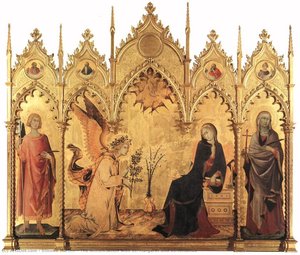
Martini's magnum opus, the *Maestà* fresco commissioned for the Palazzo Pubblico in Siena (completed 1315), exemplifies his masterful synthesis of Gothic and Byzantine elements. The monumental panel depicts Mary enthroned with Christ Child—a composition that draws inspiration from Byzantine iconography while simultaneously incorporating Sienese decorative conventions.
The fresco’s shimmering gold leaf, meticulously applied by Martini's workshop, underscores the importance of materiality in conveying visual splendor. Moreover, Martini’s innovative use of perspective—particularly in the depiction of drapery folds—represents a significant advancement in artistic technique and foreshadows developments within Florentine painting.
The Maestà is not merely a technical achievement; it embodies Martini's aesthetic vision—a vision characterized by elegance, grace, and an unwavering commitment to capturing the spiritual essence of religious iconography. It stands as a testament to Martini’s ability to elevate artistic craftsmanship into a form of sublime beauty.
Beyond Siena: Patronage and Artistic Innovation
Martini’s artistic career extended beyond Siena's borders, encompassing commissions from papal courts in Avignon and Naples—a testament to his renown as an artist and the enduring appeal of his stylistic innovations. His patronage by Robert of Anjou—king of Naples—provided him with invaluable opportunities for experimentation and creative exploration.
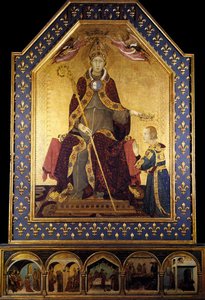
Among Martini’s most celebrated works are the *Saint Louis Crowning Robert* (1317), executed for the royal court in Naples, and the *Saint Catherine Polyptych*, commissioned by Assisi Cathedral. These paintings showcase Martini's unparalleled command of color and form—demonstrating his mastery of both monumental fresco painting and intimate panel portraits.
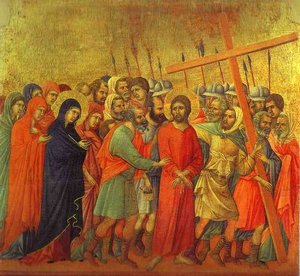
His innovative approach to composition—particularly evident in the depiction of Christ before Pilate—challenged prevailing artistic conventions and signaled a decisive break from medieval stylistic norms. Martini’s legacy resides not only in his technical prowess but also in his contribution to shaping the aesthetic sensibilities of his time—a contribution that continues to inspire admiration and scholarly inquiry centuries later.
A Lasting Influence on Gothic Art
Simone Martini's influence reverberates throughout European art history, particularly within the realm of Gothic painting. His stylistic refinements—characterized by flowing lines, delicate ornamentation, and an unwavering pursuit of beauty—established a new standard for artistic excellence.
Artists across Europe emulated Martini’s techniques and compositional strategies—resulting in a widespread dissemination of his aesthetic vision. Martini's legacy transcends mere stylistic imitation; it embodies the enduring power of art to communicate spiritual values and elevate human experience—a testament to Simone Martini’s place as one of the most influential figures in the history of European painting.

سيمون مارتيني
1284 - 1344 , إيطاليا
حقائق سريعة
- Artistic Movement Or Style: الدييكو الكوني المعتبرة
- Artists Who Influenced This Artist: ['الدييكو دي بوينيسينا"، "جيوتو دي بوندو']
- Date Of Birth: ع. ١٢٨٤
- Date Of Death: ١٣٤٤
- Full Name: Simone Martini
- Nationality: إيطالي
- Notable Artworks: ['الم Maestà"، "القديس لويس من طولوزة"، "القديسة كاترين الأليكساندريا البوليبيتخ"، "الإنعاش مع القديسة ماريجوري والقداسة أنسانوس']
- Place Of Birth: سني، إيطاليا
مقالات ذات صلة

Tempera on Panel: A Procurement Guide to Durable, High-Quality Art for Large-Scale Hospitality Projects
A professional procurement guide for hotel designers on the durability and prestige of tempera on panel. Discover how these high-quality, large-scale artworks offer unmatched longevity and architectural impact for premium hospitality projects and commercial interiors.

Gothic Art Guide for Hotel Designers: Leveraging Dramatic Shadows and Architectural Grandeur in Luxury Interiors
Elevate hospitality interiors with our expert guide to Gothic art. Discover how to leverage dramatic shadows, architectural grandeur, and high-end reproductions to create sophisticated, atmospheric hotel spaces that captivate guests.

The Professional Guide to Tempera Paint: History, Techniques, and Applications for High-End Interior Design
Master the art of tempera painting with our expert guide. Explore its historical significance, technical precision, and professional applications for luxury hotel design and large-scale architectural projects.