ضمان استرداد الأموال خلال ١٠٠ يوم شحن مجاني حول العالم
449587الأعمال الفنية 30613الفنانون 4660المتاحف 32اللغات
العملة
    اللغة
      أتيليه · تأسست عام ٢٠١٥ · باريس، فرنسا
      AllPaintingsStore
      allpaintingsstore.com
      Catalogue entry

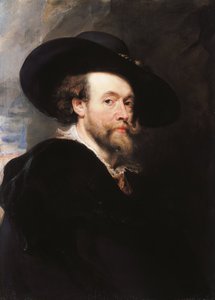
      Saint Peter

      1612. Acrylic.

      Fig. 1. بيتر بول روبنز, Saint Peter, 1612. Shown as the reproduction you are specifying: , .

      § 1Catalogue data

      § 2Abstract

      وصف المقتنيات

      Rubens’ masterful Baroque portrait captures Saint Peter holding keys—a symbol of papal authority—in a dramatic pose amidst companionships. Explore this iconic depiction from 1612 and bring Renaissance grandeur into your home.

      نبذة عن الفنان

      بيتر بول روبنز: رسام باروكي هولندي شهير، اشتهر بلوحاته الديناميكية والألوان الزاهية مثل "النزول عن الصليب". أثر كبير في الفن الأوروبي وأحد أهم رموز عصر الباروك.

      § 3Commentary

      A Portrait of Faith and Authority: Exploring Rubens’ Saint Peter

      • Subject Matter: This monumental portrait depicts Saint Peter, the revered first Pope of Christianity, embodying spiritual leadership and divine grace. Rubens meticulously captures Peter's solemn gaze as he contemplates something beyond the frame—a gesture that speaks volumes about contemplation and faith.
      • Style & Technique: Painted in 1612 during Rubens’ prolific period in Rome, Saint Peter exemplifies the Baroque style – characterized by dramatic lighting, opulent drapery, and a masterful use of color. Rubens employed oil paint on canvas with meticulous brushwork, layering pigments to achieve remarkable depth and luminosity. The artist's signature technique—sfumato—creates subtle gradations of tone that soften contours and imbue the figure with an ethereal quality.
      • Historical Context: Rubens’ Saint Peter emerged from a period of significant religious fervor in Rome, where he served as court painter to Pope Paul V. The painting reflects the papal patronage prevalent during this era, highlighting the importance of religious iconography within aristocratic circles. It stands as testament to the Baroque fascination with portraying saints and biblical figures as embodiments of virtue and spiritual power.
      • Symbolism: The keys held by Saint Peter are a potent symbol of ecclesiastical authority—representing his role as protector of the Church and dispenser of divine justice. Rubens’ careful positioning of Peter within the composition reinforces this symbolism, emphasizing his central importance in Christian theology. Furthermore, the drapery surrounding Peter is richly ornamented with gold thread and embroidery, signifying holiness and royal dignity.
      • Emotional Impact: Saint Peter transcends mere representation; it evokes a profound sense of reverence and contemplation. Rubens’ masterful rendering captures not only Peter's physical likeness but also his inner spirit—a gaze imbued with solemnity and unwavering faith. The painting invites viewers to consider themes of piety, responsibility, and the enduring legacy of Christian tradition. Its luminous colors and textured surface contribute to an immersive experience that resonates with the grandeur and emotional intensity characteristic of Baroque art.

      الأسئلة والأجوبة

      هل تبدو ألوان "Saint Peter" قوية أم هادئة؟

      تتميز الألوان في "Saint Peter" للفنان بيتر بول روبنز بكثافة Balanced.

      كيف يمكنني الحصول على نسخة مطبوعة من "Saint Peter" للفنان بيتر بول روبنز؟

      تتوفر نسخة مطبوعة من "Saint Peter" عبر مطبوعة فنية فاخرة على قماش قطني أو ورق كانفاس أرشيفي. يمكن تقديم الطلبات من خلال صفحة مطبوعة فنية فاخرة، بالحجم الذي تختارونه.

      ما هو اللون الأكثر بروزاً في "Saint Peter"؟

      يُعد اللون Phthalo Green (#2d231b) هو اللون الطاغي في لوحة "Saint Peter" للفنان بيتر بول روبنز.
      § 4The artist

      بيتر بول روبنز

      بيتر بول روبنز

      1577 - 1640, ألمانيا

      Quick facts about بيتر بول روبنز

      • Artistic Movement Or Style: باروكي
      • Artists Or Movements Influenced By This Artist:
        • أنتوني فان ديوك
        • ياكو بوردجونس
      • Artists Who Influenced This Artist:
        • ميكائيل أنجيلوس
        • رافائيل
        • تيشان
      • Date Of Birth: 28 يونيو 1577
      • Date Of Death: 30 مايو 1640
      • Full Name: بيتر بول روبنز
      • Nationality: فلندي
      • Notable Artworks:
        • نزول المسيح من الصليب
        • رفع الصلب
      • Place Of Birth: زيغن، ألمانيا

      نبذة عن الفنان

      Sir Peter Paul Rubens: A Baroque Master!

      Sir Peter Paul Rubens, a name that resonates with the very essence of Baroque dynamism, was far more than simply a painter. He was a diplomat, a scholar, and a cultural architect who fundamentally reshaped the artistic landscape of 17th-century Europe. Born in Siegen, Germany, in 1577, his early life was marked by displacement—a formative experience that would subtly permeate his later work with an undercurrent of drama and emotional depth. His father, Jan Rubens, a lawyer fleeing religious persecution for his Calvinist beliefs, uprooted the family from their native Antwerp, then under Spanish rule. This initial exile instilled in young Peter Paul a sense of resilience and adaptability, qualities that would serve him well throughout his multifaceted career. Following his father’s death in 1587, the family returned to Antwerp, where he received a humanist education before embarking on his artistic training around 1590, apprenticing under Tobias Verhaecht and Adam van Noort, honing foundational skills in drawing and painting techniques. However, it was his time with Otto van Veen that proved pivotal, exposing him to the rich legacy of Italian Renaissance art—a world he would soon embrace wholeheartedly.

      The Italian Awakening and Artistic Synthesis

      In 1600, Rubens embarked on a transformative journey to Italy, a pilgrimage that irrevocably shaped his artistic vision. For eight years, he immersed himself in the masterpieces of Michelangelo, Raphael, and Titian, absorbing their mastery of form, color, and composition. The influence of these Renaissance giants is readily apparent in his early Italian works, characterized by classical themes and idealized figures. Yet, Rubens didn’t merely imitate; he synthesized these influences with his own innate talent, developing a distinctive style marked by vibrant hues, dynamic compositions, and a sensuous depiction of the human form. He studied anatomy meticulously, resulting in figures that possessed both physical realism and emotional power—robust bodies imbued with life and movement. This period wasn’t solely about artistic development; it was a profound intellectual awakening, fostering a deep appreciation for classical mythology and literature which would become recurring motifs throughout his oeuvre. Upon returning to Antwerp in 1608, Rubens swiftly established himself as the leading artist of his time, receiving a flood of commissions that testified to his burgeoning reputation and solidifying his position at the forefront of Flemish art.

      A Master of Many Forms: Painting Beyond Boundaries

      Rubens’s artistic output was astonishingly diverse and prolific. He didn't confine himself to a single genre; instead, he excelled in history paintings, mythological scenes, portraits, landscapes, and religious works—a testament to his versatility and boundless creativity. His large-scale canvases, often intended for churches, palaces, and public spaces, were breathtaking displays of technical virtuosity and dramatic storytelling. The Descent from the Cross (c. 1616-1617) exemplifies his masterful use of light and shadow to create a scene of profound emotional intensity, drawing viewers into the heart of the narrative. The Raising of the Cross (1610-1611), with its swirling figures and dynamic composition, showcases his ability to convey movement and energy—a hallmark of his Baroque style. Even in seemingly static subjects like The Judgement of Paris (c. 1636), Rubens infused a sense of life and vitality through his vibrant color palette and sensual depiction of the human form. His technique was equally remarkable – a masterful command of oil painting, employing impasto to create texture and depth, alongside delicate glazing techniques to achieve luminous effects. He frequently employed allegorical figures and symbolic imagery, layering narratives with complex meanings that invited contemplation and interpretation.

      Diplomacy, Legacy, and Enduring Influence

      Rubens’s influence extended far beyond the realm of art. His diplomatic skills were highly sought after by the Southern Netherlands (modern-day Belgium), and he undertook numerous missions to England, France, and Spain, negotiating treaties and fostering political alliances—a unique dual role that afforded him a nuanced perspective on European affairs and further enhanced his reputation as a man of intellect and influence. In 1630, he married Hélène Fourment, who became both his muse and frequent subject in his paintings – her youthful beauty gracing many of his later works, embodying the sensuality and vitality that characterized his style. He continued to paint prolifically until his death in Antwerp in 1640, leaving behind a vast legacy that continues to inspire awe and admiration. His impact on subsequent generations of artists is immeasurable; painters like Anthony van Dyck, Jacob Jordaens, and Eugène Delacroix all drew inspiration from his dynamic compositions, vibrant colors, and sensuous figures. Rubens didn’t just define the Baroque style—he elevated painting to a new level of prestige and influence, solidifying Antwerp as a major center of artistic production during the 17th century. He remains, centuries later, a towering figure in the history of art, a testament to the power of human creativity and the enduring allure of Baroque splendor. ## Key Characteristics of Rubens’s Style
      • Dynamic Composition: Rubens' paintings are known for their energetic and dramatic arrangements of figures.
      • Vibrant Color Palette: He employed a rich, warm color scheme that brought his canvases to life.
      • Sensuous Figures: His depictions of the human form were characterized by fullness, vitality, and often, overt sensuality.
      • Masterful Use of Light and Shadow: Rubens skillfully manipulated light and shadow to create depth, drama, and emotional impact.
      • Allegorical Symbolism: His works frequently incorporated allegorical figures and symbolic imagery, adding layers of meaning and complexity.

      § 5Comparanda

      § 6Questions

      حقائق سريعة

      • Subject or theme: Religious iconography
      • Title: Saint Peter
      • Influences: Caravaggio
      • Year: 1612
      • Medium: Oil on canvas

      § 7Cite this entry

      AllPaintingsStore.com, “بيتر بول روبنز, Saint Peter (1612)”, https://allpaintingsstore.com/ar/art/sir-peter-paul-rubens-saint-peter-D2GSF2-en/ (accessed 2 أكتوبر 2026).

      § 8The reproduction

      نسخة زيتية مصنوعة يدوياً

      لوحة زيتية مرسومة يدوياً على الكانفاس بالمقاس والإطار الذي تفضله، تُنفذ حسب الطلب على أيدي فنانينا. ( التبديل إلى المطبوعات التحويل إلى الصورة الرقمية)

      It is specified on the order sheet in the margin; the present state of that sheet reads as follows.

      Saint Peter

      وسيط إعادة الإنتاج

      مقاس النسخة المطبوعة

      -

      نخبة كبار الفنانين

      دقة أكبر، ولمسات فنية أمتن، ووقت إضافي للإنتاج

      -

      إطار النسخة المطبوعة

      -

      -

      بالنسبة للأعمال الفنية أو النسخ المطبوعة التي يتجاوز طول أي من أضلاعها 105 سم (حوالي 41 بوصة)، سيتم شحن الإطار كمجموعة مفككة. تضمن هذه الطريقة سلامة التوصيل وتمنع حدوث أي أضرار أثناء النقل.

      يتطلب الأمر تجميعاً احترافياً - هذا المنتج ليس مخصصاً للتركيب الذاتي.
      يجب تجميع المجموعة وشد القماش بواسطة فني إطارات محترف وخبير، باستخدام غراء الخشب (غير مرفق)، وكماشة شد القماش، وملاقط لتثبيت القضبان بشكل مستوٍ أثناء جفاف الغراء. إن التجميع غير الصحيح أو عدم توازن شد القماش قد يؤدي إلى تلف العمل الفني بشكل دائم، وهو أمر لا يغطيه الضمان الخاص بنا.

      • تتضمن المجموعة جميع القطع الخشبية الصلبة، والمقطعة بدقة لتناسب المقاسات المطلوبة.

      • يتم التجميع باستخدام البراغي المرفقة، بالإضافة إلى غراء الخشب للوصلات الزاوية، وهو غير مرفق ويجب توفيره من قبل فني التأطير الخاص بك.

      • تتطلب العملية استخدام أدوات احترافية غير مدرجة في المجموعة: مثل زرادية شد القماش (أداة شد) وملاقط لتثبيت القضبان بشكل مستوٍ أثناء جفاف الغراء.

      تنبيه هام:
      تتطلب الوصلات الزاوية استخدام غراء الخشب، كما يجب تثبيت القضبان باستخدام المشابك حتى يجف الغراء تماماً، ويتطلب شد القماش على الإطار المجمع استخدام كماشة شد القماش. لا تشتمل المجموعة على أي من هذه الأدوات؛ لذا يرجى التواصل مع فني تأطير محترف قبل طلب هذا المقاس.

      لوحة التعريف

      -

      -

      ورنيش حماية

      ورنيش لامع (يُبرز الألوان ويحمي من الضوء والرطوبة)

      -

      تخصيص عملي الفني

      أمثلة على التعديلات المتاحة: استبدال الوجه بصورة العميل؛ إضافة حيوان أليف (مثل استبدال قطة بكلب)؛ إدراج رسالة مخفية في الخلفية؛ تغيير المناظر الطبيعية أو العناصر في الخلفية.

      -

      عاجل

      توصيل عالمي إلى خلال 3-4 أسابيع بدلاً من المدة المعتادة البالغة 5 أسابيع. (30 أكتوبر). جودة لا تضاهى.

      -

      شحن سريع ومميز

      توصيل عالمي إلى خلال 5 أسابيع. (6 نوفمبر).

      مُضمَّن

      إجمالي السعر

      E£ 13488

      Included with every order

      • شحن سريع ومجاني لجميع أنحاء العالم
      • قماش كتان فاخر
      • تأمين شامل على الشحن
      • ضمان استرداد الرسوم الجمركية
      • ضمان دقة مطابقة الألوان
      • سياسة الإرجاع خلال 100 يوم (في حالات العيوب فقط)
      • ضمان استرداد نقدي بنسبة 100%
      • عرض خصم الكميات
      Order sheet