


 معاينة الحجم الحقيقي
 مشاركة
 مشاركة
 التفاصيل
 الدليل

 تحميل الملف
 قطع مشابهة
 الأشعة السينية
 عرض شرائح
 الإحصائيات
The Miraculous Draught of Fishes


 عرض المزيد
طباعة جيلي / مطبوعات فنية
طباعة جيكلي أو كانفاس بجودة المتاحف، مع سرعة في التنفيذ وخيارات متنوعة للتشطيب. ( اشترِ لوحة مرسومة يدويًا الانتقال إلى الصورة الرقمية)




P118B $10

P118H $10

P118W $10

P438Z $10

P508JH $12

P508YH $12

P805H $10

P805Z $10

P919BZ $10

P919G $10

P919XJ $10

P959ZH $10

P968JZ $12

W106C $8

W218G $10

W218JH $8

W218Y $10

W307PJ $10

W316G $10

W316PJ $8

W316Y $10

W398PJ $8

W4111J $10

W500HY $15

W500JH $15

W692G $12

W849H $8

W940BG $15

W953PJ $8




اختر من بين أحجامنا المُعدّة مسبقًا والتي تتطابق مع النسب الأصلية للعمل الفني.

يمكنك إدخال أبعادك الخاصة لتناسب إطاراً أو مساحة معينة. وإذا لم يتطابق الحجم الذي اخترته مع نسب الصورة الأصلية، فسنقوم إما بقص العمل الفني أو تمديد الصورة باستخدام حافة معكوسة أو بلون مصمت. سيتم إرسال نموذج تجريبي رقمي لاعتمادك قبل بدء الإنتاج.
يرجى ملاحظة أن المعاينة على الشاشة لا تعكس عملية القص أو التمديد الفعلية؛ حيث سيوضح النموذج التجريبي فقط التكوين النهائي بدقة.
وعلى الرغم من توفر أحجام مخصصة، إلا أننا نوصي باختيار أبعاد من القائمة المحددة مسبقاً للحفاظ على النسب الأصلية.
توصيل عالمي إلى خلال أسبوعين بدلاً من المدة القياسية البالغة 4/5 أسابيع. 21 سبتمبر

شحن سريع ومجاني لجميع أنحاء العالم

قماش كتان عالي الجودة

تأمين شحن شامل

ضمان استرداد الرسوم الجمركية

ضمان مطابقة الألوان الحقيقية

سياسة الإرجاع خلال 100 يوم (في حالات العيوب فقط)

ضمان استرداد نقدي بنسبة 100%

خصم عند طلب عدة قطع
 خيار الزجاج متاح فقط للمقاسات التي تقل عن 110 سم

The Miraculous Draught of Fishes
طباعة جيلي / مطبوعات فنية
مقاس النسخة المطبوعة
-


السعر الإجمالي النهائي
$ 64
A Moment of Divine Revelation: Exploring Rubens’ *The Miraculous Draught of Fishes*
Peter Paul Rubens's *The Miraculous Draught of Fishes*, painted between 1618 and 1619, is a powerful embodiment of Baroque dynamism and religious fervor. This captivating oil painting doesn’t merely depict a biblical scene; it *immerses* the viewer in a moment of profound spiritual transformation, showcasing Rubens' mastery of composition, color, and emotional expression.Biblical Narrative & Historical Context
The artwork illustrates a pivotal episode from the Gospel of Luke (5:1-11). Jesus, newly beginning his ministry, instructs the skeptical fisherman Simon Peter to cast his nets once more into the already fished waters. To Peter’s astonishment – and that of his companions – the nets overflow with an abundance of fish, symbolizing faith, divine power, and the call to discipleship. Rubens created this work during a period of Counter-Reformation artistic flourishing, where religious art served not only devotional purposes but also as a powerful tool for reaffirming Catholic doctrine. The painting was originally commissioned for the Ghent altar piece, reflecting the importance of religious imagery in 17th-century Flanders.Composition & Baroque Style
Rubens’s composition is a whirlwind of energy and movement. Figures strain and reach towards the boat, their bodies contorted with effort and surprise. Jesus stands at the prow, calm and authoritative amidst the chaos, acting as the focal point. The artist employs a dynamic diagonal arrangement, drawing the eye from the struggling fishermen to Christ's serene presence. This is quintessential Baroque – characterized by dramatic lighting (tenebrism), intense emotion, and a sense of theatricality. The use of foreshortening adds depth and realism, pulling the viewer into the scene as if they are witnessing the miracle firsthand.Technique & Artistic Brilliance
Rubens’s technique is breathtaking. He expertly layers oil paint to create rich textures and luminous colors. The visible brushstrokes contribute to the sense of movement and immediacy. His mastery of *chiaroscuro* – the dramatic contrast between light and shadow – heightens the emotional impact, emphasizing key figures and creating a palpable atmosphere. Note how the sunlight glints off the water and illuminates the faces of the disciples, drawing attention to their expressions of awe and disbelief. The artist’s use of color is equally impressive; warm tones dominate, conveying energy and vitality, while cooler blues and greens suggest the vastness and power of the sea.Symbolism & Emotional Resonance
Beyond its literal depiction, *The Miraculous Draught of Fishes* is rich in symbolism. The abundance of fish represents not only material provision but also spiritual wealth – the “fishers of men” metaphor used by Jesus to describe his disciples. The storm-tossed sea symbolizes the challenges and uncertainties of life, while Christ’s calm presence signifies hope and salvation. The painting evokes a range of emotions: wonder, awe, faith, and perhaps even a touch of fear in the face of the divine. It's a powerful reminder of the transformative power of belief.Rubens & His Legacy
Peter Paul Rubens (1577-1640) was one of the most influential artists of the Baroque period. His work is celebrated for its dynamism, sensuality, and technical virtuosity. He established a prolific workshop that produced countless paintings, influencing generations of artists across Europe. Other notable works by Rubens include *The Raising of the Cross* and *The Descent from the Cross*, both demonstrating his skill in depicting dramatic religious narratives. Comparable interpretations of this biblical story can be found in Raphael’s version and Jacob Jordaens' rendition, offering fascinating comparative studies.Bringing Baroque Majesty into Your Space
- For Art Lovers: *The Miraculous Draught of Fishes* is a cornerstone of Baroque art, representing the height of Rubens’s creative powers.
- For Collectors: A reproduction of this masterpiece adds prestige and historical significance to any collection.
- For Interior Designers: The painting's dynamic composition and rich colors make it a striking focal point for living rooms, dining rooms, or studies. Its Baroque style complements both traditional and contemporary interiors, adding a touch of drama and sophistication.
أعمال فنية ذات صلة


السيرة الذاتية للفنان
Sir Peter Paul Rubens: A Baroque Master!
Sir Peter Paul Rubens, a name that resonates with the very essence of Baroque dynamism, was far more than simply a painter. He was a diplomat, a scholar, and a cultural architect who fundamentally reshaped the artistic landscape of 17th-century Europe. Born in Siegen, Germany, in 1577, his early life was marked by displacement—a formative experience that would subtly permeate his later work with an undercurrent of drama and emotional depth. His father, Jan Rubens, a lawyer fleeing religious persecution for his Calvinist beliefs, uprooted the family from their native Antwerp, then under Spanish rule. This initial exile instilled in young Peter Paul a sense of resilience and adaptability, qualities that would serve him well throughout his multifaceted career. Following his father’s death in 1587, the family returned to Antwerp, where he received a humanist education before embarking on his artistic training around 1590, apprenticing under Tobias Verhaecht and Adam van Noort, honing foundational skills in drawing and painting techniques. However, it was his time with Otto van Veen that proved pivotal, exposing him to the rich legacy of Italian Renaissance art—a world he would soon embrace wholeheartedly.The Italian Awakening and Artistic Synthesis
In 1600, Rubens embarked on a transformative journey to Italy, a pilgrimage that irrevocably shaped his artistic vision. For eight years, he immersed himself in the masterpieces of Michelangelo, Raphael, and Titian, absorbing their mastery of form, color, and composition. The influence of these Renaissance giants is readily apparent in his early Italian works, characterized by classical themes and idealized figures. Yet, Rubens didn’t merely imitate; he synthesized these influences with his own innate talent, developing a distinctive style marked by vibrant hues, dynamic compositions, and a sensuous depiction of the human form. He studied anatomy meticulously, resulting in figures that possessed both physical realism and emotional power—robust bodies imbued with life and movement. This period wasn’t solely about artistic development; it was a profound intellectual awakening, fostering a deep appreciation for classical mythology and literature which would become recurring motifs throughout his oeuvre. Upon returning to Antwerp in 1608, Rubens swiftly established himself as the leading artist of his time, receiving a flood of commissions that testified to his burgeoning reputation and solidifying his position at the forefront of Flemish art.A Master of Many Forms: Painting Beyond Boundaries
Rubens’s artistic output was astonishingly diverse and prolific. He didn't confine himself to a single genre; instead, he excelled in history paintings, mythological scenes, portraits, landscapes, and religious works—a testament to his versatility and boundless creativity. His large-scale canvases, often intended for churches, palaces, and public spaces, were breathtaking displays of technical virtuosity and dramatic storytelling. The Descent from the Cross (c. 1616-1617) exemplifies his masterful use of light and shadow to create a scene of profound emotional intensity, drawing viewers into the heart of the narrative. The Raising of the Cross (1610-1611), with its swirling figures and dynamic composition, showcases his ability to convey movement and energy—a hallmark of his Baroque style. Even in seemingly static subjects like The Judgement of Paris (c. 1636), Rubens infused a sense of life and vitality through his vibrant color palette and sensual depiction of the human form. His technique was equally remarkable – a masterful command of oil painting, employing impasto to create texture and depth, alongside delicate glazing techniques to achieve luminous effects. He frequently employed allegorical figures and symbolic imagery, layering narratives with complex meanings that invited contemplation and interpretation.Diplomacy, Legacy, and Enduring Influence
Rubens’s influence extended far beyond the realm of art. His diplomatic skills were highly sought after by the Southern Netherlands (modern-day Belgium), and he undertook numerous missions to England, France, and Spain, negotiating treaties and fostering political alliances—a unique dual role that afforded him a nuanced perspective on European affairs and further enhanced his reputation as a man of intellect and influence. In 1630, he married Hélène Fourment, who became both his muse and frequent subject in his paintings – her youthful beauty gracing many of his later works, embodying the sensuality and vitality that characterized his style. He continued to paint prolifically until his death in Antwerp in 1640, leaving behind a vast legacy that continues to inspire awe and admiration. His impact on subsequent generations of artists is immeasurable; painters like Anthony van Dyck, Jacob Jordaens, and Eugène Delacroix all drew inspiration from his dynamic compositions, vibrant colors, and sensuous figures. Rubens didn’t just define the Baroque style—he elevated painting to a new level of prestige and influence, solidifying Antwerp as a major center of artistic production during the 17th century. He remains, centuries later, a towering figure in the history of art, a testament to the power of human creativity and the enduring allure of Baroque splendor. ## Key Characteristics of Rubens’s Style- Dynamic Composition: Rubens' paintings are known for their energetic and dramatic arrangements of figures.
- Vibrant Color Palette: He employed a rich, warm color scheme that brought his canvases to life.
- Sensuous Figures: His depictions of the human form were characterized by fullness, vitality, and often, overt sensuality.
- Masterful Use of Light and Shadow: Rubens skillfully manipulated light and shadow to create depth, drama, and emotional impact.
- Allegorical Symbolism: His works frequently incorporated allegorical figures and symbolic imagery, adding layers of meaning and complexity.
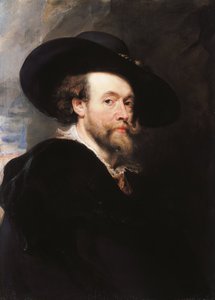
بيتر بول روبنز
1577 - 1640 , ألمانيا
حقائق سريعة
- Artistic Movement Or Style: باروكي
- Artists Or Movements Influenced By This Artist:
- أنتوني فان ديوك
- ياكو بوردجونس
- Artists Who Influenced This Artist:
- ميكائيل أنجيلوس
- رافائيل
- تيشان
- Date Of Birth: 28 يونيو 1577
- Date Of Death: 30 مايو 1640
- Full Name: بيتر بول روبنز
- Nationality: فلندي
- Notable Artworks:
- نزول المسيح من الصليب
- رفع الصلب
- Place Of Birth: زيغن، ألمانيا
مقالات ذات صلة

بول كلي: 25 تحفة فنية تعكس عبقرية اللون والشكل | AllPaintingsStore
اكتشف 25 تحفة فنية لبول كلي، رائد الفن التجريدي والسريالي. استكشف قصص لوحاته الملونة وتقنياته الفريدة على AllPaintingsStore.com. اشترِ إعادة إنتاج عالية الجودة وديكور منزلي فاخر.

The Grandeur of Baroque Portraiture: Power, Emotion & Artistic Innovation
Explore the grandeur of Baroque portraiture! Discover Rubens, Van Dyck & the masters of 17th-century art. Uncover symbolism, techniques & lasting influence. Expert insights for collectors and enthusiasts.
أعمال بول سيزان الخالدة: 25 تحفة فنية تزين منزلك بجمال الألوان والضوء
اكتشف 25 تحفة فنية لبول سيزان، رائد الانطباعية وما بعد الانطباعية. استكشف قصص لوحاته الزيتية الشهيرة وألوانه الجريئة وتقنياته الفريدة. احصل على إلهام لديكور منزلك الفاخر مع AllPaintingsStore.com.

Mastering Drama and Light: A Definitive Guide to the Flemish Baroque Art Movement
Explore the dramatic brilliance of the Flemish Baroque movement. Discover how masters like Peter Paul Rubens utilized chiaroscuro and dynamic composition to redefine art history through light, shadow, and unparalleled emotion.

Peter Paul Rubens: A Baroque Master's Life, Legacy & Enduring Influence
Discover the life & art of Peter Paul Rubens, the most influential artist of the Flemish Baroque tradition. Explore his masterpieces, legacy, and impact on art history with AllPaintingsStore.


