


 معاينة الحجم الواقعي
 إرسال
إرسال مشاركة
 عرض التفاصيل
 دليل الأعمال الفنية للطلاب

 تحميل
تحميل
 قطع مشابهة
 الأشعة السينية
 عرض شرائح متتابع
 Q&A
Q&A الإحصائيات
Profane Love (Vanity)


 اقرأ المزيد
طباعة جيلي / مطبوعات فنية
طباعة جيكلي أو كانفاس بجودة المتاحف، مع سرعة في التنفيذ وخيارات متنوعة للتشطيب. ( اطلب نسخة مرسومة يدويًا التحويل إلى الصورة الرقمية)




P118B E£10

P118H E£10

P118W E£10

P438Z E£10

P508JH E£12

P508YH E£12

P805H E£10

P805Z E£10

P919BZ E£10

P919G E£10

P919XJ E£10

P959ZH E£10

P968JZ E£12

W106C E£8

W218G E£10

W218JH E£8

W218Y E£10

W307PJ E£10

W316G E£10

W316PJ E£8

W316Y E£10

W398PJ E£8

W4111J E£10

W500HY E£15

W500JH E£15

W692G E£12

W849H E£8

W940BG E£15

W953PJ E£8




اختر من بين أحجامنا المُعدّة مسبقاً والتي تتوافق مع النسب الأصلية للعمل الفني.

أدخل العرض والارتفاع اللذين تحتاجهما، ليتناسب مع إطارك أو جدارك. يمكن قص المطبوعة فقط، ولا يمكن أبداً جعلها أكبر من الصورة الأصلية، لذا فإن أي مقاس بشكل مختلف سيؤدي إلى فقدان جزء من الصورة. سنرسل لك نموذجاً رقمياً تجريبياً لاعتماده قبل البدء في عملية الطباعة. الصورة المعروضة في هذه الصفحة لا توضح القص الفعلي — النموذج التجريبي فقط هو ما يظهر ذلك.
توصيل عالمي إلى خلال أسبوعين بدلاً من المدة القياسية البالغة 4/5 أسابيع. (31 أكتوبر)

شحن سريع ومجاني لجميع أنحاء العالم

قماش كتان فاخر

تأمين شامل على الشحن

ضمان استرداد الرسوم الجمركية

ضمان دقة مطابقة الألوان

سياسة الإرجاع خلال 100 يوم (في حالات العيوب فقط)

ضمان استرداد نقدي بنسبة 100%

عرض خصم الكميات
 خيار الزجاج متاح فقط للمقاسات التي تقل عن 110 سم

Profane Love (Vanity)
طباعة جيلي / مطبوعات فنية
مقاس النسخة المطبوعة
-


إجمالي السعر
E£ 3346
The Allure of the Unresolved: Titian's Masterpiece
Titian’s Sacred and Profane Love, painted in 1514 during the artist’s formative years, isn’t merely a portrait; it’s an invitation to a profound meditation on desire, mortality, and the very nature of love itself. Commissioned for the wedding celebration of Niccolò Aurelio, a secretary within Venice's powerful Council of Ten, the painting immediately captivated viewers with its arresting composition and enigmatic figures. Yet, beyond the initial visual impact lies a complex web of symbolism that has fueled centuries of debate among art historians – a testament to Titian’s genius and his willingness to challenge conventional representations.
The scene unfolds within a meticulously rendered Roman sarcophagus, transformed into an unexpected water trough. Two women, their identities deliberately obscured, occupy this liminal space, seemingly adrift between the earthly and the divine. One, draped in luxurious fabrics and adorned with jewels, embodies the sensual pleasures of worldly love – a vibrant celebration of beauty and indulgence. Her pose is relaxed, almost languid, suggesting an enjoyment of the present moment. The other woman, starkly nude and holding a torch, represents a more austere form of devotion, perhaps hinting at spiritual purity or even mourning. The contrast between these two figures immediately establishes a tension—a dialogue between earthly desires and higher aspirations.
A Symphony of Color and Technique
Titian’s mastery of color is instantly apparent in Sacred and Profane Love. He employs a rich, velvety palette – deep reds, blues, and greens – that imbues the scene with an almost palpable sense of warmth and luxury. His brushwork is loose and expressive, characteristic of his mature style, yet remarkably controlled, particularly in the rendering of the fabrics and the subtle gradations of light and shadow. The use of *sfumato*, a technique perfected by Titian himself, creates a hazy, atmospheric effect that softens the edges of the figures and blurs the boundaries between reality and illusion.
Technically, the painting demonstrates a shift in Titian’s approach. While earlier works showcased his meticulous detail and precise rendering, here we see a move towards greater spontaneity and emotional intensity. The background landscape—a dramatic vista of mountains, shepherds, and a distant church—is painted with broad, confident strokes, creating a sense of depth and perspective that anchors the figures within their environment. The inclusion of classical motifs – the sarcophagus, the Roman ruins – further reinforces the painting’s connection to Renaissance ideals of beauty, harmony, and intellectual inquiry.
Decoding the Symbols: A Layered Narrative
The symbolism embedded within Sacred and Profane Love is notoriously complex and open to interpretation. The sarcophagus itself—a symbol of death and transition—suggests a contemplation of mortality and the fleeting nature of earthly pleasures. The water flowing from the spout, nourishing a plant, could represent fertility, renewal, or even the cyclical nature of life and death. The cherubic figure swirling the water adds to this sense of mystery, hinting at divine intervention or perhaps simply the playful spirit of youth.
- The Women: Often interpreted as representing different aspects of love – earthly passion versus spiritual devotion.
- The Torch: Symbolizes enlightenment, guidance, and potentially a warning against worldly temptations.
- The Sarcophagus: Represents the passage from life to death, prompting reflection on mortality and legacy.
- The Landscape: A complex tapestry of classical and biblical imagery, suggesting themes of virtue, sin, and redemption.
Interestingly, the painting’s title itself—*Sacred and Profane Love*—is debated. Some scholars believe it reflects the dual nature of love as both a divine gift and a source of earthly desire. Others argue that it simply represents two different types of love – one based on physical attraction and the other on spiritual connection. The painting’s enduring appeal lies in its refusal to offer easy answers, inviting viewers to engage in their own interpretations.
A Timeless Reflection on Human Experience
Sacred and Profane Love remains a profoundly moving work of art, captivating audiences with its beauty, mystery, and emotional depth. It’s more than just a portrait; it's a meditation on the complexities of human experience—a reminder that love takes many forms and that even in moments of pleasure, we are inevitably confronted with the shadow of mortality. Its enduring power lies not only in Titian’s technical brilliance but also in his ability to capture the essence of our deepest desires and anxieties.
الأسئلة والأجوبة
ما هي الأسماء الأخرى التي يُعرف بها تيتشينو؟
تشمل الأسماء الأخرى المسجلة لـ تيتشينو، مبدع "Profane Love (Vanity)"، كلاً من تيزيانو فيتشيلّيو, تيتزانو فيسيلّيو.
هل تُحفظ قطعة "Profane Love (Vanity)" في البلد الذي ينتمي إليه مبتكرها؟
لا - العمل الفني محفوظ خارج البلاد. وُلد تيتشينو في إيطاليا، بينما تُحفظ اللوحة الأصلية "Profane Love (Vanity)" في متحف في Germany.
ما الشعور الذي يمنحه "Profane Love (Vanity)" كهدية؟
تتناغم النبرة Mysterious للوحة "Profane Love (Vanity)" للفنان تيتشينو مع مناسبة الإهداء المقترحة: Wedding.
أعمال فنية مشابهة


نبذة عن الفنان
تيتشانو فيتشيلّيو: رائد الألوان والضوء في عصر النهضة الفينيسية
يُعد تيتشانو فيتشيلّيو، المعروف عالميًا باسم تيتيان، أحد أعظم الشخصيات في عصر النهضة الإيطالية – ربما يكون أبرع مصور للألوان وأستاذ أرسى معايير جديدة لإمكانيات الرسم بالزيت. ولد حوالي عام 1490 في بيڤي دي كادوري، الواقعة وسط المناظر الطبيعية الدرامية لجبال الألب الفينيسية، فإن رحلته من بدايات متواضعة إلى الاعتراف الدولي هي شهادة على الموهبة الهائلة والتفاني الذي لا يتزعزع في الابتكار الفني. تفاصيل الحياة المبكرة لتيتيان لا تزال غامضة بعض الشيء، لكننا نعرف أنه كان أحد أطفال جريجوريو فيتشيلّيو، وهو رجل عسكري، وزوجته لوتشيا. إدراكًا منهم لإمكانات أبنائهم، رتبت العائلة لإرسال الشاب تيتيان وشقيقه فرانسيسكو للتدريب لدى فنان في البندقية – قرار غير مسار تاريخ الفن إلى الأبد.
كانت البندقية في مطلع القرن السادس عشر مركزًا نابضًا بالحياة للتجارة والثقافة والنشاط الفني. بدأ تدريب تيتيان الأولي في ورشة سيباستيانو زوكّاتو، وهو صانع فسيفساء، يليه فترات وجيزة تحت إشراف جيليتي بيليني، والأهم من ذلك، شقيقه جيوفاني. ومع ذلك، فإن ارتباطه بجورجوني – وهو رسام فنلندي آخر يتميز بعمله بجودة شعرية أثيرية – هو الذي أثبت أنه الأكثر تشكيلاً. تعاون الفنانان في عدة مشاريع، بما في ذلك الفسيفساء الخارجية لـ "فونداكو دي تيديشي"، وهي مركز تجاري نابض بالحياة للتجار الألمان. حتى في هذه الأعمال المبكرة، كان مظهر مهارة تيتيان الاستثنائية واضحًا، مما أكسبه اعترافًا بين معاصريه وأبشر بالإبداع الذي سيأتي.
تطور أسلوب الفنان الماهر
يمكن وصف التطور الفني لتيتيان بأنه تنوع ملحوظ واستكشاف مستمر لتقنيات الرسم. تعرض أعماله المبكرة، المتأثرة بشكل كبير بجورجوني، سحرًا رقيقًا واستخدامًا بارعًا للألوان لخلق تأثيرات جوية. تُظهر اللوحات مثل "رجل بأكمام منقوشة" (حوالي عام 1509) موهبته الناشئة في تصوير البالغين، فإنه يلتقط ليس فقط الشبه الجسدي لموضوعاته ولكن أيضًا شخصياتهم الداخلية. مع نضوج الفنان، بدأ تيتيان في الابتعاد عن النغمات الدقيقة لجورجوني واحتضان نهج أكثر جرأة ودرامية للألوان. يوضح "الزيارة المريمية" (الموجودة الآن في أكاديمية البندقية) هذا التحول، مع إظهار ثقته المتزايدة في التعامل مع التكوينات المعقدة والألوان النابضة بالحياة.
على مر حياته المهنية الطويلة، دفع تيتيان باستمرار حدود التعبير الفني. جرب ضربات فرشاة مختلفة – من الأسطح الممزوجة بسلاسة إلى علامات تعبيرية فضفاضة – وطور تقنية فريدة لترتيب الألوان لخلق تأثيرات مضيئة. أصبحت صورته مشهورة بعمقها النفسي وتصوير واقعي للأنسجة والأقمشة. في الوقت نفسه، تفوق في الموضوعات الأسطورية والدينية، ونفخ فيها حسًا دراميًا وكثافة عاطفية أسرت الجماهير. مثال رئيسي هو "فينوس من أوربينو"، وهي تحفة فنية أعادت تعريف تصوير العراة الأنثوية وأرست تيتيان كشخصية رائدة في الرسم الفينيسي.
الرعاية والتقدير والتأثير الدائم
جذبت موهبة تيتيان انتباه رعاة أقوياء من جميع أنحاء أوروبا. عمل كرسام رسمي للإمبراطور شارل الخامس، الملك فيليب الثاني ملك إسبانيا، وبابا بولس الثالث، من بين آخرين. لم يوفر له هذا الرعاية الأمن المالي فحسب، بل سمح له أيضًا بإنشاء أعمال ضخمة عرضت براعته الفنية على نطاق واسع. قدرته على تكييف أسلوبه مع أذواق المحاكم المختلفة مع الحفاظ على صوته المميز هي شهادة على مهاراته الاستثنائية ودبلوماسيته.
امتد تأثير أعمال تيتيان إلى ما بعد حياته، حيث ألهم الأجيال القادمة من الفنانين. لقد أثر استخدامه المبتكر للألوان وعمله الفضفاض وتركيزه على التقاط الجوهر العاطفي لموضوعاته بعمق على فنانين لا يحصى. من بيتر بول روبنز ورينبرانت إلى يوجين ديلاكروا وإدوارد ماني، استلهم العديد من الرسامين من أعماله الرئيسية. يُعتبر شخصية محورية في الانتقال من عصر النهضة العليا إلى الفترة الباروكية، ومهد الطريق لأنماط ومنهجيات فنية جديدة.
إرث دائم عبر القرون
توفي تيتيان في البندقية عام 1576، تاركًا وراءه عملًا استثنائيًا لا يزال يلهم الرهبة والإعجاب. يمكن العثور على لوحاته في المتاحف حول العالم، بما في ذلك معرض بالاتينا في فلورنسا ومعرض برادو في مدريد والمعرض الوطني في لندن. إن تجربة تيتيان هي مواجهة حرفي بارع في أوج قوته – رسام يمتلك قدرة لا مثيل لها على التقاط جمال ودراما وتعقيد الحالة الإنسانية.
استكشاف المزيد
- المتاحف والمجموعات: اكتشف أعمال تيتيان في "سكولا ديل سانتو" في بادوا وفي سان سلفادور في البندقية، وكلاهما يعرضان رسوماته الجدارية المذهلة.
- الفنانون ذوو الصلة: استكشف تأثير جورجوني على أسلوب تيتيان المبكر وتأثير تيتيان اللاحق على فنانين مثل روبنز وديلاكروا.
- السياق التاريخي: انغمس في عالم عصر النهضة الإيطالية والرسم الفينيسي لفهم إنجازات تيتيان الفنية بشكل كامل.
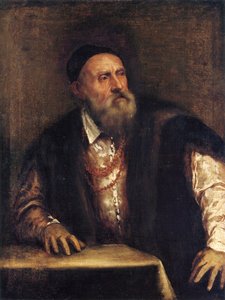
تيتشينو
1490 - 1576 , إيطاليا
لمحة سريعة
- أعمال فنية بارزة:
- رجل بياقة مبطنة
- زيارة مريم وإليزابيث
- فينوس من أوربينو
- الاسم الكامل: تيتشانو فيسيليو (تيتيان)
- الجنسية: إيطالي
- الحركة الفنية: الرنسانس الفينيسي
- تاريخ الميلاد: حوالي 1488/1490
- حركات أو فنانون تأثروا به:
- الفنانون الغربيون
- الرنسانس الإيطالي المتأخر
- فنانون مؤثرون:
- جيوفاني بليني
- جورجوني
- مكان الميلاد: بييڤي دي كادوري، إيطاليا
مقالات ذات صلة

Titian: Innovation, Technique & the Venetian Renaissance Portrait Tradition
Explore the revolutionary techniques & enduring legacy of Titian, the master of Venetian Renaissance portraiture. Discover insights for collectors & appreciate his impact on art history.

The Enduring Motif of Love in Art History: A Cross-Cultural Exploration of Representation and Emotion
Explore the rich history of love in art! Discover iconic masterpieces, artistic techniques & cultural symbolism from antiquity to modern times. Expert analysis for collectors.

Romantic Masterpieces: 10 Artworks to Stir Your Soul |
Fall in love with art! Explore 10 iconic romantic paintings – from Renaissance classics to Impressionist masterpieces. Discover the stories behind artists like Monet & Klimt, and find museum-quality reproductions for your home at .

أروع 25 تحفة فنية في المعرض الوطني بلندن | لوحات زيتية فاخرة لديكور منزلك
اكتشف أروع 25 لوحة زيتية في المعرض الوطني بلندن! قصص فنانين عظماء مثل مونيت وفان جوخ، وألوان انطباعية آسرة. احصل على نسخ فاخرة لديكور منزلك. استكشف المجموعة الكاملة الآن على AllPaintingsStore.com

أروع 25 تحفة فنية في معرض ناسيونال غاليري بواشنطن | لوحات شهيرة وديكور فاخر
اكتشف أروع 25 لوحة فنية في معرض ناسيونال غاليري بواشنطن! رحلة عبر روائع سيزان، ماتيس، وبيكاسو. قصص ملهمة وتقنيات فنية فريدة. احصل على نسخ عالية الجودة لديكور منزلك الفاخر على AllPaintingsStore.com


