


 معاينة الحجم الحقيقي
 مشاركة
 مشاركة
 التفاصيل
 الدليل

 تحميل الملف
 قطع مشابهة
 الأشعة السينية
 عرض شرائح
 الإحصائيات
Landscape with Houses among Trees and a Figure


 عرض المزيد
نسخة زيتية مصنوعة يدوياً
لوحة زيتية مرسومة يدوياً على الكانفاس بالمقاس والإطار الذي تفضله، تُنفذ حسب الطلب على أيدي فنانينا. ( التحويل إلى المطبوعات الانتقال إلى الصورة الرقمية)




P118B $10

P118H $10

P118W $10

P438Z $10

P508JH $12

P508YH $12

P805H $10

P805Z $10

P919BZ $10

P919G $10

P919XJ $10

P959ZH $10

P968JZ $12

W106C $8

W218G $10

W218JH $8

W218Y $10

W307PJ $10

W316G $10

W316PJ $8

W316Y $10

W398PJ $8

W4111J $10

W500HY $15

W500JH $15

W692G $12

W849H $8

W940BG $15

W953PJ $8




اختر من بين أحجامنا المُعدّة مسبقًا والتي تتطابق مع النسب الأصلية للعمل الفني.

يمكنك إدخال أبعادك الخاصة لتناسب إطارًا معينًا أو مساحة محددة. وإذا لم يتطابق الحجم الذي اخترته مع نسب الصورة الأصلية، فسنقوم إما بقص العمل الفني أو توسيع اللوحة بإضافة عناصر مرسومة يدويًا. سيتم إرسال نموذج رقمي إليك للموافقة عليه قبل بدء الإنتاج.
يرجى ملاحظة أن المعاينة على الشاشة لا تعكس عملية القص أو التوسيع الفعلية؛ حيث إن النموذج الرقمي وحده هو الذي سيوضح التكوين النهائي بدقة.
وعلى الرغم من توفر أحجام مخصصة، إلا أننا نوصي باختيار أبعاد من القائمة المحددة مسبقًا للحفاظ على النسب الأصلية للعمل الفني.
بعد إتمام الطلب، سيرسل فريق AllPaintingsStore.com بريداً إلكترونياً للعميل لطلب التعليمات وتزويده بمعاينة تجريبية (mockup).
توصيل عالمي إلى خلال 3 إلى 4 أسابيع بدلاً من المدة المعتادة البالغة 5 أسابيع. (21 سبتمبر). جودة لا تهاون فيها.

شحن سريع ومجاني لجميع أنحاء العالم

قماش كتان عالي الجودة

تأمين شحن شامل

ضمان استرداد الرسوم الجمركية

ضمان مطابقة الألوان الحقيقية

سياسة الإرجاع خلال 100 يوم (في حالات العيوب فقط)

ضمان استرداد نقدي بنسبة 100%

خصم عند طلب عدة قطع
 خيار الزجاج متاح فقط للمقاسات التي تقل عن 110 سم

Landscape with Houses among Trees and a Figure
خامة إعادة الإنتاج
مقاس النسخة المطبوعة
-


السعر الإجمالي النهائي
$ 258
A Glimpse into Van Gogh’s Late Period: Landscape with Houses Among Trees and a Figure
Vincent van Gogh's “Landscape with Houses among Trees and a Figure” offers a poignant window into the artistic evolution of the artist during his final months. Created in 1890 using charcoal, this piece transcends a simple depiction of rural scenery; it embodies Van Gogh’s profound connection to nature and his introspective exploration of human existence. The artwork’s understated palette and expressive linework reveal a shift from his vibrant color experiments towards a more contemplative style – a deliberate move away from the bold hues that had characterized much of his earlier work, suggesting a deepening focus on texture, light, and emotional resonance.
Understanding the Artist's Vision
This charcoal drawing isn’t merely a representation of a landscape; it’s an embodiment of Van Gogh’s internal state. The placement of two modest houses nestled amongst trees, punctuated by a solitary figure standing in the foreground, speaks to a complex interplay of themes. These recurring elements – the humble dwellings and the lone individual – frequently appear throughout Van Gogh's oeuvre, serving as potent symbols of humanity’s relationship with nature and our yearning for connection within it. The figure’s position invites viewers to contemplate their own place within this expansive scene, fostering a sense of quiet contemplation and perhaps even a touch of melancholy. It’s a deliberate choice by the artist to move beyond purely observational representation and delve into the emotional landscape he perceived.
Techniques and Style: Charcoal's Expressive Power
“Landscape with Houses among Trees and a Figure” showcases Van Gogh’s masterful command of charcoal as a medium. Unlike oil paints, which allow for layering and blending to create smooth transitions, charcoal demands immediacy and directness. The artist utilized the material to achieve remarkable depth and texture through varying degrees of pressure and shading – a technique that results in a palpable sense of physicality. Notice how the swirling lines define the trees, conveying movement and vitality while simultaneously contributing to an overall feeling of unrest. This deliberate use of line reflects Post-Impressionist principles, prioritizing emotional expression over strict realism. As discussed in “Light in Painting,” Van Gogh was a master of capturing the essence of light, not merely its visual appearance, and this charcoal drawing exemplifies his ability to translate that understanding into a tactile and emotionally resonant image. The thick application of charcoal – an impasto technique – further enhances the textural quality, adding weight and drama to the scene.
Historical Context: Auvers-sur-Oise and Van Gogh's Final Days
Created during Van Gogh’s stay in Auvers-sur-Oise, France, in the summer of 1890, this drawing provides a valuable insight into a pivotal period in his life. He was under the care of Dr. Paul Gachet at the time, and while he experienced moments of clarity and artistic productivity, he also battled persistent depression. The landscape surrounding Auvers-on-the-Seine deeply resonated with Van Gogh, inspiring numerous works that captured its rustic charm and quiet beauty. This particular piece reflects a sense of observation – perhaps indicative of his internal struggles and search for solace in the natural world. It’s a moment frozen in time, offering a glimpse into an artist grappling with profound emotions amidst the serene backdrop of rural France.
Symbolism and Emotional Impact
Beyond its aesthetic appeal, “Landscape with Houses among Trees and a Figure” carries profound symbolic weight. The solitary figure can be interpreted as representing humanity’s place within the vastness of nature – a symbol of both connection and isolation. The houses nestled amongst the trees suggest a yearning for stability and belonging, while the swirling lines evoke a sense of underlying turmoil. Ultimately, this artwork resonates with viewers on an emotional level, prompting reflection on themes of solitude, contemplation, and the enduring power of the human spirit. It’s a reminder that even in moments of quiet observation, there can be a deep wellspring of emotion waiting to be explored.
- Visit AllPaintingsStore.com to explore more of Vincent van Gogh’s work, including Olivlund, F.586, JH Göteborgs and Roses sauvages.
- Learn more about the artist's style and techniques at The Starry Night page on Wikipedia.
The Museum of Modern Art in New York City is home to many famous works by Vincent van Gogh, including “The Starry Night.” Visit their website to learn more about the artist and his work. Photo Description: --Overall Impression-- The artwork is a black and white landscape painting in the style of Vincent van Gogh, characterized by expressive brushstrokes and a somewhat chaotic composition. It depicts a rural scene with rolling hills, trees, a small house, and a solitary figure standing in the foreground. The perspective is slightly distorted, creating a sense of depth but also contributing to the overall feeling of movement and unrest. Lines are thick and swirling, defining the forms of the landscape and figures with energetic, almost frenetic strokes. Shapes are largely organic and abstracted, prioritizing emotional expression over realistic representation. Texture is heavily emphasized through the layering of paint, giving the impression of a rough, tactile surface. Lighting appears to be diffuse, lacking strong highlights or shadows, contributing to the somber mood. The subject matter focuses on nature and human presence within it, suggesting themes of solitude, contemplation, and perhaps a yearning for connection with the natural world. Symbolically, the lone figure could represent humanity’s place in the vastness of nature – a symbol of both connection and isolation. The composition is unbalanced, with a strong emphasis on the left side of the image. There’s a sense of movement throughout the scene due to the dynamic brushwork. -- Size: Unknown Date: 1890
أعمال فنية ذات صلة


السيرة الذاتية للفنان
فينسنت فان جوخ: حياة ملونة بشغف
فينسنت ويليم فان جوخ، اسم يتردد صداه مع الألوان الزاهية والعواطف الجياشة، يظل أحد أبرز الشخصيات وأكثرها حباً في تاريخ الفن. ولد في 30 مارس 1853 بمدينة زونديرت بهولندا، رحلته من شاب مضطرب يسعى إلى هدف إلى رؤيوي فني هي قصة مؤثرة عن التفاني والصراع والإرث الدائم. على الرغم من أنه لم يحقق نجاحاً تجارياً كبيراً خلال حياته – حيث باع لوحة واحدة فقط، *الحقل الأحمر*، قبل وفاته – فإن تأثير فان جوخ على الفن الحديث لا يضاهى، فقد مهد الطريق للتعبيرية وأثر في عدد لا يحصى من الفنانين الذين سلكوا طريقه. قصته ليست مجرد ضربات فرشاة ولوحات؛ إنها شهادة على قوة التعبير البشري في مواجهة الشدائد.سنواته الأولى وتوقظه الفني
تميزت حياة فان جوخ المبكرة بسلسلة من الطموحات غير المحققة. جرب يده في مهن مختلفة – تاجر أعمال فنية، ومعلم، وحتى خادم إرسالي – قبل أن يتكريس أخيراً للرسم في سن متأخرة نسبياً تبلغ 27 عاماً. شكلت هذه التجارب السابقة وجهة نظره بعمق ووجدت طريقها إلى فنه. تعكس أعماله الأولية، التي تصور مشاهد من الحياة الريفية في بلجيكا الريفية، تعاطفاً عميقاً مع الطبقة العاملة ولوحة ألوان قاتمة تعكس صعوباتهم. تأثر فان جوخ بفنانين مثل جان فرانسوا ميليت، وسعى إلى التقاط كرامة ومرونة هؤلاء الأفراد من خلال الواقعية الصارخة. ومع ذلك، كان انتقاله إلى باريس عام 1886 بمثابة نقطة تحول حقيقية. هناك، اكتشف الانطباعية وما بعد الانطباعية، واستوعب تقنيات أساتذة مثل كلود مونيه وأوجين رينوار وكاميل بيسارو. وسّع هذا التعرض آفاقه الفنية، مما أدى به إلى تجربة ألوان أكثر إشراقاً وتقنيات فرشاة أكثر سلاسة، مع الحفاظ على كثافة عاطفية متميزة غائبة في العديد من أعمال معاصريه. لعب شقيقه ثيو، وهو تاجر أعمال فنية، دوراً حاسماً خلال هذه الفترة، حيث قدم الدعم المالي وعمل كوسيط حيوي للعالم الفني الباريسي. كانت مراسلتهما المطولة تقدم رؤى لا تقدر بثمن حول تطور فان جوخ الفني وصراعاته الشخصية.الضوء الجنوبي وإبداع متفجر
باحثاً عن منظر طبيعي أكثر حيوية وشعور بالانتعاش، انتقل فان جوخ إلى أرليس في جنوب فرنسا عام 1888. لقد marcó فترة من الإنتاج الإبداعي المكثف، والتي تتميز بانفجار الألوان وتقنية impasto المميزة – تطبيق الطلاء بسماكة على القماش، مما يخلق سطحاً محكم الملمس يبدو أنه ينبض بالطاقة. هنا أنتج بعض أعماله الأكثر شهرة: *عباد الشمس*، و *المقهى الليلي*، و *نجمة الليل*. بدت أشعة الشمس الشديدة في بروفانس وكأنها أشعلت خياله، مما أدى به إلى تصوير المناظر الطبيعية والأعمال الفنية الميتة بألوان غير مسبوقة. دفعه رغبته في التعاون الفني إلى دعوة بول جوجان للانضمام إليه في أرليس، على أمل إنشاء مستعمرة فنانين مثالية. ومع ذلك، أثبتت علاقتهما أنها متقلبة، مما بلغت ذروتها بمواجهة درامية أدت إلى تشويه فان جوخ لأذنيه. سلط هذا الحدث الضوء على هشاشة حالته العقلية وأعلن بداية فترة من المؤسسة والسعي وراء المعاناة النفسية المتزايدة.سنواته الأخيرة وإرثه الدائم
بعد انهياره، دخل فان جوخ طواعية مصحاً للأمراض العقلية في سان ريمي، حيث استمر في الرسم بإنتاجية كبيرة، والتقاط المناظر الطبيعية المحيطة بكل من الجمال والاضطراب. الأعمال مثل *نجمة الليل*، التي رسمت خلال هذا الوقت، تنبض بإحساس بالعجب الكوني وعمق عاطفي عميق. انتقل لاحقاً إلى أوفر سورواز تحت رعاية الدكتور بول غاشيه، لكن صراعاته استمرت. في 29 يوليو 1890، توفي فان جوخ بشكل مأساوي نتيجة لإطلاق نار على نفسه عن عمر يناهز 37 عاماً. على الرغم من أنه لم يحظ بتقدير كبير خلال حياته، بدأت أعماله في الحصول على اعتراف بعد وفاته بفضل جهود زوجته الشابة، يوهانا فان جوخ-بونجر، التي ورثت ممتلكاته وأصرت على الترويج لفنه. اليوم، يتم الاحتفال بلوحات فان جوخ في جميع أنحاء العالم لكثافتها العاطفية وتقنياتها المبتكرة وجمالها الدائم. يتجاوز إرثه اللوحة؛ أصبح رمزاً للشغف الفني والمثابرة في مواجهة الشدائد وقوة الفن للتعبير عن أعمق المشاعر الإنسانية.التأثيرات الرئيسية والتطور الفني
- الواقعية المبكرة: أثرت تصويرات جان فرانسوا ميليت لحياة الفلاحين على أعمال فان جوخ الأولى.
- الانطباعية وما بعد الانطباعية: وسّع التعرض لمونت رينوار وبيسارو لوحته وتقنياته في باريس.
- الطباعة اليابانية: تأثر فان جوخ بعمق بالطباعة الخشبية اليابانية، التي جمعها بشغف. أثرت تركيباتها الجريئة ومستوياتها اللونية المسطحة على أسلوبه الخاص.
- التعبير العاطفي: سعى فان جوخ فوق كل شيء إلى نقل المشاعر من خلال فنه، مع إعطاء الأولوية للتجربة الذاتية على التمثيل الموضوعي. أصبح هذا التركيز على الكثافة العاطفية سمة مميزة لعمله ومهد الطريق للتعبيرية.
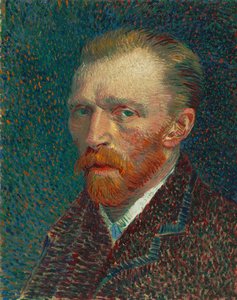
فنسنت فان جوخ
1853 - 1890 , هولندا
حقائق سريعة
- أعمال فنية بارزة:
- عباد الشمس
- ليلة النجوم
- آكلو البطاطس
- صورة سيلفستري
- الاسم الكامل: فينسنت ويليم فان جوخ
- الجنسية: هولندي
- الحركات الفنية المتأثرة:
- التعبيرية
- الفوفية
- الحركة الفنية: ما بعد الانطباعية
- الفنانون المؤثرون:
- ريمبرانت فان رين
- جان فرانسوا مييه
- تاريخ الميلاد: 30 مارس 1853
- مكان الميلاد: زونديرت، هولندا
مقالات ذات صلة
أعمال ريمبراند فان راين الخالدة: 25 تحفة فنية آسرة لديكور منزلك
اكتشف 25 تحفة فنية لريمبراند فان راين، رائد العصر الذهبي الهولندي. استكشف قصص لوحاته الشهيرة وتقنيات الرسم المذهلة. احصل على إعادة إنتاج عالية الجودة لديكور منزلك الفاخر على AllPaintingsStore.com

Decoding Van Gogh's Turmoil: AllPaintingsStore’s Masterful Reproductions of Emotional Depth
Discover exquisite Van Gogh reproductions from AllPaintingsStore – expert art specialists offering museum-quality prints & custom paintings. Trust our authentic process and elevate your collection today.

Arboreal Echoes: A Historical & Artistic Exploration of Trees in Painting
Explore the rich history of trees in painting! Discover symbolism, Romantic masterpieces by Caspar David Friedrich & beyond. A curated journey for art enthusiasts.
أعلى 10 روائع حددت مدرسة ما بعد الانطباعية: رحلة فنية راقية
اكتشف روائع ما بعد الانطباعية! استكشف 10 لوحات خالدة لفنانين كبار مثل فان جوخ وغوغان. تعرف على تاريخ الفن، أساليبه الفريدة، وجمال الألوان. احصل على إعادة إنتاج فنية عالية الجودة من AllPaintingsStore.com. استكشف المجموعة الكاملة عبر الإنترنت!

Beyond the Surface: The Raw Power and Texture of Van Gogh's Impasto Brushstrokes
Explore the visceral power of Van Gogh's impasto technique. Discover how his thick, sculptural brushstrokes transform emotion into texture, creating a tactile legacy that continues to inspire modern collectors and fine art enthusiasts worldwide.


