ضمان استرداد الأموال خلال ١٠٠ يوم شحن مجاني حول العالم
449582الأعمال الفنية 30618الفنانون 4705المتاحف 32اللغات
العملة
    اللغة
      أتيليه · تأسست عام ٢٠١٥ · باريس، فرنسا
      AllPaintingsStore
      allpaintingsstore.com
      معاينة الحجم الواقعي معاينة بالواقع المعزز التبديل إلى المطبوعات التحويل إلى الصورة الرقمية إرسال
      عرض التفاصيل دليل الأعمال الفنية للطلاب أضف إلى المفضلة تحميل قطع مشابهة الأشعة السينية عرض شرائح متتابع الإحصائيات

      Melancholy

      Explore William Blake’s haunting ‘Melancholy,’ a mesmerizing depiction of Mary Magdalene surrounded by angelic figures and celestial landscapes—a cornerstone of Romantic art capturing profound spiritual contemplation and ethereal beauty. Discover this exquisite hand-painted reproduction.

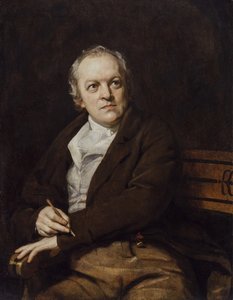
      ويليام بليك، شاعر ورسام وفنان طباعة إنجليزي رائد في عصر الرومانسية. اشتهر بأعماله "أغاني البراءة والخبرة" و"الزواج من السماء والجحيم". استكشف عالمه الخيالي المليء بالرموز والألوان الزاهية، وتأثيره الدائم على الفن والشعر.

      نسخة زيتية مصنوعة يدوياً

      لوحة زيتية مرسومة يدوياً على الكانفاس بالمقاس والإطار الذي تفضله، تُنفذ حسب الطلب على أيدي فنانينا. ( التبديل إلى المطبوعات التحويل إلى الصورة الرقمية)

      Corner sample of the P118B picture frame: moulded polystyrene, 5 cm wide and 3 cm thick
      P118B 10
      Corner sample of the P118H picture frame: moulded polystyrene, 5 cm wide and 3 cm thick
      P118H 10
      Corner sample of the P118W picture frame: moulded polystyrene, 5 cm wide and 3 cm thick
      P118W 10
      Corner sample of the P438Z picture frame: moulded polystyrene, 5.5 cm wide and 3.5 cm thick
      P438Z 10
      Corner sample of the P508JH picture frame: moulded polystyrene, 7 cm wide and 3.5 cm thick
      P508JH 12
      Corner sample of the P508YH picture frame: moulded polystyrene, 7 cm wide and 3.5 cm thick
      P508YH 12
      Corner sample of the P805H picture frame: moulded polystyrene, 5 cm wide and 3.5 cm thick
      P805H 10
      Corner sample of the P805Z picture frame: moulded polystyrene, 5 cm wide and 3.5 cm thick
      P805Z 10
      Corner sample of the P919BZ picture frame: moulded polystyrene, 7 cm wide and 3.5 cm thick
      P919BZ 10
      Corner sample of the P919G picture frame: moulded polystyrene, 7 cm wide and 3.5 cm thick
      P919G 10
      Corner sample of the P919XJ picture frame: moulded polystyrene, 7 cm wide and 3.5 cm thick
      P919XJ 10
      Corner sample of the P959ZH picture frame: moulded polystyrene, 5 cm wide and 3 cm thick
      P959ZH 10
      Corner sample of the P968JZ picture frame: moulded polystyrene, 6 cm wide and 4 cm thick
      P968JZ 12
      Corner sample of the W106C picture frame: solid wood, 5 cm wide and 3 cm thick
      W106C 8
      Corner sample of the W218G picture frame: solid wood, 5 cm wide and 3 cm thick
      W218G 10
      Corner sample of the W218JH picture frame: solid wood, 5 cm wide and 3 cm thick
      W218JH 8
      Corner sample of the W218Y picture frame: solid wood, 5 cm wide and 3 cm thick
      W218Y 10
      Corner sample of the W307PJ picture frame: solid wood, 6 cm wide and 3 cm thick
      W307PJ 10
      Corner sample of the W316G picture frame: solid wood, 6 cm wide and 3 cm thick
      W316G 10
      Corner sample of the W316PJ picture frame: solid wood, 6 cm wide and 3 cm thick
      W316PJ 8
      Corner sample of the W316Y picture frame: solid wood, 6 cm wide and 3 cm thick
      W316Y 10
      Corner sample of the W398PJ picture frame: solid wood, 5 cm wide and 3 cm thick
      W398PJ 8
      Corner sample of the W4111J picture frame: solid wood, 6.5 cm wide and 3.5 cm thick
      W4111J 10
      Corner sample of the W500HY picture frame: solid wood, 7 cm wide and 5 cm thick
      W500HY 15
      Corner sample of the W500JH picture frame: solid wood, 7 cm wide and 5 cm thick
      W500JH 15
      Corner sample of the W692G picture frame: solid wood, 8 cm wide and 4 cm thick
      W692G 12
      Corner sample of the W849H picture frame: solid wood, 5 cm wide and 3 cm thick
      W849H 8
      Corner sample of the W940BG picture frame: solid wood, 7.5 cm wide and 4.5 cm thick
      W940BG 15
      Corner sample of the W953PJ picture frame: solid wood, 6 cm wide and 3.5 cm thick
      W953PJ 8

      مقاس قياسي
      مخصص
      CM
      INCH

      اختر من بين أحجامنا المُعدّة مسبقاً والتي تتوافق مع النسب الأصلية للعمل الفني.

      العرض
      الارتفاع

      يمكنك إدخال أبعاد خاصة لتناسب إطاراً أو مساحة معينة. وفي حال عدم تطابق الحجم المختار مع نسب الصورة الأصلية، سنقوم إما بقص العمل الفني أو توسيع اللوحة عبر إضافة عناصر مرسومة يدوياً. وسيتم إرسال نموذج رقمي إليك للموافقة عليه قبل بدء عملية الإنتاج.
      يرجى ملاحظة أن المعاينة على الشاشة لا تعكس عملية القص أو التوسيع الفعلية؛ إذ إن النموذج الرقمي هو الوحيد الذي يوضح التكوين النهائي بدقة.
      وعلى الرغم من توفر أحجام مخصصة، إلا أننا نوصي باختيار أبعاد من القائمة المحددة مسبقاً للحفاظ على النسب الأصلية للعمل الفني.

      أمثلة على التعديلات الممكنة: استبدال الوجه بصورة العميل؛ إضافة حيوان أليف (مثل استبدال قطة بكلب)؛ تضمين رسالة مخفية في الخلفية؛ تغيير المناظر الطبيعية أو العناصر في الخلفية.
      بعد إتمام الطلب، سيرسل فريق AllPaintingsStore.com بريداً إلكترونياً للعميل لطلب التعليمات وتزويده بمعاينة تجريبية (mockup).

      توصيل عالمي إلى خلال 3 إلى 4 أسابيع بدلاً من المدة المعتادة البالغة 5 أسابيع. (11 أكتوبر). جودة لا تهاون فيها.

      شحن سريع ومجاني لجميع أنحاء العالم
      قماش كتان فاخر
      تأمين شامل على الشحن
      ضمان استرداد الرسوم الجمركية
      ضمان دقة مطابقة الألوان
      سياسة الإرجاع خلال 100 يوم (في حالات العيوب فقط)
      ضمان استرداد نقدي بنسبة 100%
      عرض خصم الكميات

      إجمالي السعر

      E£ 13245

      Melancholy

      وسيط إعادة الإنتاج

      مقاس النسخة المطبوعة

      -

      إجمالي السعر

      E£ 13245

      حقائق سريعة

      • Movement: Romanticism
      • Title: Melancholy
      • Notable elements or techniques: Engraving, Symbolism
      • Year: 1820
      • Influences:
        • Medieval Art
        • Christian Mythology
      • Artist: William Blake
      • Location: Private Collection

      اختبار المعلومات الفنية

      لكل سؤال إجابة صحيحة واحدة فقط.

      سؤال 1:
      Who is the central figure in the painting 'Melancholy' likely to be?
      سؤال 2:
      What primary techniques did William Blake use to create this artwork?
      سؤال 3:
      Around which year was 'Melancholy' created?
      سؤال 4:
      What elements form the backdrop of the scene in the painting?
      سؤال 5:
      Which artistic era is associated with this artwork?

      A Visionary Descent into Sorrow and Spirit

      In the hauntingly beautiful Melancholy, attributed to the visionary English master William Blake, we are invited to step beyond the veil of the material world and into a realm where the boundaries between the human soul and the divine are perpetually thin. Created around 1820, this profound meditation on sorrow and faith serves as a breathtaking testament to the Romantic spirit. At its heart, the composition centers upon a woman—often identified as Mary Magdalene—whose presence anchors a celestial tableau of quiet contemplation. Surrounded by figures that suggest both angelic beings and mortal observers, the scene unfolds against a backdrop of lush, ethereal foliage and shimmering stars, establishing an atmosphere where the serenity of the heavens meets the palpable weight of human sadness.

      The emotional resonance of this piece lies in its ability to find sublime beauty within suffering. Blake directs the viewer's gaze upward, utilizing a masterful arrangement of figures to emphasize a spiritual dimension that transcends earthly grief. There is a delicate balance achieved here; despite the pervasive sense of introspection and melancholy conveyed through the subjects' expressions, the composition maintains a celestial harmony. For the collector or the interior designer, this artwork offers more than mere decoration; it provides a window into a cosmic architecture of symbols, making it a profound focal point for spaces dedicated to reflection, peace, and deep intellectual engagement.

      The Alchemy of Etching and Watercolor

      Technically, Melancholy represents the revolutionary spirit of Blake’s approach to printmaking and painting. The work is characterized by a unique dual-medium technique, where the structural precision of etching meets the atmospheric fluidity of watercolor washes. This method allows for an extraordinary textural depth and luminosity that is rare in the works of his era. The intricate, fine linework of the etching provides a rigorous framework, capturing the delicate details of the celestial figures and the organic textures of the surrounding nature. Over this, Blake applied subtle gradations of watercolor, imbuing the scene with a soft, glowing light that seems to emanate from within the paper itself.

      This interplay of sharp detail and ethereal color creates a sense of movement and life, as if the stars themselves are pulsing with a quiet energy. The way the light interacts with the translucent washes allows for a dreamlike quality, essential for capturing the "prophetic" nature of Blake's vision. To possess a high-quality reproduction of such a piece is to bring this luminous, textured complexity into one's own environment, allowing the subtle shifts in color and the precision of the line to captivate the eye through every change in light throughout the day.

      A Romantic Echo of the Infinite

      Emerging from the height of the Romantic era, Melancholy stands as a reaction against the rigid rationalism of the Enlightenment, favoring instead the power of imagination and the intensity of emotion. Blake, working in London, was a man who saw through the industrial soot of his age to witness the whispers of angels and the raw pulse of existence. This painting is a quintessential example of that vision—a landscape where the physical and spiritual realms dissolve into one another. The symbolism of the celestial bodies and the divine figures serves as a reminder of the eternal struggle between innocence and experience, a theme that remains strikingly modern in its clarity.

      For those seeking to curate an environment of depth and narrative, this artwork offers an unparalleled opportunity. It is a piece that demands a second, third, and fourth look, revealing new layers of symbolic meaning with every encounter. Whether placed in a private study or a grand living space, Melancholy acts as a silent interlocutor, prompting the viewer to contemplate the profound beauty found in the most tender and sorrowful corners of the human experience.

      الأسئلة والأجوبة

      كم كان عمر ويليام بليك عندما أُبدع العمل "Melancholy"؟

      عندما أُبدع العمل "Melancholy" في عام 1820، كان عمر الفنان ويليام بليك - المولود في 1757 - هو 63 عاماً.

      هل العمل "Melancholy" خالٍ من حقوق الطبع والنشر؟

      فيما يتعلق بحقوق الطبع والنشر، فإن "Melancholy" تندرج ضمن ملك عام - انتهت مدة حماية حقوق الطبع والنشر الخاصة به.

      هل يمكنني معاينة "Melancholy" للفنان ويليام بليك قبل الطلب؟

      تتيح لك صفحة معاينة الخاصة بـ "Melancholy" معاينة العمل الفني قبل الطلب.

      ما هو اللون الطاغي الذي ينساب عبر "Melancholy" للفنان ويليام بليك؟

      اللون السائد في "Melancholy" للفنان ويليام بليك هو Golden Yellow Range. ويمثل هذا اللون النغمة الأساسية لمجموعة الألوان المستخدمة.

      هل العمل "Melancholy" للفنان ويليام بليك ضمن الملكية العامة، ولماذا؟

      تُعد لوحة "Melancholy" للفنان ويليام بليك من الأعمال التي تندرج ضمن ملك عام - انتهت مدة حماية حقوق الطبع والنشر الخاصة به. تُحتسب مدة حقوق الطبع والنشر بدءاً من تاريخ وفاة الفنان، وقد توفي ويليام بليك في عام 1827.

      إلى أي فنان يُنسب العمل "Melancholy"؟

      الفنان الذي أبدع عمل "Melancholy" هو ويليام بليك. العمل مُدرج تحت اسم ويليام بليك.

      ما هو تاريخ إبداع "Melancholy" للفنان ويليام بليك؟

      يعود تاريخ إبداع "Melancholy" للفنان ويليام بليك إلى عام 1820.


      نبذة عن الفنان

      رحلة في عالم الرؤى: حياة وفن ويليام بليك

      في قلب لندن النابض، وفي خضم تحولات إنجلترا العميقة خلال الحقبة الرومانسية، بزغ نجم ويليام بليك (1757-1827)، فنان وشاعر ورسام حفر اسمه بأحرف من نور في سجلات التاريخ. لم يكن بليك مجرد مبدع، بل كان رمزًا للتمرد على القيود التقليدية، ومدافعًا شرسًا عن قوة الخيال المطلقة. نشأ بليك في أسرة متواضعة، لكنه سرعان ما أظهر موهبة فنية استثنائية، مما دفعه إلى الانخراط في عالم النقش والتصوير. لم يكتفِ بتقليد الأساليب السائدة، بل سعى إلى تطوير تقنياته الخاصة، ليُطلق العنان لرؤيته الفريدة التي طالما أزعجت الآخرين وأدهشتهم في آن واحد.

      عالم "الإضاءة": التقنية والابتكار

      لم تقتصر ثورة بليك الفنية على اختيار الموضوعات فحسب، بل امتدت إلى الطريقة التي كان يخلق بها أعماله. لم يرضَ بالأساليب التقليدية للنقش، بل ابتكر عملية فريدة أطلق عليها اسم "الإضاءة". تتضمن هذه التقنية نقش النصوص والرسومات على ألواح نحاسية، ثم تلوينها يدويًا، مما يمنحه سيطرة كاملة على كل تفصيلة. لم يكن هذا مجرد إضافة للرسم إلى الشعر، بل كان اندماجًا فنيًا متكاملًا، حيث يعزز كل عنصر معنى الآخر. كما طور تقنية النقش البارزة، التي منحت أعماله ملمسًا فريدًا وحرية أكبر في التعبير عن رؤيته. لم يقتصر بليك على النقش فحسب، بل استخدم أيضًا الألوان المائية والدهانات الزيتية، ليجسد مشاهد دينية أو خيالية تنبض بالرمزية العميقة. كان يتميز برفضه المتعمد للمنظور الخطي التقليدي، مفضلًا تمثيلًا رمزيًا وعاطفيًا يغرق المشاهد في عالم رؤياه الساحر.

      مواضيع البراءة والخبرة والتمرد

      تكمن جوهر أعمال بليك الفنية في استكشاف مواضيع عميقة: الثنائية بين البراءة والخبرة، والصراع بين عقلانية العقل وقوة الخيال الخلاقة، والنقد اللاذع للأعراف الاجتماعية.
      • أغاني البراءة والخبرة (1794)، ربما أشهر أعماله، يقدم رؤية متباينة للطفولة - إحداهما مثالية ونقية، والأخرى مليئة بالصعاب والفساد.
      • زواج السماء والجحيم (1793) هو قصيدة نثر استفزازية تتحدى الأخلاق التقليدية، تحتفي بالطاقة والرغبة والتمرد على العقائد المقيدة.
      • رسوماته لـ الكوميديا الإلهية لدانتي تظهر رؤيته الدرامية وقدرته على ترجمة السرديات المعقدة إلى صور بصرية قوية.
      رمزية بليك مكثفة وشخصية، لكنها تحمل صدى عالميًا. يجسد النمر في قصيدته الشهيرة الجمال المذهل والقوة المرعبة للإبداع. "أورشليم"، وهي ملحمة شعرية واسعة النطاق استغرقه سنوات لإكمالها، تعكس معتقداته الروحية والسياسية - رؤية لـ "ألبيون" (الاسم القديم لبريطانيا) متجددة خالية من القمع. لم يكن بليك يصور مجرد قصص؛ بل كان يبني عالمًا أسطوريًا كاملًا، يسكنه شخصيات رمزية تمثل حالات الذهن وقوى الطبيعة والصراع الأبدي بين الخير والشر.

      إرث مُعاد اكتشافه: تأثير بليك الدائم

      خلال حياته، ظل ويليام بليك مهمشًا إلى حد كبير، ولم يفهم الكثير من معاصريه أعماله. غالبًا ما تم رفض عمله باعتباره غريب الأطوار أو حتى مجنونًا. عانى ماليًا طوال معظم حياته، واعتمد على الطلبات ودعم دائرة صغيرة من المحسنين مثل توماس باتس. ومع ذلك، في العقود التي تلت وفاته في 12 أغسطس 1827، بدأ سمعته تنمو بثبات. تبنى الإخوة ما قبل الرفائيلية أسلوبه الرؤيوي وصوره الرمزية باعتباره روحًا قريبة منهم. لاحقًا، وجدت الحركات - الرمزية والحداثة - صدى في تأكيده على الخيال والتجربة الذاتية والموضوعات الروحية. اليوم، يُعتبر ويليام بليك شخصية محورية في الحركة الرومانسية، فنانًا لا تزال أعماله تلهم الشعراء والرسامين والفلاسفة عبر التخصصات المختلفة. إن استكشافه للأفكار الفلسفية والدينية المعقدة من خلال الفن يظل ذا صلة عميقة، حيث يتحدىنا أن نتشكك في الحكمة التقليدية وأن نتبنى قوة الرؤية الفردية. إرث بليك ليس مجرد إنجازات فنية؛ بل هو التزامه الثابت بالحرية الإبداعية - شهادة على القوة الدائمة للخيال في عالم تهيمن عليه غالبًا العقلانية والقيود.
      ويليام بليك

      ويليام بليك

      1757 - 1827 , المملكة المتحدة

      لمحة سريعة

      • أعمال فنية بارزة:
        • أغاني البراءة والتجربة
        • زواج السماء والجحيم
        • النمر
        • أورشليم
      • الاسم الكامل: ويليام بليك
      • الجنسية: بريطاني
      • الحركة الفنية: الرومانسية
      • تاريخ الميلاد: 28 نوفمبر 1757
      • حركات أو فنانين تأثر بهم:
        • الحضرة الروسيتية
        • الرمزية
        • الحداثة
      • فنانون أثروا فيه:
        • رافائيل
        • مايكل أنجلو
      • مكان الميلاد: لندن، المملكة المتحدة
      استكشف الأعمال الفنية المصنفة حسب الموضوعات والأنماط والخصائص.