


 معاينة الحجم الواقعي
 إرسال
إرسال مشاركة
 عرض التفاصيل
 دليل الأعمال الفنية للطلاب

 تحميل
تحميل
 قطع مشابهة
 الأشعة السينية
 عرض شرائح متتابع
 Q&A
Q&A الإحصائيات
The Goblin


 اقرأ المزيد
نسخة زيتية مصنوعة يدوياً
لوحة زيتية مرسومة يدوياً على الكانفاس بالمقاس والإطار الذي تفضله، تُنفذ حسب الطلب على أيدي فنانينا. ( التبديل إلى المطبوعات التحويل إلى الصورة الرقمية)




P118B E£10

P118H E£10

P118W E£10

P438Z E£10

P508JH E£12

P508YH E£12

P805H E£10

P805Z E£10

P919BZ E£10

P919G E£10

P919XJ E£10

P959ZH E£10

P968JZ E£12

W106C E£8

W218G E£10

W218JH E£8

W218Y E£10

W307PJ E£10

W316G E£10

W316PJ E£8

W316Y E£10

W398PJ E£8

W4111J E£10

W500HY E£15

W500JH E£15

W692G E£12

W849H E£8

W940BG E£15

W953PJ E£8




اختر من بين أحجامنا المُعدّة مسبقاً والتي تتوافق مع النسب الأصلية للعمل الفني.

أدخل العرض والارتفاع اللذين تحتاجهما، ليتناسب العمل مع إطارك أو جدارك. وبما أن هذه اللوحة مرسومة يدوياً، ففي حال اختيار مقاس بشكل مختلف، يمكن للفنان رسم مساحة إضافية حول الصورة أو تقليصها قليلاً — الخيار لك. سنرسل لك نموذجاً رقمياً تجريبياً لاعتماده قبل البدء في الرسم. علماً بأن الصورة المعروضة في هذه الصفحة لا تعكس النتيجة النهائية الحقيقية — فالنموذج التجريبي هو الوحيد الذي يوضح ذلك بدقة.
بعد إتمام الطلب، سيرسل فريق AllPaintingsStore.com بريداً إلكترونياً للعميل لطلب التعليمات وتزويده بمعاينة تجريبية (mockup).
توصيل عالمي إلى خلال 3 إلى 4 أسابيع بدلاً من المدة المعتادة البالغة 5 أسابيع. (28 أكتوبر). جودة لا تهاون فيها.

شحن سريع ومجاني لجميع أنحاء العالم

قماش كتان فاخر

تأمين شامل على الشحن

ضمان استرداد الرسوم الجمركية

ضمان دقة مطابقة الألوان

سياسة الإرجاع خلال 100 يوم (في حالات العيوب فقط)

ضمان استرداد نقدي بنسبة 100%

عرض خصم الكميات
 خيار الزجاج متاح فقط للمقاسات التي تقل عن 110 سم

The Goblin
وسيط إعادة الإنتاج
مقاس النسخة المطبوعة
-


إجمالي السعر
E£ 13440
A Visionary’s Journey: The Life and Art of William Blake
William Blake, born in London on November 28, 1757, was a figure perpetually out of step with his time, yet destined to become one of the most celebrated artists and poets of the Romantic Age. His life unfolded against the backdrop of a rapidly changing England—a world grappling with industrialization, political upheaval, and shifting spiritual beliefs. From humble beginnings as the son of a hosier, Blake’s early years were marked by an intensely vivid imagination and a propensity for visionary experiences that would profoundly shape his artistic trajectory. Though largely self-taught in formal academics, he received drawing instruction at a young age, quickly revealing a talent that hinted at the extraordinary path ahead. His apprenticeship with engraver James Basire proved pivotal, providing him not only with technical mastery but also an understanding of printmaking techniques he would later revolutionize. These early influences instilled within him a belief in the power of imagination as a conduit to divine truth—a conviction that would permeate his entire oeuvre.The Goblin: Symbolism and Technique
“The Goblin,” completed in 1820, exemplifies Blake’s distinctive Symbolism style, characterized by its dreamlike quality and its exploration of archetypal imagery. Unlike the prevailing artistic conventions of the era—dominated by Neoclassicism—Blake rejected rational representation in favor of conveying profound spiritual ideas through symbolic forms. The painting depicts a man with wings, arguably embodying the archetype of the goblin or angel, reaching upwards towards the heavens. This gesture signifies aspiration and transcendence, reflecting Blake’s core philosophical concern: the liberation of the human spirit from earthly constraints. Blake skillfully employed engraving techniques—a medium he had mastered during his apprenticeship—to achieve remarkable detail and tonal gradation within the composition. The use of mezzotint, combined with subtle washes of color, created a luminous surface that captured the ethereal atmosphere of the nocturnal scene.Historical Context: Milton’s Influence and Romantic Ideals
Blake's artistic vision was deeply rooted in the intellectual currents of his time, particularly influenced by John Milton’s epic poem “Paradise Lost.” Milton’s portrayal of Lucifer’s rebellion against God served as a powerful inspiration for Blake, who wrestled with similar themes of good versus evil and divine justice. The painting resonates with Romantic ideals—a fervent embrace of emotion, intuition, and individualism—rejecting the Enlightenment's emphasis on reason and scientific observation. Blake sought to express the sublime beauty of nature alongside the darker aspects of human experience, mirroring the Romantic preoccupation with confronting existential anxieties.Symbolism Unveiled: Lantern Light and Spiritual Ascent
The lantern held aloft by the central figure is laden with symbolic significance. It represents enlightenment—the illumination of consciousness through spiritual contemplation—and serves as a beacon guiding the protagonist’s ascent towards divine grace. The darkness surrounding him underscores the challenges inherent in pursuing spiritual truth, yet simultaneously emphasizes the transformative potential of confronting these shadows. Blake's meticulous attention to detail extends beyond mere visual representation; he strives to imbue each element within the painting with emotional resonance—creating an artwork that transcends literal depiction and speaks directly to the viewer’s soul.Emotional Impact: Mystery and Intrigue
“The Goblin” captivates viewers with its palpable sense of mystery and intrigue. Blake's masterful manipulation of light and shadow evokes a feeling of profound contemplation, prompting reflection on questions of faith, morality, and the human condition. The painting’s enduring appeal lies in its ability to tap into universal anxieties about mortality and transcendence—affirming the belief that art can illuminate the deepest recesses of human experience and inspire us toward a more meaningful existence. It remains a testament to Blake's unparalleled artistic genius and his unwavering commitment to conveying spiritual truths through visionary imagery.الأسئلة والأجوبة
ما هي الأجواء التي يضفيها "The Goblin"؟
يُوصف العمل الفني "The Goblin" للفنان ويليام بليك بأنه Romantic من حيث الحالة المزاجية، ويمكن لهذا التصنيف أن يساعد في اختيار المكان الأنسب لعرضه.
من أين يأتي زوار "The Goblin" للفنان ويليام بليك؟
تتوفر الإحصائيات الخاصة بـ "The Goblin" للفنان ويليام بليك في صفحة الإحصائيات للعمل الفني: وتشمل الزيارات الشهرية للعمل، وزيارات أعمال الفنان، وتوزيع الزوار الأخيرين حسب الدولة واللغة.
ما هي النبرة العاطفية التي تصاحب أسلوب Symbolism Symbolism في عمل "The Goblin"؟
ترافق العاطفة Mysterious في لوحة "The Goblin" أسلوبها الـ Symbolism Symbolism.
أعمال فنية مشابهة


نبذة عن الفنان
رحلة في عالم الرؤى: حياة وفن ويليام بليك
في قلب لندن النابض، وفي خضم تحولات إنجلترا العميقة خلال الحقبة الرومانسية، بزغ نجم ويليام بليك (1757-1827)، فنان وشاعر ورسام حفر اسمه بأحرف من نور في سجلات التاريخ. لم يكن بليك مجرد مبدع، بل كان رمزًا للتمرد على القيود التقليدية، ومدافعًا شرسًا عن قوة الخيال المطلقة. نشأ بليك في أسرة متواضعة، لكنه سرعان ما أظهر موهبة فنية استثنائية، مما دفعه إلى الانخراط في عالم النقش والتصوير. لم يكتفِ بتقليد الأساليب السائدة، بل سعى إلى تطوير تقنياته الخاصة، ليُطلق العنان لرؤيته الفريدة التي طالما أزعجت الآخرين وأدهشتهم في آن واحد.عالم "الإضاءة": التقنية والابتكار
لم تقتصر ثورة بليك الفنية على اختيار الموضوعات فحسب، بل امتدت إلى الطريقة التي كان يخلق بها أعماله. لم يرضَ بالأساليب التقليدية للنقش، بل ابتكر عملية فريدة أطلق عليها اسم "الإضاءة". تتضمن هذه التقنية نقش النصوص والرسومات على ألواح نحاسية، ثم تلوينها يدويًا، مما يمنحه سيطرة كاملة على كل تفصيلة. لم يكن هذا مجرد إضافة للرسم إلى الشعر، بل كان اندماجًا فنيًا متكاملًا، حيث يعزز كل عنصر معنى الآخر. كما طور تقنية النقش البارزة، التي منحت أعماله ملمسًا فريدًا وحرية أكبر في التعبير عن رؤيته. لم يقتصر بليك على النقش فحسب، بل استخدم أيضًا الألوان المائية والدهانات الزيتية، ليجسد مشاهد دينية أو خيالية تنبض بالرمزية العميقة. كان يتميز برفضه المتعمد للمنظور الخطي التقليدي، مفضلًا تمثيلًا رمزيًا وعاطفيًا يغرق المشاهد في عالم رؤياه الساحر.مواضيع البراءة والخبرة والتمرد
تكمن جوهر أعمال بليك الفنية في استكشاف مواضيع عميقة: الثنائية بين البراءة والخبرة، والصراع بين عقلانية العقل وقوة الخيال الخلاقة، والنقد اللاذع للأعراف الاجتماعية.- أغاني البراءة والخبرة (1794)، ربما أشهر أعماله، يقدم رؤية متباينة للطفولة - إحداهما مثالية ونقية، والأخرى مليئة بالصعاب والفساد.
- زواج السماء والجحيم (1793) هو قصيدة نثر استفزازية تتحدى الأخلاق التقليدية، تحتفي بالطاقة والرغبة والتمرد على العقائد المقيدة.
- رسوماته لـ الكوميديا الإلهية لدانتي تظهر رؤيته الدرامية وقدرته على ترجمة السرديات المعقدة إلى صور بصرية قوية.
إرث مُعاد اكتشافه: تأثير بليك الدائم
خلال حياته، ظل ويليام بليك مهمشًا إلى حد كبير، ولم يفهم الكثير من معاصريه أعماله. غالبًا ما تم رفض عمله باعتباره غريب الأطوار أو حتى مجنونًا. عانى ماليًا طوال معظم حياته، واعتمد على الطلبات ودعم دائرة صغيرة من المحسنين مثل توماس باتس. ومع ذلك، في العقود التي تلت وفاته في 12 أغسطس 1827، بدأ سمعته تنمو بثبات. تبنى الإخوة ما قبل الرفائيلية أسلوبه الرؤيوي وصوره الرمزية باعتباره روحًا قريبة منهم. لاحقًا، وجدت الحركات - الرمزية والحداثة - صدى في تأكيده على الخيال والتجربة الذاتية والموضوعات الروحية. اليوم، يُعتبر ويليام بليك شخصية محورية في الحركة الرومانسية، فنانًا لا تزال أعماله تلهم الشعراء والرسامين والفلاسفة عبر التخصصات المختلفة. إن استكشافه للأفكار الفلسفية والدينية المعقدة من خلال الفن يظل ذا صلة عميقة، حيث يتحدىنا أن نتشكك في الحكمة التقليدية وأن نتبنى قوة الرؤية الفردية. إرث بليك ليس مجرد إنجازات فنية؛ بل هو التزامه الثابت بالحرية الإبداعية - شهادة على القوة الدائمة للخيال في عالم تهيمن عليه غالبًا العقلانية والقيود.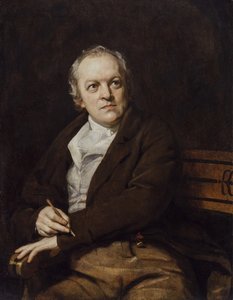
ويليام بليك
1757 - 1827 , المملكة المتحدة
لمحة سريعة
- أعمال فنية بارزة:
- أغاني البراءة والتجربة
- زواج السماء والجحيم
- النمر
- أورشليم
- الاسم الكامل: ويليام بليك
- الجنسية: بريطاني
- الحركة الفنية: الرومانسية
- تاريخ الميلاد: 28 نوفمبر 1757
- حركات أو فنانين تأثر بهم:
- الحضرة الروسيتية
- الرمزية
- الحداثة
- فنانون أثروا فيه:
- رافائيل
- مايكل أنجلو
- مكان الميلاد: لندن، المملكة المتحدة
مقالات ذات صلة

A Procurement Guide to Romantic Landscape Art: Enhancing Hospitality Interiors with Emotional Depth and Grandeur
A professional procurement guide for hotel designers sourcing Romantic landscape art. Discover high-quality hand-painted oil reproductions, custom multi-panel solutions, and efficient bulk ordering for large-scale hospitality projects with reliable global shipping.


