


 معاينة الحجم الواقعي
 إرسال
إرسال مشاركة
 عرض التفاصيل
 دليل الأعمال الفنية للطلاب

 تحميل
تحميل
 قطع مشابهة
 الأشعة السينية
 عرض شرائح متتابع
 الإحصائيات
Untitled 2

 اقرأ المزيد
نسخة زيتية مصنوعة يدوياً
لوحة زيتية مرسومة يدوياً على الكانفاس بالمقاس والإطار الذي تفضله، تُنفذ حسب الطلب على أيدي فنانينا. ( التبديل إلى المطبوعات التحويل إلى الصورة الرقمية)




































اختر من بين أحجامنا المُعدّة مسبقاً والتي تتوافق مع النسب الأصلية للعمل الفني.

أدخل العرض والارتفاع اللذين تحتاجهما، ليتناسب العمل مع إطارك أو جدارك. وبما أن هذه اللوحة مرسومة يدوياً، ففي حال اختيار مقاس بشكل مختلف، يمكن للفنان رسم مساحة إضافية حول الصورة أو تقليصها قليلاً — الخيار لك. سنرسل لك نموذجاً رقمياً تجريبياً لاعتماده قبل البدء في الرسم. علماً بأن الصورة المعروضة في هذه الصفحة لا تعكس النتيجة النهائية الحقيقية — فالنموذج التجريبي هو الوحيد الذي يوضح ذلك بدقة.
بعد إتمام الطلب، سيرسل فريق AllPaintingsStore.com بريداً إلكترونياً للعميل لطلب التعليمات وتزويده بمعاينة تجريبية (mockup).
توصيل عالمي إلى خلال 3 إلى 4 أسابيع بدلاً من المدة المعتادة البالغة 5 أسابيع. (24 أكتوبر). جودة لا تهاون فيها.

شحن سريع ومجاني لجميع أنحاء العالم

قماش كتان فاخر

تأمين شامل على الشحن

ضمان استرداد الرسوم الجمركية

ضمان دقة مطابقة الألوان

سياسة الإرجاع خلال 100 يوم (في حالات العيوب فقط)

ضمان استرداد نقدي بنسبة 100%

عرض خصم الكميات
 خيار الزجاج متاح فقط للمقاسات التي تقل عن 110 سم

Untitled 2
وسيط إعادة الإنتاج
مقاس النسخة المطبوعة
-


إجمالي السعر
E£ 13333
William Blake’s “The Poet” – A Symphony of Visionary Symbolism
Blake's "The Poet," completed in 1820, stands as an emblem of Romantic idealism and a testament to the artist's unparalleled ability to translate inner experience into visual form. It depicts a solitary figure—often interpreted as Blake himself—seated upon a stone throne amidst a landscape dominated by towering mountains and swirling clouds. This image transcends mere representation; it embodies a profound meditation on creativity, solitude, and the transformative power of imagination.- Subject Matter: The central figure is presented in profile, gazing upwards with an expression of serene contemplation. He wears a robe adorned with symbols—a laurel wreath signifying poetic honor, and a serpent coiled around his thigh representing both temptation and divine wisdom.
- Style: Blake’s style is unmistakably Romantic, characterized by its dramatic use of color, expressive brushstrokes, and an emphasis on emotional intensity. The composition deliberately isolates the Poet against the vastness of nature, reinforcing the theme of inner contemplation.
Technique – Engraving and Watercolor Collaboration
Blake’s masterful technique involved a collaborative effort between engraving and watercolor. Initially conceived as a printmaking project, Blake painstakingly etched the image onto copper plates using intricate burr tools—a method he perfected during his apprenticeship with James Basire. These engraved lines established the foundational structure of the composition, while subsequent washes of watercolor added depth, luminosity, and atmospheric haze to create an immersive visual experience. The resulting print is remarkably detailed, capturing the textures of stone, fabric, and cloud formations with astonishing accuracy.- Engraving Process: Blake’s engraving technique demanded exceptional precision and patience—a reflection of his unwavering commitment to artistic excellence. He employed a burr tool to create microscopic ridges on the copper plate surface, ensuring that every line etched into the metal would faithfully reproduce in the final print.
- Watercolor Layering: Blake skillfully layered watercolor pigments onto the engraved plates, achieving subtle gradations of color and capturing the ethereal quality of the mountainous landscape. This technique allowed him to convey not only visual beauty but also emotional resonance—a palpable sense of grandeur and spiritual aspiration.
Historical Context – The Spirit of Romantic Rebellion
“The Poet” emerged during a period of fervent intellectual and artistic ferment—the Romantic Age in England. This era witnessed a rejection of Enlightenment rationalism in favor of emotion, intuition, and imagination as guiding forces for understanding the human condition. Blake’s work aligns seamlessly with these Romantic ideals, articulating a vision of art as a conduit for spiritual enlightenment and challenging conventional notions of beauty and morality.- Romantic Ideals: The Romantic movement championed individualism, spontaneity, and an appreciation for the sublime—experiences that transcend ordinary sensory perception. Blake’s depiction of the Poet embodies these ideals, portraying him as a figure who dwells in communion with nature and pursues truth through contemplation.
- Blake's Influence: Blake’s artistic innovations profoundly impacted subsequent generations of artists and writers. His pioneering use of engraving and watercolor techniques served as inspiration for countless printmakers and painters alike, establishing him as a cornerstone of Romantic art history.
Symbolism – Layers of Meaning Beyond Appearances
The artwork is replete with symbolic imagery—each element contributing to a complex tapestry of meaning. The stone throne symbolizes stability and authority, yet it also represents the Poet’s vulnerability—his precarious position amidst the forces of nature. The laurel wreath signifies poetic honor but simultaneously acknowledges the serpent's influence—the inescapable presence of temptation and doubt.- Iconography: Blake meticulously crafted his iconography to convey profound spiritual truths. The serpent, for instance, embodies both destructive impulses and transformative potential—a reminder that darkness can illuminate the path toward enlightenment.
- Emotional Resonance: Ultimately, “The Poet” evokes a powerful emotional response—inspiring awe at the majesty of creation and prompting reflection on the enduring quest for inner peace and artistic integrity.
Conclusion – An Enduring Legacy of Imagination
William Blake’s “The Poet” remains an unparalleled achievement of Romantic art—a masterpiece that continues to captivate audiences worldwide. Its masterful technique, evocative symbolism, and profound historical context solidify its place as a cornerstone of artistic heritage. More than simply a depiction of a solitary figure, it is an invitation to embark on a journey into the depths of imagination—a timeless reminder of the transformative power of art to illuminate the human spirit.الأسئلة والأجوبة
هل يستخدم "Untitled 2" للفنان ويليام بليك تباينات قوية أم تناغمات ناعمة؟
يُظهر التحليل اللوني لـ "Untitled 2" للفنان ويليام بليك تباينًا Statement وتناغمًا Softly Mixed Palette.
ما هي الغرفة التي يُنصح بوضع "Untitled 2" للفنان ويليام بليك فيها، بالنظر إلى ألوانه؟
بالنظر إلى ألوانه التي تتميز بـ Earthy، يُقترح وضع لوحة "Untitled 2" في Living Room.
ما هي التقنية المستخدمة في "Untitled 2" للفنان ويليام بليك؟
استخدم ويليام بليك تقنية Acrylic On Canvas في عمل "Untitled 2"، وتحدد هذه التقنية الطبيعة المادية للعمل الأصلي.
أعمال فنية مشابهة


نبذة عن الفنان
رحلة في عالم الرؤى: حياة وفن ويليام بليك
في قلب لندن النابض، وفي خضم تحولات إنجلترا العميقة خلال الحقبة الرومانسية، بزغ نجم ويليام بليك (1757-1827)، فنان وشاعر ورسام حفر اسمه بأحرف من نور في سجلات التاريخ. لم يكن بليك مجرد مبدع، بل كان رمزًا للتمرد على القيود التقليدية، ومدافعًا شرسًا عن قوة الخيال المطلقة. نشأ بليك في أسرة متواضعة، لكنه سرعان ما أظهر موهبة فنية استثنائية، مما دفعه إلى الانخراط في عالم النقش والتصوير. لم يكتفِ بتقليد الأساليب السائدة، بل سعى إلى تطوير تقنياته الخاصة، ليُطلق العنان لرؤيته الفريدة التي طالما أزعجت الآخرين وأدهشتهم في آن واحد.عالم "الإضاءة": التقنية والابتكار
لم تقتصر ثورة بليك الفنية على اختيار الموضوعات فحسب، بل امتدت إلى الطريقة التي كان يخلق بها أعماله. لم يرضَ بالأساليب التقليدية للنقش، بل ابتكر عملية فريدة أطلق عليها اسم "الإضاءة". تتضمن هذه التقنية نقش النصوص والرسومات على ألواح نحاسية، ثم تلوينها يدويًا، مما يمنحه سيطرة كاملة على كل تفصيلة. لم يكن هذا مجرد إضافة للرسم إلى الشعر، بل كان اندماجًا فنيًا متكاملًا، حيث يعزز كل عنصر معنى الآخر. كما طور تقنية النقش البارزة، التي منحت أعماله ملمسًا فريدًا وحرية أكبر في التعبير عن رؤيته. لم يقتصر بليك على النقش فحسب، بل استخدم أيضًا الألوان المائية والدهانات الزيتية، ليجسد مشاهد دينية أو خيالية تنبض بالرمزية العميقة. كان يتميز برفضه المتعمد للمنظور الخطي التقليدي، مفضلًا تمثيلًا رمزيًا وعاطفيًا يغرق المشاهد في عالم رؤياه الساحر.مواضيع البراءة والخبرة والتمرد
تكمن جوهر أعمال بليك الفنية في استكشاف مواضيع عميقة: الثنائية بين البراءة والخبرة، والصراع بين عقلانية العقل وقوة الخيال الخلاقة، والنقد اللاذع للأعراف الاجتماعية.- أغاني البراءة والخبرة (1794)، ربما أشهر أعماله، يقدم رؤية متباينة للطفولة - إحداهما مثالية ونقية، والأخرى مليئة بالصعاب والفساد.
- زواج السماء والجحيم (1793) هو قصيدة نثر استفزازية تتحدى الأخلاق التقليدية، تحتفي بالطاقة والرغبة والتمرد على العقائد المقيدة.
- رسوماته لـ الكوميديا الإلهية لدانتي تظهر رؤيته الدرامية وقدرته على ترجمة السرديات المعقدة إلى صور بصرية قوية.
إرث مُعاد اكتشافه: تأثير بليك الدائم
خلال حياته، ظل ويليام بليك مهمشًا إلى حد كبير، ولم يفهم الكثير من معاصريه أعماله. غالبًا ما تم رفض عمله باعتباره غريب الأطوار أو حتى مجنونًا. عانى ماليًا طوال معظم حياته، واعتمد على الطلبات ودعم دائرة صغيرة من المحسنين مثل توماس باتس. ومع ذلك، في العقود التي تلت وفاته في 12 أغسطس 1827، بدأ سمعته تنمو بثبات. تبنى الإخوة ما قبل الرفائيلية أسلوبه الرؤيوي وصوره الرمزية باعتباره روحًا قريبة منهم. لاحقًا، وجدت الحركات - الرمزية والحداثة - صدى في تأكيده على الخيال والتجربة الذاتية والموضوعات الروحية. اليوم، يُعتبر ويليام بليك شخصية محورية في الحركة الرومانسية، فنانًا لا تزال أعماله تلهم الشعراء والرسامين والفلاسفة عبر التخصصات المختلفة. إن استكشافه للأفكار الفلسفية والدينية المعقدة من خلال الفن يظل ذا صلة عميقة، حيث يتحدىنا أن نتشكك في الحكمة التقليدية وأن نتبنى قوة الرؤية الفردية. إرث بليك ليس مجرد إنجازات فنية؛ بل هو التزامه الثابت بالحرية الإبداعية - شهادة على القوة الدائمة للخيال في عالم تهيمن عليه غالبًا العقلانية والقيود.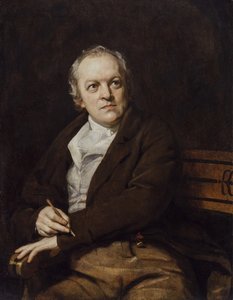
ويليام بليك
1757 - 1827 , المملكة المتحدة
لمحة سريعة
- أعمال فنية بارزة:
- أغاني البراءة والتجربة
- زواج السماء والجحيم
- النمر
- أورشليم
- الاسم الكامل: ويليام بليك
- الجنسية: بريطاني
- الحركة الفنية: الرومانسية
- تاريخ الميلاد: 28 نوفمبر 1757
- حركات أو فنانين تأثر بهم:
- الحضرة الروسيتية
- الرمزية
- الحداثة
- فنانون أثروا فيه:
- رافائيل
- مايكل أنجلو
- مكان الميلاد: لندن، المملكة المتحدة
مقالات ذات صلة

Romantic Realism's Finest: 10 Masterpieces for Your Home | AllPaintingsStore
Explore 10 defining masterpieces of Romantic Realism! Discover Courbet, Millet & Daumier's powerful paintings—capturing emotion and social realities. Find museum-quality reproductions for your home at AllPaintingsStore.com.

أفضل 10 لوحات طبيعية رومانسية غيرت مسار الفن وجمّلت الديكور | AllPaintingsStore
اكتشف 10 روائع فنية رسمت مسار الفن الرومانسي! استكشف لوحات فريدريش، مالارد وأكثر. قصص الفنانين، تقنيات الرسم، وجمال المناظر الطبيعية الخلابة. احصل على أعمال فنية عالية الجودة من AllPaintingsStore.com!

Spiritual Art: 10 Masterpieces to Inspire Your Soul |
Explore 10 spiritual art masterpieces – from Da Vinci to Van Gogh – that ignite inner peace & reflection. Discover their stories, techniques & emotional power. Find museum-quality reproductions & curated decor ideas at .

William Blake: Romantic Visionary & Mystical Genius of the Imagination
Explore the mystical art & poetic genius of William Blake (1757-1827). Discover his revolutionary illuminated printing, rich symbolism, and lasting influence on Romanticism. Find handmade reproductions at AllPaintingsStore.

Kandinsky's Masterpieces: 25 Paintings That Define Abstract Art | AllPaintingsStore
Journey through Wassily Kandinsky's 25 most iconic abstract paintings. Explore his revolutionary use of color, form & spiritual expressionism. Find museum-quality Kandinsky reproductions and elevate your home decor with AllPaintingsStore.com. Discover all masterpieces on AllPaintingsStore.com!


