


 معاينة الحجم الواقعي
 إرسال
إرسال مشاركة
 عرض التفاصيل
 دليل الأعمال الفنية للطلاب

 تحميل
تحميل
 قطع مشابهة
 الأشعة السينية
 عرض شرائح متتابع
 الإحصائيات
Winter
 Impressionism
 1931
1931 35.0 x 39.0 cm
 اقرأ المزيد
إن العمل الفني المعروض في هذه الصفحة محمي بموجب قوانين حقوق الطبع والنشر، مما يعني أنه لا يحق لنا قانوناً إنشاء أو بيع نسخ مطابقة له. وتُطبق هذه الحماية بموجب الاتفاقيات الدولية مثل الـ اتفاقية برن ووفقاً للقوانين الوطنية، بما في ذلك تلك المنصوص عليها في قانون حقوق الطبع والنشر في الولايات المتحدة - الباب 17.
وكبديل قانوني ومحترم، نقدم أعمالاً فنية مخصصة ومرسومة يدوياً مستوحاة من العمل الأصلي. حيث يقوم فنانونا المهرة والمحترفون بدراسة أسلوب العمل الأصلي، وأجوائه، وجوهره الفني بعناية فائقة لابتكار قطعة جديدة وفريدة تثير الشعور ذاته - مع بقائها عملاً أصيلاً بحد ذاته.
تتوافق هذه الطريقة تماماً مع لوائح حقوق النشر لأنها لا تتضمن نسخ أو تكرار العمل الفني المحمي، بل هي إعادة تفسير إبداعية؛ أي أنها لوحة جديدة مستوحاة من الأصل ولكنها ليست مطابقة له.
نسخة زيتية مصنوعة يدوياً
لوحة زيتية مرسومة يدوياً على الكانفاس بالمقاس والإطار الذي تفضله، تُنفذ حسب الطلب على أيدي فنانينا. ( التبديل إلى المطبوعات التحويل إلى الصورة الرقمية)




































اختر من بين أحجامنا المُعدّة مسبقاً والتي تتوافق مع النسب الأصلية للعمل الفني.

أدخل العرض والارتفاع اللذين تحتاجهما، ليتناسب العمل مع إطارك أو جدارك. وبما أن هذه اللوحة مرسومة يدوياً، ففي حال اختيار مقاس بشكل مختلف، يمكن للفنان رسم مساحة إضافية حول الصورة أو تقليصها قليلاً — الخيار لك. سنرسل لك نموذجاً رقمياً تجريبياً لاعتماده قبل البدء في الرسم. علماً بأن الصورة المعروضة في هذه الصفحة لا تعكس النتيجة النهائية الحقيقية — فالنموذج التجريبي هو الوحيد الذي يوضح ذلك بدقة.
بعد إتمام الطلب، سيرسل فريق AllPaintingsStore.com بريداً إلكترونياً للعميل لطلب التعليمات وتزويده بمعاينة تجريبية (mockup).
توصيل عالمي إلى خلال 3 إلى 4 أسابيع بدلاً من المدة المعتادة البالغة 5 أسابيع. (26 أكتوبر). جودة لا تهاون فيها.

شحن سريع ومجاني لجميع أنحاء العالم

قماش كتان فاخر

تأمين شامل على الشحن

ضمان استرداد الرسوم الجمركية

ضمان دقة مطابقة الألوان

سياسة الإرجاع خلال 100 يوم (في حالات العيوب فقط)

ضمان استرداد نقدي بنسبة 100%

عرض خصم الكميات
 خيار الزجاج متاح فقط للمقاسات التي تقل عن 110 سم

Winter
وسيط إعادة الإنتاج
مقاس النسخة المطبوعة
-


إجمالي السعر
E£ 13341
أعمال فنية مشابهة


نبذة عن الفنان
William Moore I (1730 – 1806): The Painter of Everyday Life
William Moore I was a British artist who achieved considerable renown during the Georgian era, primarily for his unflinching portrayal of London life and social commentary. Unlike many artists of his time focused on grand historical narratives or mythological subjects, Moore dedicated himself to capturing the gritty realities of urban existence – scenes from taverns, marketplaces, and domestic interiors – offering a uniquely insightful glimpse into the lives of ordinary people. Moore’s artistic style is often described as Hogarthian, referencing the celebrated British painter Henry Raeburn's influence. Like Hogarth, Moore employed meticulous detail and realism to depict commonplace subjects with an acute awareness of human psychology. He wasn’t interested in idealizing his subjects; instead, he presented themwarts and all, exposing both their virtues and vices with unflinching honesty. This approach distinguished him from the prevailing artistic conventions of the period, which tended towards decorative elegance rather than social critique. Born in Dublin in 1730, Moore's early life remains somewhat obscure, though he apprenticed under Jonathan Richardson Sr., a prominent portrait painter known for his theatrical and expressive style. Richardson instilled in Moore a commitment to observation and psychological realism—principles that would shape his artistic vision throughout his career. He honed his skills by studying anatomy and drawing from plaster casts, techniques considered essential for achieving accurate representation of the human form. Moore’s prolific output spanned across various mediums including oil paintings, watercolors, mezzotint prints, and etchings. His most celebrated works include “The Gin Drinker,” “Marriage Portfolio,” and “A Laughing Cavalier,” which collectively constitute a powerful indictment of social hypocrisy and moral decay. These prints, particularly "The Gin Drinker," are considered masterpieces of satirical art, skillfully combining visual storytelling with psychological insight to convey complex ideas about human behavior. The Gin Drinker depicts a man consumed by alcohol and despair, highlighting the detrimental effects of excessive indulgence on both body and mind—a theme that resonated deeply with audiences of the time. Furthermore, Moore’s artistic endeavors extended beyond mere depiction; he actively engaged in theatrical productions, designing sets and costumes for operas and plays. This involvement fostered his understanding of visual composition and storytelling within a broader context, enriching his artistic sensibilities. He collaborated extensively with composers like Johann Christian Bach and Giuseppe Sammartini, contributing to the flourishing musical culture of London during the Georgian period. Moore’s influence on subsequent generations of artists is undeniable. His unwavering commitment to realism and psychological observation paved the way for Impressionism and Realism movements in the 19th century. Artists such as Gustave Courbet and Jean-François Millet drew inspiration from Moore's approach, prioritizing truthful representation over idealized beauty—a legacy that continues to inspire contemporary art practitioners today. William Moore I remains a pivotal figure in British art history, remembered not for grand narratives but for his profound understanding of human nature and his courageous portrayal of the everyday world.
لمحة سريعة
- Full Name: William Moore I
- Nationality: British
- Place Of Birth: London, England
- Notable Artworks:
- Marriage Portrait
- The Painter's Family
- Artistic Movement Or Style: Hogarthian Style
- Artists Who Influenced This Artist:
- Nicolas Poussin
- Joshua Reynolds
- Artists Or Movements Influenced By This Artist: ['British Rococo']
مقالات ذات صلة

Capturing the Soul: The Most Emotionally Moving Impressionist and Post-Impressionist Masterpieces
Discover the profound emotional depth of Impressionist and Post-Impressionist masterpieces. Explore how legends like Monet, Van Gogh, and Gauguin captured light and soul through evocative landscapes and vibrant brushwork for a timeless connection to art history.
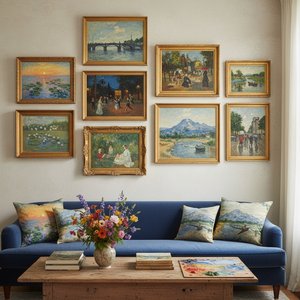
Impressionistic Landscapes: 10 Masterpieces That Changed Art & Decor
Journey into the heart of Impressionism! Explore 10 masterpieces by Monet, Renoir & Degas that revolutionized landscape art. Discover their stories, techniques & find museum-quality reproductions to elevate your home decor on AllPaintingsStore.com.

Penry Williams: Evoking Welsh Nostalgia Through Impressionistic Landscapes
Explore the captivating world of Penry Williams (1802-1885), a Welsh artist renowned for his evocative Impressionistic landscapes and scenes of Italy. Discover his life, style & legacy with AllPaintingsStore.

أعلى 10 لوحات طبعت "المشهد الانطباعي": رحلة فنية في عالم الفن الراقي و الديكور
اكتشفوا 10 روائع فنية رسمت "المشهد الانطباعي"! رحلة في عالم مونيه، رينوار و بيسار. استلهموا ألوان الطبيعة و تقنيات الفنانين. ديكور منزلي راقي و لوحات زيتية مميزة. تسوقوا أعمالًا فنية أصيلة على AllPaintingsStore.com

Golden Fields & Sun-Drenched Meadows: Capturing the Soul of Impressionist Landscapes
Immerse yourself in the luminous world of Impressionist landscapes. Discover how masters like Monet and Gauguin captured ephemeral light through plein air painting, and learn to bring the soul of sun-drenched meadows into your home with exquisite, hand-painted oil reproductions.

