


 معاينة الحجم الواقعي
 إرسال
إرسال مشاركة
 عرض التفاصيل
 دليل الأعمال الفنية للطلاب

 تحميل
تحميل
 قطع مشابهة
 الأشعة السينية
 عرض شرائح متتابع
 الإحصائيات
The Bathos


 اقرأ المزيد
طباعة جيلي / مطبوعات فنية
طباعة جيكلي أو كانفاس بجودة المتاحف، مع سرعة في التنفيذ وخيارات متنوعة للتشطيب. ( اطلب نسخة مرسومة يدويًا التحويل إلى الصورة الرقمية)




P118B E£10

P118H E£10

P118W E£10

P438Z E£10

P508JH E£12

P508YH E£12

P805H E£10

P805Z E£10

P919BZ E£10

P919G E£10

P919XJ E£10

P959ZH E£10

P968JZ E£12

W106C E£8

W218G E£10

W218JH E£8

W218Y E£10

W307PJ E£10

W316G E£10

W316PJ E£8

W316Y E£10

W398PJ E£8

W4111J E£10

W500HY E£15

W500JH E£15

W692G E£12

W849H E£8

W940BG E£15

W953PJ E£8




اختر من بين أحجامنا المُعدّة مسبقاً والتي تتوافق مع النسب الأصلية للعمل الفني.

أدخل العرض والارتفاع اللذين تحتاجهما، ليتناسب مع إطارك أو جدارك. يمكن قص المطبوعة فقط، ولا يمكن أبداً جعلها أكبر من الصورة الأصلية، لذا فإن أي مقاس بشكل مختلف سيؤدي إلى فقدان جزء من الصورة. سنرسل لك نموذجاً رقمياً تجريبياً لاعتماده قبل البدء في عملية الطباعة. الصورة المعروضة في هذه الصفحة لا توضح القص الفعلي — النموذج التجريبي فقط هو ما يظهر ذلك.
توصيل عالمي إلى خلال أسبوعين بدلاً من المدة القياسية البالغة 4/5 أسابيع. (25 أكتوبر)

شحن سريع ومجاني لجميع أنحاء العالم

قماش كتان فاخر

تأمين شامل على الشحن

ضمان استرداد الرسوم الجمركية

ضمان دقة مطابقة الألوان

سياسة الإرجاع خلال 100 يوم (في حالات العيوب فقط)

ضمان استرداد نقدي بنسبة 100%

عرض خصم الكميات
 خيار الزجاج متاح فقط للمقاسات التي تقل عن 110 سم

The Bathos
طباعة جيلي / مطبوعات فنية
مقاس النسخة المطبوعة
-


إجمالي السعر
E£ 3312
A Descent into Chaos: Decoding William Hogarth’s *The Bathos*
William Hogarth's *The Bathos*, a powerfully unsettling engraving created towards the end of his life, is not merely an artwork; it’s a visual lament—a darkly satirical reckoning with the decline of knowledge, artistic standards, and perhaps even civilization itself. Completed in 1764, just months before his death, this densely packed composition feels less like a carefully constructed image and more like a fever dream rendered in meticulous lines. It's an apocalyptic vision born from a mind acutely aware of its own mortality and deeply critical of the world around him. The very title, “Bathos,” derived from a rhetorical term signifying a deliberate descent from the sublime to the ridiculous, signals Hogarth’s intention: to expose the absurdity lurking beneath pretensions of grandeur.
The Language of Ruin and Satire
To gaze upon *The Bathos* is to be overwhelmed. The scene unfolds with chaotic energy, a swirling vortex of fragmented objects—books scattered like fallen ideals, musical instruments silenced, tools rendered useless. Dominating this wreckage lies the skeletal figure of Death, not as an active agent of destruction but as a weary observer, slumped amidst the debris. This isn’t a triumphant depiction of the end times; it's one of exhaustion and disillusionment. Above him, an angel ascends towards a sign proclaiming “The World’s End,” yet even this celestial messenger appears burdened, almost defeated. Hogarth masterfully employs the engraving technique—the precise interplay of light and shadow created through intricate hatching and cross-hatching—to amplify the sense of claustrophobia and impending doom. The turbulent sea forming the backdrop isn't merely a setting; it’s a metaphor for the instability threatening to engulf everything. The artist doesn’t shy away from detail, each object meticulously rendered, contributing to the overall feeling of oppressive disorder.
Hogarth’s Final Statement: A Critique of Artistic and Intellectual Decay
Understanding *The Bathos* requires acknowledging Hogarth's broader artistic project. He was a pioneer in British art, forging a path independent of traditional patronage by appealing directly to the public through his narrative series—works like *A Harlot’s Progress* and *A Rake’s Progress*. These earlier works were moralizing tales told through vivid imagery, but *The Bathos* feels different. It's less about specific vices and more about a systemic failure of values. Hogarth wasn’t simply lamenting the decline of artistic taste—he was critiquing what he saw as a broader intellectual and spiritual decay. The inclusion of references to classical art, like allusions to Dürer and Poussin, suggests a disillusionment with even the most revered traditions. He seems to be arguing that even the great masters were not immune to superficiality and artistic pretense. The print’s complex symbolism—the broken instruments, the crumbling architecture, the exhausted angel—all contribute to this overarching theme of collapse.
A Legacy of Social Commentary
Though created in the 18th century, *The Bathos* resonates with a timeless relevance. Its depiction of societal breakdown and intellectual exhaustion feels eerily prescient, speaking to anxieties that continue to plague us today. Hogarth’s genius lies not only in his technical skill but also in his ability to tap into universal human fears—the fear of loss, the fear of meaninglessness, the fear of oblivion. A reproduction of *The Bathos* is more than just a decorative piece; it's a conversation starter, a visual embodiment of critical thought, and a powerful reminder of the fragility of civilization. For collectors seeking works with intellectual depth, or for interior designers aiming to create spaces that provoke contemplation, Hogarth’s final masterpiece offers a compelling and enduring statement.
الأسئلة والأجوبة
ما هو الشعور الذي تثيره ألوان "The Bathos" للفنان ويليام هوغارث؟
في "The Bathos"، ترافق ألوان Neutrals شعوراً بـ Melancholic.
ما مدى سطوع "The Bathos" للفنان ويليام هوغارث؟
من حيث السطوع الملحوظ، فإن "The Bathos" للفنان ويليام هوغارث يتميز بـ brilliant.
ما هو الحجم المناسب لطباعة "The Bathos" لغرفتي؟
التنسيق الموصى به لـ "The Bathos" للفنان ويليام هوغارث: طباعة بمقاس Large في Living Room.
أعمال فنية مشابهة


نبذة عن الفنان
A London Life in Ink and Paint: The World of William Hogarth
William Hogarth, born into the bustling heart of 18th-century London in 1697, was more than just an artist; he was a visual historian, a keen observer of human nature, and a satirical commentator on the societal currents of his age. His life story is inextricably linked to the very fabric of England during a period of significant transformation – its burgeoning ambitions, underlying anxieties, and pervasive hypocrisies all finding potent expression in his remarkably detailed and often biting works. The son of a struggling Latin schoolmaster, Hogarth’s early experiences instilled within him both a love for learning and a sharp awareness of social inequalities, a foundation that would prove crucial to shaping his artistic vision. Initially apprenticed to an engraver, he quickly demonstrated a talent extending beyond mere technical skill; he possessed an innate ability to observe the nuances of human behavior and translate them into compelling visual narratives. However, he chafed against the constraints of traditional engraving, seeking a more expressive outlet for his burgeoning creativity. This led him to studies at both St Martin’s Lane Academy and under Sir James Thornhill, where he honed his skills in painting and composition, absorbing influences that would later inform his unique style.The Birth of Modern Moral Subjects
Hogarth's true innovation lay not simply *what* he painted, but *how*. He pioneered what he termed “modern moral subjects” – series of pictures designed to tell a story, often imbued with a strong satirical edge. These weren’t isolated portraits or landscapes; they were visual novels unfolding before the viewer’s eyes, offering pointed commentary on contemporary society. A Harlot's Progress, created in 1742, stands as perhaps his most famous example. This series of six paintings meticulously follows the tragic downfall of Mary, a young woman arriving in London full of hope but quickly succumbing to the temptations and dangers of city life. Each scene is rendered with painstaking detail, filled with symbolic elements that reveal the moral decay surrounding her. The artist’s masterful use of line and shading brought these figures to life with remarkable clarity, capturing both their vulnerability and their folly. Similarly, A Rake's Progress, begun in 1733, charts the reckless decline of Tom Rakewell, a man who squanders his inheritance on gambling, debauchery, and ultimately, madness. These weren’t merely cautionary tales; they were unflinching portraits of a society grappling with issues of class, morality, and social mobility. Hogarth's genius resided in his ability to elevate everyday scenes – the bustling streets of London, the opulent interiors of the wealthy, the squalid lives of the poor – into works of art that resonated deeply with his audience. He didn’t shy away from depicting the harsh realities of life, presenting them with a blend of humor and pathos that forced viewers to confront uncomfortable truths about themselves and their society.Technique and Influences: A Synthesis of Styles
Hogarth's artistic style was a unique amalgamation of diverse influences. He greatly admired the realism and narrative detail found in the works of Dutch genre painters like Pieter de Hooch, evident in his meticulous depictions of interiors and everyday life. The satirical prints produced in France also played a role in shaping his approach to social commentary. However, Hogarth wasn’t simply imitating these sources; he was synthesizing them into something entirely new and distinctly his own. His technique was characterized by a masterful use of line and shading, particularly evident in his engravings. He employed a distinctive cross-hatching technique that created depth and texture, bringing his scenes to life with remarkable clarity. This meticulous attention to detail—a hallmark of Hogarth’s oeuvre—allowed him to convey emotion and moral judgment with unparalleled precision. Beyond visual art, Hogarth was influenced by literary works, particularly those of Jonathan Swift and Henry Fielding, whose satirical wit informed his own social observations. He believed that art should not merely be beautiful but should also serve a moral purpose, challenging viewers to think critically about the world around them and their place within it. He sought to hold a mirror up to nature, reflecting both its beauty and its ugliness with unflinching honesty.Major Achievements: Shaping English Art
Hogarth’s contribution to English art is undeniable. He revolutionized painting by establishing what became known as “modern moral subjects,” fundamentally altering the artistic landscape of his time. His series of paintings—including *A Harlot's Progress*, *Marriage A-la-Mode*, and *A Rake's Progress*—became enduring symbols of social critique and psychological insight. These works weren’t merely aesthetically pleasing; they provoked profound reflection on human behavior and societal values, cementing Hogarth’s place as one of the most influential artists of the Enlightenment. His engravings, particularly *A Harlot's Progress*, achieved widespread popularity thanks to their ability to disseminate his satirical ideas across a broad readership. This unprecedented success demonstrated the power of visual storytelling to engage audiences and challenge conventional wisdom.Historical Significance: A Legacy Enduring Through Time
William Hogarth’s legacy extends far beyond his artistic achievements. He is considered a pivotal figure in the history of British art, marking a decisive break from traditional conventions and paving the way for future generations of artists. His unflinching portrayal of human nature—both its virtues and vices—continues to inspire debate and contemplation today. Artists like James Gillray and George Cruikshank drew inspiration from Hogarth’s style, carrying forward his tradition of social satire into the Victorian era and beyond. Furthermore, Hogarth's influence can be seen in contemporary visual culture, including political cartoons and comic strips—a testament to the enduring power of his artistic vision. He remains a beacon of intellectual curiosity and moral courage, reminding us that art has the capacity to illuminate the complexities of human experience and transform our understanding of the world around us.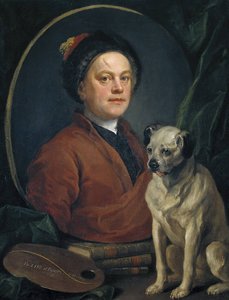
ويليام هوغارث
1697 - 1764 , المملكة المتحدة
لمحة سريعة
- Artistic Movement Or Style: واقعية ساخرة
- Artists Or Movements Influenced By This Artist: ['جيمس جيلراي']
- Artists Who Influenced This Artist:
- بيتر دي هوخ
- جونathan سويفت
- Date Of Birth: ١٦٩٧
- Date Of Death: ١٧٦٤
- Full Name: ويليام هوغارث
- Nationality: بريطاني
- Notable Artworks:
- أ هارلوت بروجريس
- رائع بروجريس
- Place Of Birth: لندن، المملكة المتحدة
مقالات ذات صلة

Mastering the Line: A Professional Guide to the Precision and Legacy of Engraving for Interior Designers
Explore the technical precision of engraving and intaglio printmaking. A professional guide for hotel designers on integrating historical line work and museum-quality art reproductions into large-scale hospitality projects with ease and authority.


