


 معاينة الحجم الواقعي

 مشاركة
 مشاركة
 التفاصيل
 دليل


 تحميل الملف
 قطع مشابهة
 الأشعة السينية
 عرض شرائح
 الأسئلة والأجوبة
 الإحصائيات
عمل غير معنون لـ ويليام موريس

- 57.0 x 962.0 cm


 عرض المزيد
طباعة جيلي / مطبوعات فنية
طباعة جيكلي أو كانفاس بجودة المتاحف، مع سرعة في التنفيذ وخيارات متنوعة للتشطيب. ( شراء لوحة مرسومة يدويًا الانتقال إلى الصورة الرقمية)
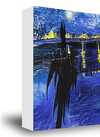



P118B E£10
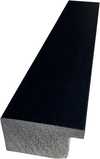
P118H E£10
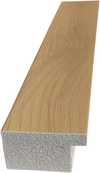
P118W E£10

P438Z E£10
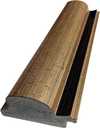
P508JH E£12

P508YH E£12
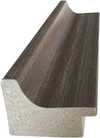
P805H E£10
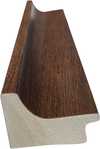
P805Z E£10
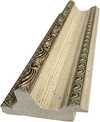
P919BZ E£10
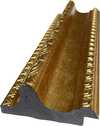
P919G E£10
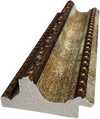
P919XJ E£10
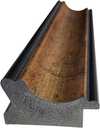
P959ZH E£10
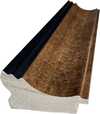
P968JZ E£12
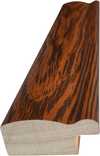
W106C E£8

W218G E£10

W218JH E£8
W218Y E£10
W307PJ E£10

W316G E£10
W316PJ E£8
W316Y E£10
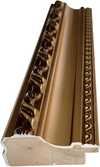
W398PJ E£8
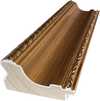
W4111J E£10
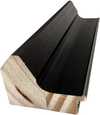
W500HY E£15
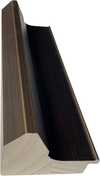
W500JH E£15
W692G E£12
W849H E£8
W940BG E£15
W953PJ E£8
اختر من بين أحجامنا المُعدّة مسبقاً والتي تتوافق مع النسب الأصلية للعمل الفني.

أدخل العرض والارتفاع المطلوبين ليتناسب المقاس مع إطارك أو جدارك. يرجى الملاحظة أن المطبوعة يمكن قصها فقط ولا يمكن تكبيرها لتتجاوز أبعاد الصورة الأصلية، لذا فإن اختيار مقاس بأبعاد مختلفة سيؤدي إلى فقدان جزء من الصورة. سنرسل لك نموذجاً رقمياً تجريبياً لاعتماده قبل البدء في عملية الطباعة. الصورة المعروضة في هذه الصفحة لا توضح شكل القص الفعلي — النموذج التجريبي فقط هو ما يظهر ذلك بدقة.
توصيل عالمي إلى خلال أسبوعين بدلاً من المدة القياسية البالغة 4/5 أسابيع. (16 نوفمبر)

شحن سريع ومجاني لجميع أنحاء العالم

قماش كتان عالي الجودة

تأمين شامل على الشحن

ضمان استرداد الرسوم الجمركية

ضمان مطابقة الألوان الحقيقية

سياسة الإرجاع خلال 100 يوم (في حالات العيوب فقط)

ضمان استرداد نقدي بنسبة 100%

خصم عند طلب كميات
 خيار الزجاج متاح فقط للمقاسات التي تقل عن 110 سم

None
طباعة جيلي / مطبوعات فنية
مقاس النسخة المطبوعة
-


إجمالي السعر النهائي
E£ 3475
Identification of the Pimpernel Wallpaper Design
The wallpaper design known as Pimpernel emerged from the mind of William Morris around 1876. This work reflects the vision of the English architect, designer, craftsman and theorist William Morris. It captures a specific moment in the late nineteenth century when the lines between domestic utility and fine art began to blur. The pattern seeks to bring the quiet rhythms of the natural world into the structured interiors of the Victorian era.
William Morris conceived this design as a way to integrate botanical life into the fabric of the home. The Pimpernel pattern is a wallpaper design that relies on the repetition of organic forms. It functions as a visual echo of the garden, translated into a rhythmic sequence of flora. Each line follows the logic of a growing stem or a reaching leaf.
The work exists as a structured arrangement of botanical elements. It is a product of the Arts and Crafts movement, born from a desire to prioritize the hand of the maker. Through this design, the artist sought to find a balance between the wildness of nature and the order of the printed surface. A single petal rests in the stillness of the pattern.
Visual Composition and Floral Motifs
Curvilinear acanthus leaves wind through the space, creating a rhythmic movement across the surface. These forms intertwine with climber willow and honeysuckle branches, forming a dense, interlocking network. The pattern relies on an intricate and detailed arrangement where every leaf and stem finds its place within the organic geometry. It is a quiet, structured growth.
Chrysanthemums and jasmines emerge from the foliage, their shapes softened by the surrounding greenery. Willow branches weave through the composition, adding a sense of layered depth to the botanical scene. The color palette remains restrained, dominated by shades of blue that suggest a calm, shaded garden. Ivory and pale greens provide a delicate contrast to these deeper tones.
Technique and Material Production
The creation of this design relied on the steady hand of the artisan. Using hand-printing techniques, the intricate floral patterns were pressed onto linen fabric. Each movement of the printer required precision to ensure the botanical forms appeared with a remarkable level of realism. The texture of the linen holds the ink, grounding the delicate shapes of the pimpernel and willow in a tangible, physical reality.
This labor-intensive process reflects a deep commitment to traditional artisanal skills. Rather than the sterile repetition of a machine, the work carries the weight of meticulous human effort. Every stem and leaf was placed with a specific intent, honoring the slow rhythm of manual craft. The final result is a surface where the organic lines of nature meet the disciplined touch of the maker.
Artistic Style and Movement Influence
The design belongs to the Arts and Crafts Movement, a reaction against the cold precision of the industrial age. It seeks a return to the hand of the maker. This piece carries a distinct Oriental influence, pulling from the quietude of the Far East to reshape Victorian interiors. The patterns do not shout; they whisper through a lens of Japonisme.
Eastern stylistic conventions dictate the flow of the composition. The work reflects the influence of Japanese design principles, favoring a restrained elegance over heavy ornamentation. It is a translation of distant aesthetics into a local language of line and form. The curvilinear movement of the stems mirrors the serene balance found in Japanese art.
This aesthetic approach creates a bridge between two worlds. The pattern uses the logic of the East to find a new rhythm for the English home. It is a quiet rebellion of nature against the machine. A single leaf rests in perfect, deliberate balance.
Current Location and Museum Collection
The Pimpernel wallpaper design resides within the Nacionálny múzeum dekoratívneho umelí Madrid. This collection preserves the work in Madrid, Spain. It remains a part of the National Museum of Decorative Arts. The physical presence of the piece is defined by its long, narrow scale, measuring 57 x 962 cm.
The museum halls hold this linen fragment. It rests as a quiet specimen of the Arts and Crafts Movement. The blue hues and floral lines exist here, kept within the Spanish institution. A stillness settles over the pattern in its current home.
الأسئلة والأجوبة
بأي أسماء أخرى يُعرف ويليام موريس؟
يُعرف ويليام موريس أيضاً باسم موريس، مارشال، فوكنر وشركاه.
أعمال فنية ذات صلة


السيرة الذاتية للفنان
حياة متجذرة في الطبيعة والرومانسية
وُلد ويليام موريس في 24 مارس 1834، في والتامستو بإقليم إيسيكس، ونشأ في كنف خلفية متوسطة الحال ميسورة الحال، وهي ظروف منحته الحرية لملاحقة شغفه بدلاً من الانشغال بمجرد البحث عن مهنة. لم يوفر نجاح والده كخبير مالي الأمان المادي فحسب، بل هيأ له أيضاً بيئة خصبة لتزدهر فيها الحساسية الجمالية. لقد تشكلت طفولة موريس بعمق من خلال الريف الإنجليزي المحيط بمنزله، ومن الانبهار بحكايات الفروسية في العصور الوسطى، مما وضع حجر الأساس لتفانٍ دام مدى الحياة لكل من الجمال الطبيعي والسرديات الرومانسية. ولم تكن هذه التأثيرات المبكرة مجرد عواطف عابرة، بل شكلت جوهر فلسفته الفنية؛ فهو لم يكن مستلهماً من الطبيعة أو الماضي فحسب، بل كان يؤمن بتفوقهما الأخلاقي والجمالي المتأصل على الحاضر الذي يتجه نحو التصنيع السريع. ورغم أن تعليمه الرسمي في جامعة أكسفورد وجهه في البداية نحو مسار وظيفي تقليدي، إلا أن نداءه الحقيقي بدأ يتشكل داخل الدوائر الفكرية النابضة بالحياة في الجامعة، حيث انضم إلى "المجموعة" (The Set)، وهي جماعة من الطلاب الذين تشاركوا اهتماماً مكثفاً بالفن والأدب وتاريخ العصور الوسطى، مما أدى إلى بناء صداقات—أبرزها مع إدوارد بيرن-جونز—كان لها أثر عميق في مساره الفني. وخلال هذه الفترة، التقى بكتابات جون روسكين، الذي لاقت انتقاداته للمجتمع الصناعي ودعوته للحرف اليدوية صدىً عميقاً في معتقدات موريس الناشئة.ثورة الفنون والحرف
بعد مرحلة أكسفورد، مهدت تجربة قصيرة في الهندسة المعمارية الطريق سريعاً نحو الرسم، حيث تعاون موريس مع دانتي غابرييل روزيتي في مشاريع الجداريات. ومع ذلك، كانت لحظة التحول المحورية ليست فقط في مسيرته المهنية بل في تاريخ التصميم بأكمله، هي تأسيس شركة "موريس، مارشال، فوكنر وشركاه" عام 1861—والتي عُرفت لاحقاً باسم "موريس وشركاه". لم يكن هذا مجرد مشروع تجاري، بل كان محاولة لخلق أسلوب حياة جديد، حيث يتغلغل الفن في كل جانب من جوانب الوجود اليومي وتُقدّر الحرفية فوق كل شيء. وبجانب بيرن-جونز، وروزيتي، وفليب ويب، وغيرهم، سعى موريس إلى إحياء التقنيات التقليدية وإنتاج قطع جميلة ومتقنة الصنع للمنازل. وقد تأثرت الأعمال الأولى للشركة بشكل عميق بمنزل "ريد هاوس"، وهو المنزل الذي كلف موريس "ويب" ببنائه—وهو صرح جسد مثالية حركة الفنون والحرف في خلق بيئة جمالية موحدة من خلال الأثاث والزينة المصنوعة يدوياً. أصبح موريس صوتاً رائداً في حركة الفنون والحرف المتنامية، مدافعاً عن الحرف اليدوية كوسيلة لمواجهة الآثار المجرّدة من الإنسانية للإنتاج الضخم. لقد آمن بشغف بأن الفن يجب أن يكون متاحاً للجميع، وليس فقط للنخبة الثرية، وأنه يجب أن يندمج في الحياة اليومية—وهي فكرة راديكالية في وقت كان يُنظر فيه إلى التصميم غالباً كشيء منفصل عن الوظيفة. وتجاوزت هذه الفلسفة مجرد الجماليات؛ فقد كانت متجذرة في ضمير اجتماعي عميق ورغبة صادقة في تحسين حياة الطبقة العاملة.إرث منسوج في المنسوجات والشعر والطباعة
بينما شملت شركة "موريس وشركاه" مجموعة واسعة من الفنون الزخرفينة—من أثاث وزجاج ملون وسجاد—فإن شهرته قد بلغت ذروتها في تصميماته للمنسوجات. لم تكن هذه مجرد أنماط زخرفية، بل كانت سرديات معقدة منسوجة بزخارف نباتية انسيابية، وأوراق شجر غنية، وألوان مثيرة للمشاعر. وقد أحدثت ورق الحائط الخاص به، على وجه الخصوص، ثورة في التصميم الداخلي، مبتعداً عن التقليدات العقيمة التي كانت سائدة في العصر الفيكتوري نحو ابتكارات مستوحاة من الطبيعة تجمع بين الجمال والوظيفة. ولم يكتفِ بتصميم هذه الأنماط، بل انغمس في عملية ابتكارها، ففهم أدق تفاصيل تقنيات الصباغة وطرق النسيج. وإلى جانب المنسوجات، أحيا موريس فن صناعة التابستري (المنسوجات الجدارية)، منتجاً لوحات جدارية سردية ضخمة مستوحاة من قصص الحب في العصور الوسطى وأساطير الملك آرثر—وهي أعمال أظهرت مهارته كحكواتي وارتباطه العميق بالماضي. ولم تقتصر طاقته الإبداعية على الفنون البصرية فحسب؛ بل كان كاتباً غزيراً، ألف الشعر والروايات والترجمات. وتعد أعمال مثل "الفردوس الأرضي" (1868-1870) و"أخبار من لا مكان" (1890) شهادة على موهبته الأدبية ورؤيته الطوباوية لمجتمع متجذر في الحرفية والعدالة الاجتماعية. وفي عام 1890، أسس مطبعة "كالمسكوت برس"، وهي مطبعة خاصة مكرسة لإنتاج كتب عالية الجودة بتنسيق خطوط ورسوم توضيحية رائعة—وهو مشروع أثر بعمق في تصميم الكتب الحديثة.الاشتراكية، الحفاظ على التراث، والتأثير الخالد
امتد التزام موريس إلى ما هو أبعد من الجماليات ليدخل مجال النشاط الاجتماعي؛ حيث انخرط بشكل متزايد في السياسات الاشتراكية، مدافعاً عن حقوق العمال والإصلاح الاجتماعي. كان يؤمن بأن المجتمع الجميل حقاً لا يمكن أن يوجد بدون المساواة الاقتصادية والعدالة—وهو قناعة وجهت كلاً من فنه وكتاباته السياسية. لم تكن هذه مجرد نظريات مجردة؛ فقد دعم بنشاط مختلف القضايا الاشتراكية واستخدم منصته لرفع الوعي بمعاناة الكادحين. علاوة على ذلك، كان موريس رائداً في مجال الحفاظ على التراث، مدركاً أهمية حماية المباني التاريخية والمناظر الطبيعية للأجيال القادمة؛ فقد أدرك أن هذه الهياكل ليست مجرد بقايا من الماضي، بل هي روابط حيوية للهوية الثقافية والإلهام الفني. ويقف معرض "ويليام موريس" في والتامستو شاهداً على إرثه الخالد، حيث يعرض أعماله ويقدم رؤى حول حياته وأفكاره. واليوم، لا تزال تصميماته تلهم الفنانين والمصممين عبر مختلف التخصصات؛ إذ إن تركيزه على الحرفية، والأشكال الطبيعية، والتصميم المتكامل قد ترك أثراً دائماً في الديكور الداخلي، وفن المنسوجات، والتصميم الجرافيكي. إن رؤيته لعالم يتشابك فيه الجمال والمنفعة—حيث يكون الفن متاحاً للجميع—لا تزال حاضرة ومؤثرة اليوم تماماً كما كانت في القرن التاسع عشر. لم يكن ويليام موريس مجرد فنان؛ بل كان صاحب رؤية سعى إلى تحويل المجتمع من خلال قوة التصميم، والحرفية، والعدالة الاجتماعية.
ويليام موريس
1834 - 1896 , المملكة المتحدة
حقائق سريعة
- Artistic Movement Or Style: حركة وفن الفنون والحرف
- Artists Or Movements Influenced By This Artist: ['حركة الفنون والحرف']
- Artists Who Influenced This Artist:
- جون روسكين
- إدوارد بيرن-جونز
- Date Of Birth: 24 مارس 1834
- Date Of Death: 3 أكتوبر 1896
- Full Name: ويليام موريس
- Nationality: بريطاني
- Notable Artworks:
- ملائكة الشمس والقمر
- أوراق البلوط في جميع القديسين
- يهودا المكابي
- Place Of Birth (City And Country): والثامستو، المملكة المتحدة
مقالات ذات صلة

25 Must-See Masterpieces at the Museo del Prado, Madrid
Journey through history with the 25 greatest masterpieces of Madrid's Museo del Prado. From Velázquez to Goya, explore the stories behind these iconic works and find museum-quality art reproductions for your decor. Discover all masterpieces on AllPaintingsStore.com.

Victorian Botanical Art: A Professional Guide to Sourcing Timeless Floral Reproductions for Luxury Hotel Interiors
Elevate hospitality interiors with premium Victorian botanical art reproductions. A professional guide for hotel designers on sourcing hand-painted oils and large-scale murals, featuring expert procurement advice, bulk ordering, and reliable global logistics for luxury spaces.

Orientalism Art Movement: An Expert Guide to Exoticism and Masterpiece Reproductions for Luxury Interior Design
Master the use of Orientalist art in luxury hospitality. Our expert guide explores 19th-century masterpieces, offering professional insights for hotel designers sourcing high-quality, hand-painted oil reproductions and large-scale murals to create evocative, exotic interiors.

