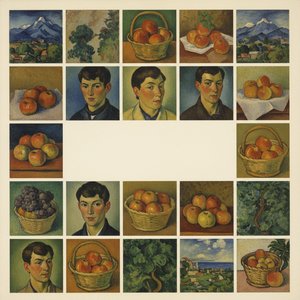
The Luminous Spirit of Málaga: The Life and Art of Enrique Florido Berruelo
Enrique Florido Berruelo emerged from the vibrant, sun-drenched landscape of Málaga, Spain, a city defined by its deep maritime traditions and the golden glow of Andalusian light. Born in 1873, his life’s journey was an unwavering devotion to the canvas, driven by a profound fascination with the everyday rhythms of his homeland. While he may have remained relatively obscure during his own lifetime, Berruelo possessed a rare ability to capture the soul of his surroundings, translating the bustling energy of the Mediterranean coast and the quiet intimacy of domestic life into enduring works of art. His legacy is one of sensory experience, where the salt spray of the port and the warmth of a family hearth are rendered with equal tenderness.
The foundations of Berruelo’s mastery were laid through a blend of diligent self-study and formal mentorship. He began his artistic evolution by experimenting with light and form on his own, but it was his instruction under José Caballero Pessoa that would fundamentally alter his trajectory. Pessoa, a prominent figure in the Málaga art scene, was a staunch proponent of Impressionistic techniques, and under his guidance, Berruelo learned to move beyond mere representation. He began to embrace the tenets of Impressionism, prioritizing the capture of fleeting atmospheric effects and the ephemeral dance of light over rigid, meticulous detail. This stylistic shift allowed him to communicate not just a visual record of a scene, but the very emotion it evoked, mirroring the revolutionary spirit of masters like Monet and Renoir.
A Tapestry of Portside Vitality and Domestic Grace
The breadth of Berruelo’s oeuvre offers a captivating window into the social fabric of early 20th-century Málaga. His landscapes and maritime scenes serve as historical chronicles of a city in motion. In masterpieces such as “Puerto de Málaga,” the viewer is transported to the heart of the harbor, where the air is thick with the industry of trade. Through his soft, rhythmic brushstrokes, one can almost hear the calls of merchants and the heavy creak of ships unloading cargo. He captured the essential vitality of the port—the fishermen hauling their nets and the constant movement of vessels—documenting Málaga's economic heartbeat with a painterly grace that celebrates both labor and light.
In striking contrast to the expansive, energetic scenes of the coast, Berruelo’s portraiture reveals a much more intimate side of his artistry. His family portraits are profound studies in affection and domestic tranquility. Within these canvases, he utilized subtle tonal variations and delicate light to illuminate faces, creating atmospheres filled with warmth and quiet emotion. These works do not merely depict individuals; they capture the essence of familial bonds, inviting the observer into private, tender moments of connection. This duality—the ability to command both the grand scale of a maritime landscape and the delicate nuance of a human expression—is what defines his unique contribution to Spanish Impressionism.
Legacy and Artistic Significance
Though the passage of time saw his name fade from the immediate spotlight, the recent resurgence of interest in Enrique Florido Berruelo has allowed a new generation to appreciate his profound sensitivity. His work stands as a vital link in the history of Spanish Impressionism, representing a localized yet globally resonant interpretation of the movement. He did not simply paint Málaga; he distilled its essence into a visual language of light and color that transcends the era in which it was created.
The enduring significance of his work can be summarized through several key artistic contributions:
- Mastery of Light: His ability to translate the specific, brilliant luminosity of the Andalusian coast into Impressionistic textures.
- Cultural Documentation: Providing a poignant visual record of the maritime and social life of Málaga during a transformative historical period.
- Emotional Depth: Bridging the gap between external observation and internal feeling through his evocative use of color and soft brushwork.
- Stylistic Evolution: Successfully integrating the formal techniques of the Impressionist movement into the specific cultural context of Southern Spain.
الأسئلة والأجوبة
هل يوجد عرض شامل لجميع الموضوعات التي رسمها Enrique Florido Berruelo؟
تستعرض صفحة أطلس المواضيع أعمال Enrique Florido Berruelo الفنية مصنفة حسب الموضوع.
كيف يمكنني متابعة أعمال Enrique Florido Berruelo عاماً بعد عام؟
يمكن مشاهدة أعمال Enrique Florido Berruelo الفنية مرتبة زمنياً في صفحة الخط الزمني للأعمال الفنية الخاصة بالفنان.
أين يمكنني مشاهدة المخطط اللوني لأعمال Enrique Florido Berruelo؟
يمكن دراسة استخدام Enrique Florido Berruelo للألوان عبر الأعمال المدرجة في هذا الموقع من خلال صفحة بصمة الألوان الخاصة بالفنان.