الرؤية الدرامية لجورج كلينت
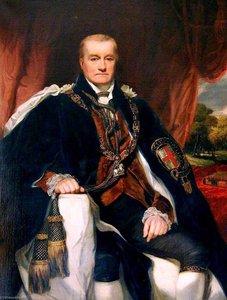
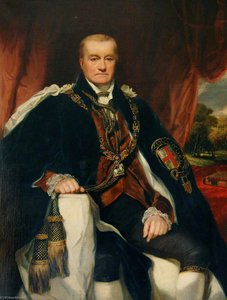
يبرز جورج كلينت (1770 – 1854) كشخصية محورية في سجلات تاريخ الفن البريطاني، حيث نال شهرة واسعة بفضل إسهاماته الجلية في فن رسم البورتريه والإنتاجات المسرحية خلال السنوات التكوينية للقرن التاسع عشر. ومن قلب منطقة كوفنت غاردن النابضة بالحياة في لندن، انطلق من بدايات متواضعة ليصبح عضواً مشاركاً في الأكاديمية الملكية، مرسخاً مكانته بين النخبة الفنية في عصره. وتضم أعماله مجموعة متنوعة من الموضوعات؛ فمن البورتريهات المهيبة التي تجسد عظمة العائلات الأرستقراطraتية، إلى المشاهد الدرامية التي تعكس روح المسرح، أظهر كلينت مرونة وطموحاً ميزا مسيرته الفنية بأكملها.
لقد كان جوهر فن كلينت متشابكاً بعمق مع نبض الحياة الثقافية في لندن. فبعيداً عن الوقار الهادئ للفنون الجميلة، امتلك كلينت موهبة استثنائية في التصميم والإنتاج المسرحي، حيث عمل كفنان مناظر للعديد من مسارح لندن، متعاوناً مع أبرز الكتاب والمخرجين؛ وهي مهنة صقلت مهاراته في الملاحظة وعززت لديه فهماً حميمياً لفن السرد البصري. ويجدر بالذكر هذا الارتباط المزدوج بين الفنون الجميلة والأداء المسرحي، والذي يعكس المشهد الثقافي الأوسع لإنجلترا في العصر الفيكتوري، حيث كانت المساعي الفنية تتقاطع بسلاسة. وقد أتاح له عمله المسرحي فرصة التجريب في لوحات الألوان وتقنيات التكوين، مما أغنى قدرته على التقاط الحركة والعاطفة في أعماله الزيتية الأكثر ديمومة.
إرث من البورتريه وفنون المسرح
تميز تطور كلينت كرسام بقدرته الفائقة على الانتقال بين الواقعية الصارمة المطلوبة في فن الحفر، وبين الملامس الناعمة والأنيقة الموجودة في لوحاته الشخصية. وقد زودته تدريباته الأولى، المتجذرة في الدراسات الكلاسيكية والرسم، بالمهارات الأساسية اللازمة للتنقل عبر الهياكل الاجتماعية المعقدة لعصري "الريجنسي" وأوائل العصر الفيكتوري. ومع نضجه الفني، بدأت أعماله تعكس تمكناً عميقاً من التحكم في الضوء والظل، وهي مهارة صُقلت على الأرجح بفعل متطلبات الإضاءة الدرامية في مسارح لندن.
ويمكن ملاحظة اتساع نتاجه الفني من خلال عدة جوانب رئيسية في مسيرته:
- فن البورتريه: قدرته على التقاط جوهر شخوصه، بدءاً من الدراسات المذهلة باللونين الأبيض والأسود للرجال، وصولاً إلى التصويرات الأكثر رقة وحيوية للألوان للنساء، مثل بورتريه جين ويليامز عام 1830، الذي يبرز جمالاً هادئاً ورزانة لافتة.
- السينوغرافيا المسرحية: دوره في تشكيل الهوية البصرية لمسرح لندن، حيث سخر مهاراته كرسام لخلق بيئات غامرة لأشهر مسرحيات ذلك العصر.
- فن الطباعة والحفر: إسهاماته في نشر الفن من خلال النقوش، مما سمح لصور الشخصيات البارزة التي رسمها بالوصول إلى جمهور أوسع خارج جدران المعارض الخاصة.
وفي الختام، تكمن الأهمية التاريخية لجورج كلينت في دوره كجسر يربط بين عالم المسرح العابر وعالم الفنون الجميلة الخالد. فمن خلال نقل اللمسة الدرامية من خشبة المسرح إلى النطاق الرسمي للبورتريه، ساعد في تحديد جمالية جسدت الأناقة والروح المسرحية لأوائل القرن التاسع عشر. وتظل حياته شهادة على قوة الإبداع متعدد التخصصات، تاركاً وراءه إرثاً من الأعمال التي لا تزال تستحضر عظمة وروح حقبة تحول جذري في التاريخ البريطاني.
الأسئلة والأجوبة
هل يمكنني فرز أعمال جورج كلينت الفنية حسب اللون؟
تُصنف صفحة تدرج الألوان أعمال جورج كلينت الفنية حسب اللون.
هل تتوفر جولة افتراضية ثلاثية الأبعاد لأعمال جورج كلينت؟
يمكنكم القيام بزيارة افتراضية: حيث تستعرض صفحة متحف ثلاثي الأبعاد الخاصة بـ جورج كلينت أعمال الفنان في معرض ثلاثي الأبعاد.
كيف يمكنني تتبع أعمال جورج كلينت حسب التسلسل الزمني؟
تعرض صفحة التسلسل الزمني للأعمال الفنية الخاصة بالفنان أعمال جورج كلينت مرتبة زمنياً، عاماً تلو الآخر.