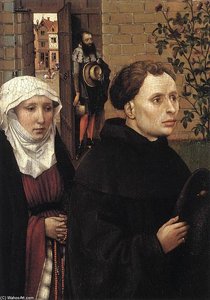
فجر الواقعية النتيرلندية: إرث روبرت كامبين
في المشهد الضبابي والمتنامي للأراضي المنخفضة في القرن الخامس عشر، بدأت رؤية تحولية تتشكل، لتغير مسار الفن الغربي إلى الأبد. وفي قلب هذه الثورة وقف روبردو كامبين، الفنان الذي ارتبط اسمه الآن ارتباطاً وثيقاً بلقب سيد فليمال. ولد كامبين حوالي عام 1375 في فالنسيان بفرنسا، وبرز من رحم فترة انتقالية، جسر الفجوة بين الأناقة الأسلوبية للفن القوطي الدولي وبين الواقعية العميقة والملموسة التي ستحدد ملامح عصر النهضة الشمالي. ورغم أن الكثير من حياته المبكرة لا يزال محجوباً بظلال التاريخ، إلا أن وجوده في تورناي لأكثر من ثلاثة عقود رسخ مكانته كعملاق من عمالقة التقليد الفلمنكي، وكأستاذ استطاعت ريشته أن تبث الحياة في الجوانب الإلهية من خلال عدسة الحياة اليومية.
لم يكن تطور فن كامبين مجرد رحلة شخصية، بل كان غزوًا تقنيًا؛ فقد كان من بين أوائل وأجرأ الرواد الذين تبنوا وسيط الرسم الزيتي، مبتعداً عن الخصائص الأكثر تسطحاً وعتمة لتقنية التمبرا. وقد سمح له هذا الإتقان للزيت بتحقيق ضياء غير مسبوق، حيث استطاع التقاط الطريقة التي يرقص بها الضوء فوق النحاس المصقول، أو يستقر في الثنايا الثقيلة للمخمل، أو يتلألأ على قطرة ماء وحيدة. ومن خلال هذا الابتكار، لم يكتفِ كامبين برسم الموضوعات فحسب، بل نحتها بالضوء والظل، خالقاً إحساساً بالثقل والحضور بدا جلياً ومباشراً بشكل مذهل للمشاهدين في عصره.
الرمزية داخل الفضاء المنزلي
إن ما يميز أعمال روبرت كامبين حقاً هو قدرته على نسج المقدس في ثنايا ما يبدو عادياً. إن التأمل في تحفة فنية مثل مذبح ميرود هو بمثابة دخول عالم يحمل فيه كل شيء صلاة هامسة. فبين يديه، يتحول التصميم الداخلي للمنزل — تلك الغرفة الهادئة المليئة بالفوضى المألوفة لحياة الطبقة الوسطى — إلى مسرح لحقائق لاهوتية عميقة. هذه التقنية، التي يُشار إليها غالباً باسم الرمزية المستترة، تدعو المشاهد للنظر عن كثب، بحثاً عن المعجزات الكامنة في قلب المألوف.
وفي هذه السرديات المقدسة، لا يوجد شيء من قبيل الصدفة:
- البشارة: داخل غرفة معيشة فلمنكية معاصرة، يتم تمييز وصول الملاك جبريل بإشارات دقيقة، حيث يعمل الضوء المتدفق عبر النافذة كاستعارة للنعمة الإلهية.
- الأشياء اليومية: يمثل حوض الماء البسيط أو المنشفة النظيفة الطهارة، بينما تتحدث الشمعة المتذبذبة أو الزهور المتواضعة في المزهرية عن الحضور الكلي للروح القدس.
- الملمس والتفاصيل: إن التصوير الدقيق للأثاث الخشبي، والستائر الثقيلة، والأواني الخزفية يرسخ الحدث الروحي في واقع ملموس وإنساني يتردد صداه بعمق عاطفي.
تأثير دائم على عصر النهضة الشمالي
لا يمكن المبالغة في الأهمية التاريخية لروبرت كامبين؛ فإلى جانب معاصريه مثل يان فان إيك، وضع حجر الأساس لتطور الرسم النتيرلندي المبكر. وبينما يُحتفى بفان إيك غالباً بجماله الأثيري المثالي، قدم كامبين واقعية أكثر قوة وتجذراً — أسلوباً ركز على الحضور المادي والثقل النفسي لشخصياته. وقد امتد تأثيره عبر ورش العمل في تورناي وما وراءها، مشكلاً الجيل التالي من الرسامين، بما في ذلك جاك داريه، الذي حمل مواصلة تقاليد الدقة الفلمنكية.
وعلى الرغم من أن بعض أعماله نُسبت ذات يوم إلى "سيد فليمال" المجهول، إلا أن الدراسات الحديثة وحدت هذه الهويات إلى حد كبير، معترفة بالصوت القوي والفريد الكامن وراء تلك اللوحات. إن قدرته على الجمع بين الروحي والمادي خلقت لغة بصرية هيمنت على شمال أوروبا لعقود من الزمن. واليوم، عندما نتأمل ما تبقى من مذابحه ولوحاته التعبدية، فنحن لا ننظر مجرد نظرة إلى آثار من الماضي؛ بل نحن نشهد اللحظة التي تعلم فيها الفن كيف يرى العالم بعيون جديدة لا تغفل، ليجد الأبدي في قلب الجمال الزائل للوجود الإنساني.
الأسئلة والأجوبة
ما هو مسقط رأس روبرت كامبين (سيد فليمال) وسنة ميلاده؟
وُلد روبرت كامبين (سيد فليمال) في فالنسيان عام 1375.
هل يمكنني استكشاف أعمال روبرت كامبين (سيد فليمال) حسب الموضوع؟
تُعد أطلس المواضيع الخاصة بـ روبرت كامبين (سيد فليمال) صفحةً تستعرض أعمال الفنان وتصنفها وفقاً لموضوعاتها.
كيف يمكنني العثور على جميع أعمال روبرت كامبين (سيد فليمال) ضمن وسيط فني معين؟
تجمع صفحة جميع الوسائط أعمال روبرت كامبين (سيد فليمال) الفنية حسب التقنية المستخدمة.