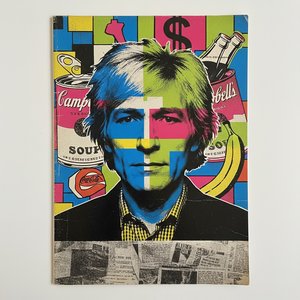
Acrylic On Canvas.

§ 1Каталожни данни

Това произведение е защитено от авторско право
Изкуството, представено на тази страница, е защитено от законите за авторско право, което означава, че не можем законно да създаваме или продаваме идентични репродукции. Тази защита се прилага съгласно международни споразумения като Бернска конвенция и от националното законодателство, включително разпоредбите на Закон за авторското право на САЩ – Раздел 17.
Като уважителна и законна алтернатива, ние предлагаме изработени по поръчка, ръчно рисувани произведения на изкуството, вдъхновени от оригинала. Нашите умени и професионални артисти внимателно изучават стила, настроението и артистичната същност на оригиналното произведение, за да създадат ново, уникално творческо произведение, което предизвиква същото чувство – оставайки в същото време самостоятелно оригинално творение.
Този метод е напълно съвместим с законите за авторско право, тъй като не включва копиране или дублиране на защитеното произведение. Вместо това става въпрос за творческа реинтерпретация – нова картина, която е вдъхновена от оригинала, но не е идентична с него.
 Прочетете повече
§ 2Абстракция
Описание на колекционерския предмет
Explore Andy Warhol's iconic Pop Art (1928-1987) – silkscreens of Marilyn, Campbell’s Soup Cans & celebrity culture. Discover his lasting impact on art.
Биография на художника
Иконичен Поп Арт от Анди Уорхол (1928-1987): Сикленски отпечатъци на Мерилин Монро и Кампанълс Супи. Открийте неговото трайно влияние върху изкуството и културата.
§ 3Коментар
A Snapshot of Pop Art Iconography: Warhol’s “untitled (8717)”
Andy Warhol's "untitled (8717)" stands as a deceptively simple yet profoundly resonant emblem of the American Pop Art movement. Executed in 1963, this silkscreen print embodies Warhol’s signature approach – repetition and appropriation—transforming an ordinary bus into a monumental statement about image culture and consumerism. The artwork's stark palette of yellow, green, and red immediately grabs attention, mirroring the bold visual language prevalent during the era. It’s not merely a depiction; it’s an interrogation of how images dominate our perception of reality.- Subject Matter: Warhol deliberately chose a commonplace subject – a bus – elevating it to iconic status through meticulous replication. This decision wasn't accidental; Warhol sought to challenge the notion of originality, arguing that art could derive its power from referencing existing cultural symbols.
- Style & Technique: Warhol’s masterful use of silkscreen printing revolutionized artistic production. The process involved transferring ink onto a stencil, allowing for rapid and consistent reproduction – a technique perfectly suited to Warhol's fascination with mass media and industrial processes. This method ensured that the image appeared identical across multiple prints, reinforcing its impact as a symbol of reproducibility.
Historical Context: The Rise of Consumer Culture
“untitled (8717)” emerged during a period marked by unprecedented economic growth and burgeoning consumer culture in postwar America. Warhol’s artistic explorations mirrored the anxieties and aspirations of this time, reflecting both the allure and alienation inherent in embracing mass production and celebrity worship. The bus itself represents mobility, connection, and the everyday experiences that underpin societal life—themes deliberately chosen to resonate with a wider audience grappling with rapid social change.- Influence of Mass Media: Warhol’s preoccupation with advertising imagery – exemplified by Campbell's Soup Cans – directly responded to the pervasive influence of billboards, magazines, and television on American consciousness. He aimed to destabilize traditional artistic hierarchies by elevating commercial visuals to the level of high art.
- The Warhol Aesthetic: The artwork embodies Warhol’s broader aesthetic—characterized by flatness, bold colors, and a deliberate lack of illusionistic depth. This stylistic choice deliberately distanced Warhol from representational painting traditions, prioritizing visual impact over narrative complexity.
Symbolism & Emotional Resonance
Despite its apparent simplicity, “untitled (8717)” carries significant symbolic weight. The repetition of the bus image underscores Warhol’s belief that art could communicate powerful ideas through repetition and standardization. Furthermore, the vibrant colors—yellow symbolizing optimism and prosperity, green representing growth and renewal, and red conveying passion and urgency—contribute to the artwork's emotional intensity. It invites contemplation on themes of identity, conformity, and the role of images in shaping our understanding of the world. Ultimately, Warhol’s “untitled (8717)” transcends its subject matter to become a timeless meditation on the nature of art and culture—a testament to Warhol's enduring legacy as one of the most influential artists of the 20th century. Its striking visual language continues to captivate audiences today, reminding us that beauty can be found in unexpected places and that repetition can amplify meaning.Въпроси и отговори
Какъв е емоционалният тон на „untitled (8717)“ на Анди Уорхол?
"untitled (8717)" е свързано с Playful чувство. Емоционалният тон описва впечатлението, което произведението внушава.
„untitled (8717)“ на Анди Уорхол светла или тъмна творба?
Записаните стойности за „untitled (8717)“ на Анди Уорхол са: яркост brilliant, луминанс Bright Balance.
Как се съчетават медиумът и стилът в "untitled (8717)"?
"untitled (8717)" е изработена в Acrylic On Canvas, в стил Pop Art.


 Превключване към принт


 За произведения на изкуството или репродукции, чийто размер е над 105 см (приблизително 41 инча) във всяка страна, рамката ще бъде изпратена в разглобен вид като комплект за сглобяване. Този метод гарантира безопасна доставка и предотвратява повреди по време на транспортиране.