


 Преглед в реален мащаб
 Сподели
 Сподели
 Подробности
 Ръководство

 Изтегляне
 Подобни артикули
 Рентгенова снимка
 Слайдшоу
 Статистика
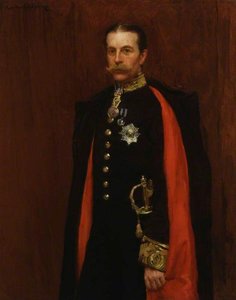
Benjamin Alfred Dobson (1847–1898), Mayor of Bolton (1894–1898)
 74.0 x 60.0 cm
 Bolton Museum And Art Gallery
 Разгърни целия текст
Ръчно изработена маслена репродукция
Ръчно рисувана маслена картина върху платно във вашия размер и рамка, изработена по поръчка от нашите художници. ( Избор на принт Превключване към дигитално изображение)




































Изберете от нашите предварително зададени размери, които съответстват на оригиналните пропорции на произведението.

Можете да въведете свои собствени размери, за да паснат на конкретна рамка или пространство. Ако избраният от вас размер не съответства на пропорциите на оригиналното изображение, ние ще изрежем произведението или ще разширим картината с допълнителни ръчно рисувани елементи. Дигитален макет ще бъде изпратен за ваше одобрение преди започване на производството.
Моля, обърнете внимание, че предпрогледа на екрана не отразява действителното изрязване или разширяване. Само макетът ще покаже точно финалната композиция.
Въпреки че са налични персонализирани размери, препоръчваме да изберете размер от предварително дефинирания списък, за да запазите оригиналните пропорции.
След получаване на поръчка, екипът на AllPaintingsStore.com ще изпрати имейл до клиента с инструкции и ще предостави примерен макет за преглед.
Доставка по целия свят () в рамките на 3-4 седмици вместо стандартните 5 седмици. (21 Септември). Без компромис с качеството.

Безплатна експресна доставка по целия свят

Висококачествено ленено платно

Пълно застраховане на доставката

Гаранция за възстановяване на митнически такси

Гаранция за пълно съответствие на цветовете

Политика за връщане в рамките на 100 дни (само при дефекти)

100% Гаранция за връщане на сумата

Отстъпка при поръчка на повече произведения
 Опцията със стъкло е налична само за размери под 110 см

Benjamin Alfred Dobson (1847–1898), Mayor of Bolton (1894–1898)
Техника на репродукция
Размер на репродукцията
-


Крайна цена
$ 258
Свързани произведения




Биография на художника
David Winder: A Lancashire Portraitist of the Victorian Elite
David Winder (1824–1912) remains a quietly significant figure in 19th-century British art, largely due to his prolific and intimate portraits of the elite of Bolton, Lancashire. Born into a family deeply rooted in the region’s thriving textile industry – his father managed a prominent mill – Winder's artistic journey was shaped by both familial stability and the vibrant social landscape of his hometown. Unlike many artists who sought grand commissions or travelled to fashionable centers like London, Winder dedicated his entire career to capturing the likenesses and status of Bolton’s leading figures: mayors, industrialists, merchants, and their families. This singular focus has resulted in a remarkably complete collection of portraits, offering an invaluable window into the social fabric and aspirations of Victorian Lancashire.Early Life and Artistic Beginnings
Winder's early life provided a grounding in both practical skills and artistic appreciation. His father’s position within a textile mill exposed him to the rhythms of industry and the importance of meticulous observation – qualities that would undoubtedly inform his portraiture. While details about his formal training are scarce, it is believed he initially studied under local artists before establishing himself as a professional painter in Bolton. His early works demonstrate a solid technical foundation, characterized by careful rendering of features and an understanding of light and shadow. Notably, his earliest surviving portraits, such as the celebrated depiction of Charles James Darbishire (Mayor of Bolton), showcase a burgeoning talent for capturing personality alongside physical likeness – a hallmark of Winder’s style.Technique and Style: The Essence of Lancashire Portraiture
Winder's artistic approach is defined by a subtle yet powerful realism, tempered with an appreciation for atmospheric effects. He primarily worked in oil on canvas, favoring a palette that reflects the muted tones of the Lancashire landscape – browns, greys, and ochres dominate, punctuated by flashes of color to highlight clothing or facial features. His brushwork is generally smooth and controlled, prioritizing clarity of form and detail. However, he skillfully employed techniques such as *sfumato* (a subtle blurring of edges) to create a sense of depth and volume, particularly in the rendering of fabrics and textures. Crucially, Winder wasn’t simply replicating appearances; he was attempting to convey character – the dignity, authority, or quiet contemplation of his subjects. His portraits are imbued with a palpable sense of place, reflecting the values and social conventions of Victorian Bolton.Subjects and Social Context
The vast majority of Winder’s commissions came from prominent members of Bolton society. He painted nearly all the Mayors of Bolton during his career, alongside numerous industrialists, merchants, and their families. These portraits weren't merely decorative; they served as visual markers of social status and wealth within a rapidly industrializing community. The subjects themselves – often impeccably dressed in fashionable attire – project an air of confidence and prosperity. Examining these portraits offers a fascinating glimpse into the aspirations and anxieties of Victorian Lancashire’s elite, revealing their commitment to tradition, industry, and social standing. The fact that Winder was able to consistently secure commissions from such influential figures speaks volumes about his reputation for professionalism and his ability to capture the essence of his subjects.Legacy and Collections
Today, David Winder’s work is primarily housed in public collections, offering accessible opportunities for study and appreciation. His portraits are held by Gallery Oldham and the Bolton Museum & Art Gallery, Lancashire. His nine oil paintings represent a significant contribution to British portraiture of the Victorian era, providing invaluable insights into the social history and artistic practices of a specific region. While he may not be as widely celebrated as some of his contemporaries, David Winder’s meticulous portraits continue to resonate with their quiet dignity and intimate portrayal of Lancashire life. His legacy lies in his dedication to capturing the faces and stories of a community, preserving a vital record of Victorian society for future generations.
david winder
1824 - 1912
Бързи факти
- Artistic Movement Or Style: Portraiture
- Date Of Birth: 1824
- Date Of Death: 1912
- Full Name: David Winder
- Nationality: British
- Notable Artworks:
- James Ashworth
- Charles James Darbishire
- Place Of Birth: Bolton, Lancashire

