Гаранция за връщане на сумата · 100 дни Безплатна доставка по целия свят
449587произведения на изкуството 30613художници 4660музеи 32езици
Валута
    Език
      Ателие · Основан през 2015 г. · Париж, Франция
      AllPaintingsStore
      allpaintingsstore.com
      Catalogue entry

      the risen christ

      Acrylic On Canvas.

      Fig. 1. Ел Греко, the risen christ. Shown as the reproduction you are specifying: , .

      § 1Catalogue data

      § 2Abstract

      Описание на колекционерския предмет

      Experience El Greco's dramatic 'The Risen Christ,' a monochromatic masterpiece capturing the raw emotion and spiritual intensity of his Mannerist style. A powerful depiction of faith, vulnerability, and divine grace.

      Биография на художника

      Уникална картина на Ел Греко, изобразяваща Светия Семейство в драматичен стил. Разкрийте красотата и дълбочината на тази емблематична творба от Златната ера на Испания.

      § 3Commentary

      A Monochromatic Revelation: The Essence of El Greco’s ‘The Risen Christ’

      El Greco's “The Risen Christ,” a work rendered in stark monochrome, isn’t merely a depiction of a biblical event; it’s an intensely felt meditation on faith, vulnerability, and the profound drama of resurrection. Born Doménikos Theotokópoulos in Crete around 1541, El Greco forged a uniquely powerful style that defied easy categorization, blending Byzantine tradition with Italian Mannerism and a deeply personal spiritual vision. This particular image, likely created between 1608 and 1614 during his time in Toledo, Spain, captures the essence of this distinctive approach – a deliberate stripping away of color to amplify form, emotion, and the sheer physicality of the subject.

      The painting immediately commands attention with its dramatic composition. A full-length figure dominates the frame, positioned in profile facing right, his body elongated and sculpted with an almost sculptural quality characteristic of El Greco’s style. The diagonal thrust of his outstretched arm, a gesture simultaneously offering blessing and bearing witness to the miracle, guides the viewer's eye upwards and towards the upper right corner, creating a dynamic sense of movement within the otherwise static scene. The stark black background isn’t merely an absence of color; it actively isolates the figure, intensifying its presence and emphasizing the vulnerability inherent in his resurrected state.

      Line, Volume, and the Language of Flesh

      What immediately strikes the viewer is El Greco's masterful manipulation of line. Rather than relying on subtle gradations of color to create volume, he employs bold, decisive lines to define the musculature of Christ’s body – a deliberate departure from the smoother, more idealized forms prevalent in earlier Renaissance art. These lines aren’t simply outlines; they possess a palpable energy, suggesting movement and the raw physicality of resurrection. Subtle variations in tone within these lines create an illusion of depth and volume, lending a remarkable sense of realism to the otherwise stark monochrome palette.

      The texture of the painting, though achieved through photographic reproduction, hints at the artist’s original technique – oil paints applied with thick impasto. The slight variations in tone on Christ's skin suggest brushstrokes, adding a tactile quality to the image and reinforcing the sense that we are observing a tangible, vulnerable human being. The smooth surfaces of his garments contrast sharply with the textured musculature, further emphasizing the duality between earthly form and divine grace.

      Symbolism and Spiritual Resonance

      The nudity of Christ is profoundly significant. It’s not presented as shame or exposure, but rather as a symbol of purity, vulnerability, and sacrifice – qualities inextricably linked to his resurrection. The outstretched arm, a gesture of benediction and offering, speaks to the transformative power of faith and the boundless grace bestowed upon humanity. The dramatic lighting, seemingly emanating from above and slightly to the left, casts strong contrasts between light and shadow, highlighting Christ’s anatomy and imbuing the scene with an almost theatrical intensity.

      Beyond its religious subject matter, “The Risen Christ” resonates with broader themes of human experience. The figure's pose – head turned back in contemplation, a gesture of both humility and triumph – invites viewers to reflect on their own faith, hope, and the enduring power of belief. It’s a work that transcends its specific religious context, offering a timeless meditation on mortality, redemption, and the mysteries of existence.

      A Legacy Forged in Faith and Fire

      El Greco's influence extends far beyond his own lifetime. His innovative style anticipated elements of Expressionism and Cubism centuries later, demonstrating an extraordinary ability to capture emotional intensity and fragmented forms. The Museo de El Greco in Toledo offers a comprehensive exploration of the artist’s life and work, allowing visitors to immerse themselves in the world of this enigmatic genius. Reproductions of “The Risen Christ,” available through AllPaintingsStore.com and similar platforms, provide an accessible way to experience the power and beauty of this iconic masterpiece.

      Въпроси и отговори

      Какъв размер и ориентация се препоръчват за печат на „the risen christ“ на Ел Греко?

      Размер Large, ориентация Portrait: това е препоръчителната конфигурация за печат на „the risen christ“ на Ел Греко.

      Може ли изображението на „the risen christ“ на Ел Греко да се репродуцира свободно?

      Що се отнася до авторското право, „the risen christ“ е в в обществено достояние – авторското право е изтекло.

      Откъде идват посетителите на „the risen christ“ на Ел Греко?

      Страницата Статистика на „the risen christ“ на Ел Греко представя статистика за публичните посещения: месечен брой прегледи на това произведение, сравнение с най-гледаните творби на автора и произход на посетителите.
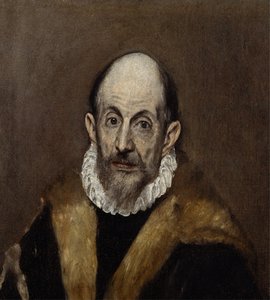
      § 4The artist

      Ел Греко

      Ел Греко

      1541 - 1614, Гърция

      Quick facts about Ел Греко

      • Artistic Movement Or Style: Ренесанс и Барокко
      • Artists Who Influenced This Artist:
        • Тициан
        • Тинторетто
      • Date Of Birth: 1541 г.
      • Date Of Death: 1614 г.
      • Full Name: Doménikos Θεοτοκόπουλος
      • Nationality: Гръцки-Испански
      • Notable Artworks:
        • Погребението на граф Оргоз
        • Панорама над Толедо
        • Разделен Христосъбитие
      • Place Of Birth: Крета, Гърция

      Биография на художника

      Doménikos Theotokópoulos, Known As El Greco – A Pioneer Of Expressionism And Cubism

      Doménikos Theotokópoulos, universally recognized as El Greco – “the Greek” – stands apart in the annals of Western art history. Born in Crete, Greece, around 1541, his artistic journey was marked by constant movement and transformation, culminating in a singular style that anticipated the revolutionary impulses of Expressionism and Cubism centuries later. He wasn’t merely responding to trends; he fundamentally reshaped visual language, forging a path toward modern art while retaining an unwavering devotion to Byzantine spiritual traditions.

      Early Training And Cretan Roots

      El Greco's formative years were steeped in the Orthodox faith of Crete, then under Venetian rule. His early artistic training focused on mastering the meticulous techniques of icon painting – a practice deeply rooted in Byzantine aesthetics—characterized by precise detail and symbolic representation. This foundational understanding profoundly influenced his subsequent work, informing his compositional choices and his use of color. The influence of Byzantine art is palpable in his earliest paintings, demonstrating an acute sensitivity to spiritual themes and a commitment to conveying profound emotion through visual imagery. His signature “Krḗs” – Cretan – served as a defiant assertion of his heritage, signaling both pride and artistic distinction amidst the cosmopolitan currents of Venice and Rome.

      Venice And The Renaissance Masters

      Around 1567, El Greco relocated to Venice, immersing himself in the vibrant artistic milieu of the Venetian Renaissance. This pivotal move exposed him to the towering figures of Titian, Tintoretto, and Veronese—masters who had revolutionized painting with their mastery of color, perspective, and dramatic lighting. He diligently studied their techniques, absorbing their expressive power and adapting them to his own distinctive vision. The Venetian influence is particularly evident in *St. Sebastian* (1600), where anatomical accuracy merges seamlessly with theatrical staging – a testament to El Greco’s ability to synthesize disparate artistic traditions. He skillfully employed oil paint, embracing its sensual qualities and experimenting with innovative compositional approaches.

      Rome And Mannerism: A Difficult Embrace

      A subsequent journey to Rome presented El Greco with a contrasting aesthetic landscape—the Mannerist style. While he demonstrated considerable talent in capturing the elegance and sophistication of Mannerist art, he struggled to gain acceptance within the competitive Roman artistic community. The elongated figures and distorted perspectives characteristic of Mannerism posed challenges to his ingrained Byzantine sensibilities, highlighting the difficulties inherent in reconciling tradition with innovation. Nevertheless, El Greco persevered, refining his technique and exploring new expressive possibilities—a testament to his unwavering determination as an artist.

      Toledo And Spiritual Intensity

      His final artistic home was Toledo, Spain – a city pulsating with religious fervor during the Counter- Reformation. This relocation provided El Greco with both patronage and an environment conducive to developing his intensely spiritual paintings. He found inspiration in the austere beauty of Toledo’s churches and monasteries, channeling his faith into monumental works that conveyed profound emotion and spiritual transcendence. *The Burial of the Count of Orgaz* (1586-1588), arguably his masterpiece, exemplifies this culmination of artistic vision—a breathtaking fusion of realism and mysticism that solidified El Greco's reputation as one of Spain’s greatest painters. The painting’s dramatic lighting, elongated figures, and symbolic imagery continue to captivate viewers today, embodying the enduring legacy of a truly singular artist.

      A Lasting Impact On Art History

      El Greco’s distinctive style—characterized by elongated figures, intense emotion, and theatrical lighting—anticipated the expressive fervor of Expressionism and Cubism centuries later. Artists like Picasso and Braque recognized him as a precursor to modern art, admiring his innovative use of form and color. His paintings resonated with the spirit of the avant-garde, demonstrating that artistic innovation could emerge from unexpected sources. El Greco’s legacy extends far beyond his own lifetime—he remains an icon of spiritual artistry and a testament to the transformative power of creative vision. He is remembered not merely as a painter but as a prophet of modern art, whose work continues to inspire artists and scholars alike.

      § 5Comparanda

      § 6Questions

      Бърза информация

      • Subject or theme: Resurrection of Christ
      • Location: Museo del Prado, Madrid
      • Year: 1595-97
      • Influences:
        • Byzantine art
        • Classical
      • Movement: Mannerism
      • Medium: Oil on canvas

      Тест за познания по изкуство

      За всеки въпрос има само един верен отговор.

      Въпрос 1:
      What is the primary artistic style associated with El Greco’s ‘The Risen Christ’?
      Въпрос 2:
      The monochromatic nature of the image primarily serves to:
      Въпрос 3:
      Considering El Greco’s background in Byzantine art, what element is most evident in ‘The Risen Christ’?
      Въпрос 4:
      The outstretched arm of Christ in the painting is most likely interpreted as:
      Въпрос 5:
      Based on the image description, what is the dominant shape present in ‘The Risen Christ’?

      § 7Cite this entry

      AllPaintingsStore.com, “Ел Греко, the risen christ”, https://allpaintingsstore.com/bg/art/el-greco-the-risen-christ-9GG8W3-en/ (accessed 1 Октомври 2026).

      § 8The reproduction

      Ръчно изработена маслена репродукция

      Ръчно рисувана маслена картина върху платно във вашия размер и рамка, изработена по поръчка от нашите художници. ( Превключване към принт Превключване към дигитално изображение)

      It is specified on the order sheet in the margin; the present state of that sheet reads as follows.

      the risen christ

      Вид репродукция

      Размер на репродукцията

      -

      Елитен старши художник

      Повече детайлност, изящество и допълнително време за производство

      -

      Рамка за репродукция

      -

      -

      За произведения на изкуството или репродукции, чийто размер е над 105 см (приблизително 41 инча) във всяка страна, рамката ще бъде изпратена в разглобен вид като комплект за сглобяване. Този метод гарантира безопасна доставка и предотвратява повреди по време на транспортиране.

      Изисква се професионално сглобяване – това не е продукт за самостоятелна изработка (DIY).
      Комплектът трябва да бъде сглобен, а платното – опънато от опитен професионален багер, като се използва дървено лепило (не е включено в комплекта), клещи за опъване на платно и затягащи скоби, за да се поддържа правотата на подрамника, докато лепилото изсъхне. Неправилното сглобяване или неравномерното опъване на платното може трайно да повреди произведението и не е покрито от нашата гаранция.

      • Всички елементи от масивна дървесина са включени, прецизно изрязани по размер.

      • Сглобява се с предоставените винтове, както и с лепило за дърво за ъгловите връзки, което не е включено в комплекта и трябва да бъде осигурено от вашия рамкар.

      • Изискват се професионални инструменти, които не са включени: щипка за опъване на платно (натягач) и скоби за фиксиране на подрамниците под прав ъгъл, докато лепилото изсъхне.

      Важно:
      За сглобяването на ъглите е необходимо лепило за дърво, рейките трябва да се фиксират с клещи (затягащи скоби, докато лепилото изсъхне напълно, а за опъването на платното върху готовата рамка е необходим инструмент за опъване на платно. Нито един от тези артикули не е включен в комплекта. Моля, осигурете услугите на опитен професионалист по багетно окантоване, преди да поръчате този размер.

      Етикет с име

      -

      -

      Защитен лак

      Гланцов лак (подсилва цветовете и предпазва от светлина и влага)

      -

      Персонализирай моето произведение

      Примери за възможности за персонализация: Заменете лицето със снимка на клиента; Добавете домашен любимец (например, заменете котка с куче); Включете скрито съобщение във фона; Променете пейзажа или елементите на фона.

      -

      Спешно

      Доставка по целия свят () в рамките на 3-4 седмици вместо стандартните 5 седмици. (30 Октомври). Без компромис с качеството.

      -

      Експресна доставка

      Доставка по целия свят () в рамките на 5 седмици. (6 Ноември).

      Включена

      Обща цена

      € 227

      Included with every order

      • Безплатна експресна доставка по целия свят
      • Висококачествено ленено платно
      • Пълно застраховане на доставката
      • Гаранция за възстановяване на митнически такси
      • Гаранция за пълно съответствие на цветовете
      • Политика за връщане в рамките на 100 дни (само при дефекти)
      • 100% Гаранция за връщане на сумата
      • Оферта за отстъпка при поръчка на повече бройки
      Order sheet