


 Преглед в реален мащаб
 Изпрати
 Сподели
 Детайли
 Ръководство

 Изтегляне
 Подобни артикули
 Рентгенова снимка
 Слайдшоу
 Q&A
Q&A Статистика
The Prodigal Son

- 77.0 x 66.0 cm


 Прочети повече
Жикле / Художествен принт
Giclée печат или принт върху платно с музейно качество, бързо производство и гъвкави опции за завършен вид. ( Купете ръчно рисувана картина Превключване към дигитално изображение)




P118B €10

P118H €10

P118W €10

P438Z €10

P508JH €12

P508YH €12

P805H €10

P805Z €10

P919BZ €10

P919G €10

P919XJ €10

P959ZH €10

P968JZ €12

W106C €8

W218G €10

W218JH €8

W218Y €10

W307PJ €10

W316G €10

W316PJ €8

W316Y €10

W398PJ €8

W4111J €10

W500HY €15

W500JH €15

W692G €12

W849H €8

W940BG €15

W953PJ €8




Изберете от нашите предварително зададени размери, които съответстват на оригиналните пропорции на произведението.

Въведете необходимата ширина и височина, за да паснат на вашата рамка или стена. Принтовете могат само да се изрязват, но никога не могат да бъдат по-големи от оригиналната картина, така че при размер с различен формат част от изображението ще бъде загубена. Преди да започнем печат, ще ви изпратим дигитален мок업 за одобрение. Изображението, показано на тази страница, не показва реалното изрязване — само мок업ът го показва.
Доставка по целия свят () в рамките на 2 седмици вместо стандартните 4/5 седмици. (31 Октомври)

Безплатна експресна доставка по целия свят

Висококачествено ленено платно

Пълно застраховане на доставката

Гаранция за възстановяване на митнически такси

Гаранция за пълно съответствие на цветовете

Политика за връщане в рамките на 100 дни (само при дефекти)

100% Гаранция за връщане на сумата

Оферта за отстъпка при поръчка на повече бройки
 Опцията със стъкло е налична само за размери под 110 см

The Prodigal Son
Жикле / Художествен принт
Размер на репродукцията
-


Обща цена
€ 57
A Masterpiece of Redemption and Splendor
In the heart of the Dutch Golden Age, few works capture the profound tension between worldly temptation and spiritual homecoming as exquisitely as Gabriel Metsu’s The Prodigal Son. Executed around 1640, this Baroque masterpiece is far more than a mere biblical illustration; it is a psychological drama rendered in oil and canvas. The painting invites viewers into a lavish, intimate bedroom where the air seems thick with the weight of unspoken emotions. Here, Metsu orchestrates a poignant tableau of familial reconciliation, depicting the moment a wealthy father welcomes his estranged son back into the fold after years of wandering. It is a scene that resonates deeply with anyone who has experienced the complexities of loss, regret, and the transformative power of forgiveness.
The narrative strength of the piece lies in its ability to juxtapose physical opulence with internal struggle. As the figures are positioned within an environment of extreme luxury—surrounded by heavy draperies and ornate furnishings—the setting serves as a deliberate metaphor for the very temptations that led the son astray. The contrast between the son’s state of repentance and the surrounding grandeur creates a captivating tension, making the artwork a profound meditation on the human condition. For the discerning collector or interior designer, this painting offers a sophisticated focal point that brings both historical gravity and narrative depth to any curated space.
The Artistry of Light and Texture
Metsu’s technical prowess is on full display through his masterful use of chiaroscuro. By employing a dramatic light source originating from an unseen point above and to the left, he sculpts the figures out of the surrounding shadows, lending them a three-dimensional, lifelike presence. This interplay of light and dark does more than create depth; it heightens the theatricality of the reunion, casting a spotlight on the emotional expressions of the characters while allowing the corners of the room to recede into mysterious, velvety gloom.
The tactile quality of the painting is nothing short of breathtaking. A close inspection reveals Metsu’s dedication to illusionistic realism, particularly in his rendering of diverse textures. One can almost feel the weight of the heavy bed canopy, the smoothness of the silk gowns, and the soft, organic contours of the skin tones. His color palette is a sophisticated blend of warm earth tones—rich ochre, deep gold, and resonant browns—which evoke a sense of aristocratic warmth. These are punctuated by strategic bursts of cooler blues and vibrant reds in the clothing, adding a rhythmic visual interest that guides the eye across the complex composition.
A Timeless Symbolism for the Modern Collector
Beyond its aesthetic brilliance, The Prodigal Son is rich with symbolic resonance. The discarded garments and the subtle gestures of the figures hint at themes of lost virtue and the pursuit of excess. Every element, from the way the light hits a piece of jewelry to the contemplative gaze of an observer in the background, contributes to a larger story of moral complexity. This layer of meaning ensures that the artwork remains intellectually stimulating long after the initial visual impact has been felt.
For those seeking to adorn a home or gallery with a high-quality reproduction, this piece offers an unparalleled opportunity to integrate a sense of history and soul into an interior design scheme. Whether placed in a quiet study to inspire reflection or as a grand statement piece in a formal living area, Metsu’s work brings with it the prestige of the Dutch masters. It is an investment in beauty, a tribute to the enduring power of storytelling, and a window into a golden era of artistic innovation.
Въпроси и отговори
На кой художник се приписва "The Prodigal Son"?
„The Prodigal Son“ е създадена от Габриел Метсу. Информацията на тази страница описва оригиналната творба на Габриел Метсу.
Използва ли „The Prodigal Son“ на Габриел Метсу силни контрасти или меки хармонии?
В „The Prodigal Son“ Serene контрастът е съчетат с Strong Color Unity хармония.
Колко наситена е палитрата на "The Prodigal Son"?
„The Prodigal Son“ на Габриел Метсу е заснето с Balanced Soft наситеност.
Подобни произведения


Биография на художника
Gabriel Metsu – Един Световен Гений на Бароковата Жанрова Живопис
Gabriel Metsu (1629–1667) е един от най-значимите представители на нидерландската бароккова живопис и жанрова школа, роден в Леден през 1629 г., син на Jacques Metsu – тъкач и художник от Хаинхолт и Jacquemijntje Garniers – акушерка от Дордрехт. Майката му е била известна със своите умения като лекар и акушерка, което вероятно е повлияло върху ранното художествено развитие на сина му. Фамилията Metsu се премества в Леден около 1615 г., където младежият Gabriel израства и получава първите си уроци по рисуване от местни майстори.Ранен Живот и Художествени Влияния
Обучението на Metsu е било разнообразно и повлияно от различни художествени традиции. Той изучавал живопис в Хаарлем при Claes Pietersz. de Grebber, който също така бил учител на други известни художници като Frans Pietersz. de Grebber и Maria de Grebber – майката на бъдещата му съпруга Isabella Wolff. Това богатство от културни влияния се отразило в ранните творби на Metsu, които демонстрират умения за работа с различни техники и материали. Особено силно влияние оказал е Rembrandt ван Рийнс, чиито методи за използване на светлина и цвят са служили като модел за бъдещите му произведения.Художествена Кариера и Стил
Мetsu се отличава със свой уникален художествен стил – „изключително електичен художник“, който не се придържа към един определен подход или техника през цялото си творческо развитие. Той работел в различни жанрове: исторически картини, пейзажи, портрети и жанрови сцени, като често използвал символи и емблеми за предаване на идеи и емоции. Въпреки че само 14 от неговите над 130 произведения са датирани, което затруднява прецизното проследяване на творческия му процес, Metsu успял да създаде няколко шедьовра, които се смятат за върхове на нидерландската бароккова живопис.Известни Произведения и Наследство
Мetsu е известен със своите картини, които често представят млади жени в домашна обстановка или на пазара – теми, характерни за времето му и отражение на социалната реалност на Нидерландия през XVII век. Сред най-известните му творби са:- „Хантерът посещава дама“ (около 1657 г.) – Картината е изпълнена с изключително внимание към детайлите и използва сложна композиция, както и умело използване на светлина и цвят за създаване на атмосфера на интимност и елегантност.
- „Портрет на семейство Хинлопен“ (1659 г.) – Това произведение е забележително за своята реалистична прецизност и изразява дълбоко човешко съзнание, което го прави един от най-ценните портрети на времето си.
- „Мъжът и жената“ (около 1664 г.) – Картината е изпълнена с прецизност и внимание към естетиката на бароковата живопис, като използва ярки цветове и динамична композиция за предаване на енергия и движение.

Габриел Метсу
1629 - 1667 , Нидерландия
Бърза информация
- Artistic Movement Or Style: Dutch Golden Age painting
- Artists Or Movements Influenced By This Artist:
- Michiel van Musscher
- Joost van Geel
- Artists Who Influenced This Artist:
- Rembrandt van Rijn
- Johannes Vermeer
- Date Of Birth: 1629
- Date Of Death: 1667
- Full Name: Gabriel Metsu
- Nationality: Dutch
- Notable Artworks:
- The Sick Child
- Poultry Seller
- Portrait of the Hinlopen Family
- Place Of Birth: Leiden, Netherlands
Свързани статии
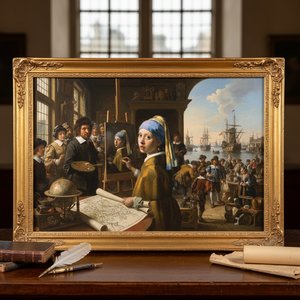
Golden Age Reflections: Dutch Baroque Painting & Cultural Innovation
Explore the Dutch Golden Age of painting! Discover key artists like Vermeer & ter Borch, their innovative techniques, and the rich cultural context behind these Baroque masterpieces. Learn about collecting & appreciating this iconic art period.

Dutch Baroque Unlocked: Mastering Chiaroscuro, Epic Drama, and the High-Impact Legacy of Rembrandt
Explore the dramatic power of Dutch Baroque art. Master the secrets of Rembrandt’s chiaroscuro, discover the epic scale of the Golden Age, and learn how to bring high-impact, hand-painted historical masterpieces into your modern collection with expert precision.

Топ 25 шедьовъра на Данте Габриел Росети: Изкуство, символизъм и красота за вашия дом
Открийте 25 шедьовъра на Данте Габриел Росети! Потопете се в света на прерафаелитизма, символизма и викторианската красота. Висококачествени репродукции за вашия дом – купете картини онлайн на AllPaintingsStore.com.

Gabriel Metsu: Illuminating Dutch Daily Life with Exquisite Detail
Explore the captivating world of Gabriel Metsu, a leading Dutch Golden Age painter. Discover his exquisite genre scenes, masterful realism, and insightful social commentary. Learn about key works & his lasting legacy.
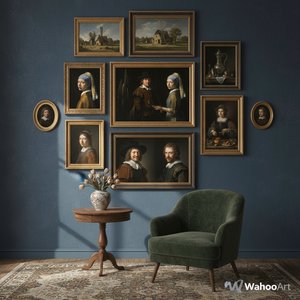
Топ 10 шедьоври на нидерландския барок: Изкуство за вашия дом от AllPaintingsStore
Разгледайте топ 10 шедьоври на нидерландския барок – Рембранд, Вермеер и други. Открийте историите зад картините, техниките и влиянието им върху изкуството. Музейно качество репродукции на AllPaintingsStore.com! Разгледайте пълната колекция онлайн.


