


 Преглед в реален мащаб
 Сподели
 Сподели
 Подробности
 Ръководство

 Изтегляне
 Подобни артикули
 Рентгенова снимка
 Слайдшоу
 Статистика
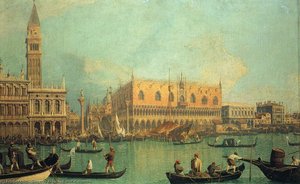
Piazza San Marco: the Clocktower
 Acrylic On Canvas
- WallArt
- Venetian topographical painting
 1730
1730 52.0 x 70.0 cm
 Музей на изкуствата Нейлън-Аткинс
 Разгърни целия текст
Ръчно изработена маслена репродукция
Ръчно рисувана маслена картина върху платно във вашия размер и рамка, изработена по поръчка от нашите художници. ( Избор на принт Превключване към дигитално изображение)




P118B $10

P118H $10

P118W $10

P438Z $10

P508JH $12

P508YH $12

P805H $10

P805Z $10

P919BZ $10

P919G $10

P919XJ $10

P959ZH $10

P968JZ $12

W106C $8

W218G $10

W218JH $8

W218Y $10

W307PJ $10

W316G $10

W316PJ $8

W316Y $10

W398PJ $8

W4111J $10

W500HY $15

W500JH $15

W692G $12

W849H $8

W940BG $15

W953PJ $8




Изберете от нашите предварително зададени размери, които съответстват на оригиналните пропорции на произведението.

Можете да въведете свои собствени размери, за да паснат на конкретна рамка или пространство. Ако избраният от вас размер не съответства на пропорциите на оригиналното изображение, ние ще изрежем произведението или ще разширим картината с допълнителни ръчно рисувани елементи. Дигитален макет ще бъде изпратен за ваше одобрение преди започване на производството.
Моля, обърнете внимание, че предпрогледа на екрана не отразява действителното изрязване или разширяване. Само макетът ще покаже точно финалната композиция.
Въпреки че са налични персонализирани размери, препоръчваме да изберете размер от предварително дефинирания списък, за да запазите оригиналните пропорции.
След получаване на поръчка, екипът на AllPaintingsStore.com ще изпрати имейл до клиента с инструкции и ще предостави примерен макет за преглед.
Доставка по целия свят () в рамките на 3-4 седмици вместо стандартните 5 седмици. (21 Септември). Без компромис с качеството.

Безплатна експресна доставка по целия свят

Висококачествено ленено платно

Пълно застраховане на доставката

Гаранция за възстановяване на митнически такси

Гаранция за пълно съответствие на цветовете

Политика за връщане в рамките на 100 дни (само при дефекти)

100% Гаранция за връщане на сумата

Отстъпка при поръчка на повече произведения
 Опцията със стъкло е налична само за размери под 110 см

Piazza San Marco: the Clocktower
Техника на репродукция
Размер на репродукцията
-


Крайна цена
$ 258
A Venetian Chronicle Captured in Paint: Canaletto’s Piazza San Marco Clocktower
Giovanni Antonio Canal, universally known as Canaletto, possessed an extraordinary gift – the ability to distill the vibrant essence of Venice onto canvas. His topographical paintings weren't mere depictions of a city; they were windows into its soul, capturing not just buildings and streets but also the rhythm of daily life, the play of light, and the spirit of its people. Among his most celebrated works stands “Piazza San Marco: the Clocktower,” a masterpiece painted around 1730 that offers an unparalleled glimpse into the heart of Venice’s grand public square. This isn't simply a landscape; it’s a meticulously observed chronicle, a testament to Canaletto’s keen eye and masterful technique.
The painting immediately draws the viewer in with its bustling scene. The Piazza San Marco is rendered not as an idealized vista but as a dynamic space teeming with activity. Pedestrians stroll along the cobblestones, merchants hawk their wares, and pigeons flutter overhead – all contributing to a palpable sense of life and movement. Dominating the composition is the magnificent clock tower (Torre dell’Orologio), a towering symbol of Venetian authority and civic pride. Its intricate carvings and imposing presence anchor the scene, drawing the eye upwards and establishing a visual hierarchy that guides the viewer's gaze.
The Art of Topography: Canaletto’s Technique
Canaletto’s signature style – “veduta” or topographical painting – demanded an unprecedented level of accuracy. Unlike many artists who prioritized idealized beauty, Canaletto meticulously documented the city as he saw it, striving for a faithful representation of its architecture and urban landscape. This commitment to realism is evident in every detail: the weathered facades of the buildings, the reflections shimmering on the water, the subtle variations in color that capture the changing light. He employed a technique of layering thin washes of paint, building up tones gradually to create a sense of depth and atmosphere. His use of perspective was remarkably sophisticated for his time, creating an illusion of space that convincingly mimics the real world.
Interestingly, speculation persists regarding Canaletto’s methods. While he undoubtedly possessed a keen eye and observational skills, some art historians believe he may have utilized a camera obscura – a device that projects an image onto a surface – to assist in achieving such precise detail. The subtle blurring of distant figures in the painting lends credence to this theory, suggesting a method for capturing atmospheric perspective with remarkable accuracy.
A Symbol of Venetian Power and Time
The clock tower itself is more than just a timepiece; it’s a potent symbol of Venice's enduring power and its connection to time. Constructed in the 15th century, it has witnessed centuries of Venetian history – from the Republic’s golden age to its eventual decline. The elaborate carvings adorning its facade depict scenes from Venetian mythology and history, reinforcing the city’s rich cultural heritage. The clock's hourly chimes were once a vital part of Venetian life, marking the passage of time and serving as a reminder of the city’s importance within the wider world.
Beyond its symbolic significance, the painting also offers a valuable historical record. It provides a snapshot of Venice in the early 18th century – a period of relative prosperity and artistic flourishing. The clothing worn by the citizens, the architecture of the buildings, and the bustling activity of the square all offer insights into the daily life of Venetian society at that time.
Capturing Emotion: A Window to the Soul
Despite its meticulous realism, “Piazza San Marco: the Clocktower” is not simply a technical exercise. Canaletto imbues the scene with a sense of warmth and vitality, capturing the joy and energy of Venetian life. The bright colors, the lively figures, and the overall composition create an inviting atmosphere that draws the viewer in. The painting evokes a feeling of nostalgia for a bygone era, transporting us back to a time when Venice was at its zenith – a vibrant hub of commerce, culture, and artistic innovation.
Today, reproductions of this iconic work continue to captivate audiences worldwide, offering a timeless glimpse into the heart of one of Europe’s most enchanting cities. It stands as a testament to Canaletto's genius and his enduring legacy as one of the greatest topographical painters in history.
Свързани произведения




Биография на художника
Giovanni Antonio Canal – The Master of Venetian Light
Giovanni Antonio Canal, universally known as Canaletto, was a pivotal figure in 18th-century art, a painter whose meticulous depictions of Venice and its surrounding landscapes continue to captivate viewers today. Born on October 18, 1697, in the heart of Venice, he inherited an artistic legacy from his father, Bernardo Canal, a skilled theatrical scene painter. This early exposure to visual storytelling and stagecraft undoubtedly shaped Canaletto’s later approach to capturing the dynamism and social life of his beloved city.
Canaletto's formative years were spent honing his craft under his father’s tutelage, learning the fundamentals of perspective, composition, and color. However, a significant turning point in his artistic development occurred when he traveled to Rome in 1718. There, he immersed himself in the vibrant world of Roman painting, encountering the techniques of Giovanni Paolo Pannini, a master of vedute – detailed views of urban landscapes. Pannini’s influence was profound; Canaletto adopted the veduta genre as his primary focus, dedicating his career to meticulously documenting Venice and its environs.
The Development of a Unique Style
Canaletto's signature style is instantly recognizable: a remarkable blend of precision, observation, and atmospheric quality. He was not merely a recorder of scenes; he sought to capture the *essence* of Venice – its light, its movement, its social fabric. His use of precise perspective, often achieved through painstaking preparatory drawings, combined with a masterful understanding of color and light, created images that were both accurate and deeply evocative.
A persistent debate surrounds Canaletto’s technique, particularly regarding the potential use of a camera obscura – a device that projects an image onto a surface. While some scholars believe he employed this tool to aid in achieving topographical accuracy, it's generally accepted that his primary focus remained on compositional design and capturing the overall mood of a scene. His meticulous attention to detail, combined with a keen eye for light and shadow, resulted in paintings that are remarkably realistic yet imbued with a sense of warmth and vitality.
Notable Works and Collaborations
Canaletto’s oeuvre is rich and diverse, encompassing cityscapes, portraits, and imaginary views. Among his most celebrated works are “The Stonemason’s Yard” (circa 1725), a vibrant depiction of daily life in a Venetian workshop; “Regatta on the Grand Canal” (1730s), a dynamic portrayal of a public ceremony; and “Eton College” (1746-1756), a meticulously rendered view of the prestigious English boarding school. His work in England, particularly during his collaboration with Joseph “Consul” Smith, proved exceptionally successful, bringing him widespread recognition and wealth.
A crucial element of Canaletto’s career was his close relationship with his nephew, Bernardo Bellotto. Bellotto became a talented artist in his own right, often working alongside Canaletto on large-scale projects, particularly in the years following his uncle's death. Their collaborative efforts resulted in a series of panoramic views of Venice and other cities, showcasing a shared artistic vision and technique.
Legacy and Influence
Canaletto’s legacy extends far beyond his own lifetime. His meticulous depictions of Venice profoundly influenced subsequent generations of artists, particularly the development of the “vedute” genre in Europe. His work is now housed in major museums around the world, including the National Gallery in London and the Getty Museum in Los Angeles, testament to his enduring artistic merit.
Canaletto’s paintings offer a unique window into 18th-century Venice – its bustling streets, its grand palaces, and its vibrant social life. They are not merely representations of a city; they are celebrations of light, color, and the human experience, solidifying his place as one of the most important landscape artists in European history.

Каналетто
1697 - 1768 , Италия
Бързи факти
- Artistic Movement Or Style: Ведуте Венеция
- Artists Or Movements Influenced By This Artist: ['Джовани Паоло Панини']
- Artists Who Influenced This Artist: ['Лука Карлеварис']
- Date Of Birth: 18 октомври 1697
- Date Of Death: 19 април 1768
- Full Name: Giovanni Antonio Canal
- Nationality: Италианец
- Notable Artworks:
- Кремарият двор
- Регата в големия канал
- Етон Колеж
- Place Of Birth: Венеция, Италия
Свързани статии

Italian Baroque Art: A Procurement Guide to Dramatic Masterpieces for High-End Hotel Interiors
Elevate hospitality interiors with Italian Baroque masterpieces. A professional procurement guide for hotel designers sourcing high-quality Caravaggio-style oil reproductions, multi-panel sets, and custom large-scale art with reliable global logistics and bulk order efficiency.

Italian Renaissance Art: A Procurement Guide to Timeless Masterpieces for High-End Hotel Interiors
A professional procurement guide for hotel designers seeking Italian Renaissance masterpieces. Discover how to utilize chiaroscuro, custom oil reproductions, and large-scale murals to elevate hospitality interiors with timeless, high-impact classical art.


