


 Преглед в реален мащаб
 Сподели
 Сподели
 Подробности
 Ръководство

 Изтегляне
 Подобни артикули
 Рентгенова снимка
 Слайдшоу
 Статистика
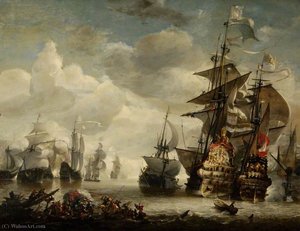
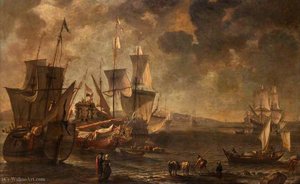
Italianate Harbour Scene with the Monument of Ferdinand I de’ Medici at Leghorn
 Разгърни целия текст
Ръчно изработена маслена репродукция
Ръчно рисувана маслена картина върху платно във вашия размер и рамка, изработена по поръчка от нашите художници. ( Избор на принт Превключване към дигитално изображение)




































Изберете от нашите предварително зададени размери, които съответстват на оригиналните пропорции на произведението.

Можете да въведете свои собствени размери, за да паснат на конкретна рамка или пространство. Ако избраният от вас размер не съответства на пропорциите на оригиналното изображение, ние ще изрежем произведението или ще разширим картината с допълнителни ръчно рисувани елементи. Дигитален макет ще бъде изпратен за ваше одобрение преди започване на производството.
Моля, обърнете внимание, че предпрогледа на екрана не отразява действителното изрязване или разширяване. Само макетът ще покаже точно финалната композиция.
Въпреки че са налични персонализирани размери, препоръчваме да изберете размер от предварително дефинирания списък, за да запазите оригиналните пропорции.
След получаване на поръчка, екипът на AllPaintingsStore.com ще изпрати имейл до клиента с инструкции и ще предостави примерен макет за преглед.
Доставка по целия свят () в рамките на 3-4 седмици вместо стандартните 5 седмици. (21 Септември). Без компромис с качеството.

Безплатна експресна доставка по целия свят

Висококачествено ленено платно

Пълно застраховане на доставката

Гаранция за възстановяване на митнически такси

Гаранция за пълно съответствие на цветовете

Политика за връщане в рамките на 100 дни (само при дефекти)

100% Гаранция за връщане на сумата

Отстъпка при поръчка на повече произведения
 Опцията със стъкло е налична само за размери под 110 см

Italianate Harbour Scene with the Monument of Ferdinand I de’ Medici at Leghorn
Техника на репродукция
Размер на репродукцията
-


Крайна цена
$ 258
Свързани произведения




Биография на художника
Johannes Vermeer: A Life Illuminated by Light
Johannes Vermeer, a name synonymous with quiet domesticity and luminous beauty, remains one of the most enigmatic and beloved figures in the history of Western art. Born in Delft, Netherlands, in 1632, his life was remarkably short – he died at just forty-three – yet within those brief years, he produced a collection of paintings that continue to captivate audiences with their intimate scenes, masterful use of light, and profound sense of observation. While initially overlooked by the art world, Vermeer’s work has since been rightfully recognized as a cornerstone of the Dutch Golden Age, offering a unique window into the lives and sensibilities of 17th-century Europe.
Vermeer's father, Reynier Jansz., was a silk weaver who later transitioned to an art dealer. This familial connection to the artistic world undoubtedly played a role in shaping Vermeer’s own path. He received some formal training, though the precise details remain shrouded in mystery – his teacher is unknown, and he appears to have largely self-taught. His marriage to Catharina Bolnes in 1653 brought him into a wealthier family circle, providing financial stability that allowed him to dedicate himself fully to painting. However, this union also led to a conversion from Protestantism to Catholicism, a significant shift that impacted his life and work.
The World of Delft: Setting and Subject Matter
Vermeer’s paintings are inextricably linked to the city of Delft, where he lived and worked throughout his entire career. Delft in the mid-17th century was a thriving center of commerce and craftsmanship – renowned for its exquisite Delftware pottery, its tapestry workshops, and its bustling market square. This vibrant urban landscape provided Vermeer with an endless source of inspiration, offering a rich tapestry of everyday life to depict. His subjects rarely venture beyond the confines of his modest home, focusing instead on scenes of domestic tranquility: women pouring milk, playing musical instruments, reading letters, or engaged in quiet contemplation.
These seemingly simple scenes are anything but straightforward. Vermeer was an obsessive observer, meticulously studying the effects of light and shadow, the textures of fabrics, and the subtle expressions on his subjects’ faces. He employed a technique known as *sfumato*, blurring lines and softening edges to create a sense of atmospheric depth and realism. His use of color is particularly noteworthy – he favored muted tones, often employing layers of thin glazes to achieve a remarkable luminosity that seems to emanate from within the paintings themselves.
Technique and Innovation
Vermeer’s artistic process was characterized by extraordinary patience and attention to detail. He worked slowly, often for months or even years on a single painting, meticulously layering paint upon paint to achieve his desired effects. He used an unusually large number of pigments – some sources suggest he employed more than any other Dutch painter of the era – and was particularly skilled at capturing the subtle nuances of light reflection. His mastery of *chiaroscuro*—the dramatic contrast between light and dark—is a hallmark of his style, creating a sense of drama and intimacy within each scene.
Interestingly, Vermeer’s work was initially overshadowed by that of other artists. During his lifetime, he was considered a moderately successful provincial genre painter, primarily known for his landscapes and portraits. It wasn't until the 19th century, thanks to the efforts of art historians like Gustav Friedrich Waagen and Théophile Thoré-Bürger, that Vermeer’s true genius began to be recognized. These scholars championed his work, highlighting its unique qualities and challenging the prevailing assumptions about Dutch painting.
Legacy and Enduring Appeal
Today, Johannes Vermeer is regarded as one of the greatest painters of all time. His paintings—a relatively small number, perhaps around forty-five—are treasured for their exquisite beauty, technical brilliance, and profound emotional resonance. Works like *Girl with a Pearl Earring*, *The Milkmaid*, and *View of Delft* have become iconic images, instantly recognizable and endlessly reproduced. Vermeer’s ability to capture the fleeting moments of everyday life, combined with his masterful use of light and color, continues to inspire artists and viewers alike.
Despite his obscurity during much of his lifetime, Vermeer's legacy endures as a testament to the power of observation, patience, and artistic vision. He remains a symbol of quiet genius—a master who illuminated the ordinary with extraordinary skill and grace.

hendrik van minderhout
1632 - 1696 , Netherlands
Бързи факти
- Artistic Movement Or Style: Genre painting, Dutch Golden Age
- Artists Or Movements Influenced By This Artist:
- Gustav Friedrich Waagen
- Théophile Thoré-Bürger
- Artists Who Influenced This Artist:
- Frans Hals
- Rembrandt
- Carel Fabritius
- Date Of Birth: October 1632
- Date Of Death: December 1675
- Full Name: Johannes Vermeer
- Nationality: Dutch
- Notable Artworks:
- Girl with a Pearl Earring
- The Milkmaid
- View of Delft
- Woman Holding a Balance
- Place Of Birth: Delft, Netherlands

