- Начало

- Възпроизведение на маслена картина
- Херонимъс Бош
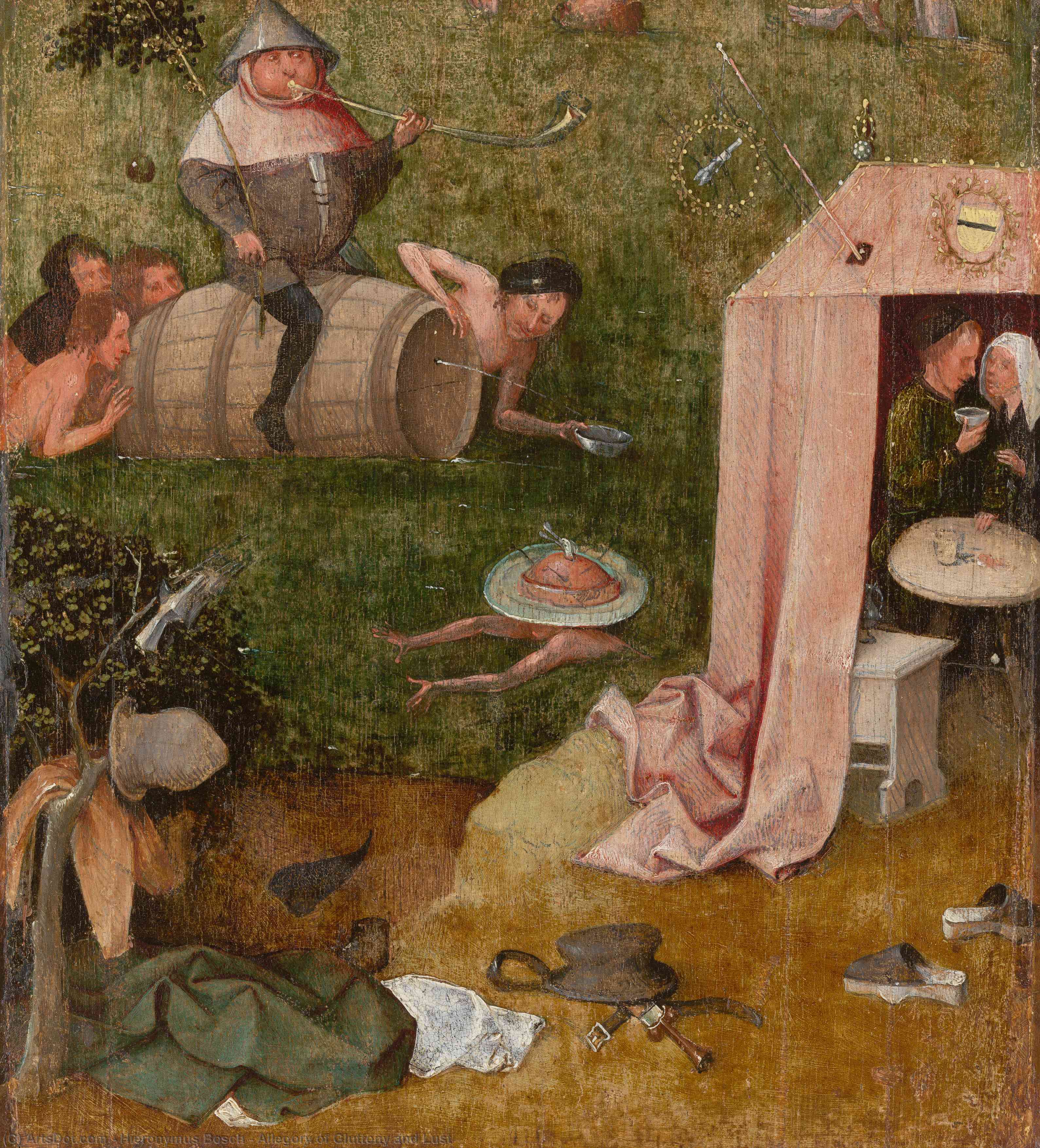
- Allegory of Gluttony and Lust
 Купи принт Купи изображение
 Изпрати
 Сподели
 Детайли
 Добавяне към любими

 Изтегляне
 Подобни
 Рентгенова снимка
 Слайдшоу
Allegory of Gluttony and Lust
 Масло
Масло- Стенопис
- Northern Renaissance
 Ренесанс
 36.0 x 32.0 cm
 Йейлски университетски художествен музей
 Прочетете повече
Ръчно изработена маслена репродукция
Ръчно рисувана маслена картина върху платно във вашия размер и рамка, изработена по поръчка от нашите художници.




P118B $10

P118H $10

P118W $10

P438Z $10

P508JH $12

P508YH $12

P805H $10

P805Z $10

P919BZ $10

P919G $10

P919XJ $10

P959ZH $10

P968JZ $12

W106C $8

W218G $10

W218JH $8

W218Y $10

W307PJ $10

W316G $10

W316PJ $8

W316Y $10

W398PJ $8

W4111J $10

W500HY $15

W500JH $15

W692G $12

W849H $8

W940BG $15

W953PJ $8




Изберете от предварително зададените размери, които съответстват на оригиналните пропорции на произведението.

Можете да въведете свои собствени размери, за да пасне на конкретна рамка или пространство. Ако избраният от вас размер не съответства на пропорциите на оригиналното изображение, ние ще изрежем произведението или ще удължим картината с допълнителни ръчно рисувани елементи. Дигитален макет ще бъде изпратен за ваше одобрение преди започване на производството.
Моля, обърнете внимание, че прегледът на екрана не отразява действителното изрязване или разширяване. Само макетът ще покаже точно финалния състав.
Въпреки че са налични персонализирани размери, препоръчваме да изберете размер от предварително дефинирания списък, за да запазите оригиналните пропорции.
След поръчка, екипът на AllPaintingsStore.com ще изпрати имейл на клиента за инструкции и ще предостави преглед на макет.
Доставка по целия свят () в рамките на 3/4 седмици вместо стандартните 5 седмици. (16 Юли). Без компромис с качеството.

Безплатна експресна доставка по целия свят

Висококачествено ленено платно

Пълно застраховане при доставка

Гаранция за възстановяване на митнически такси

Гаранция за цветова точност

60-Дневен период за връщане (Само при дефекти)

100% Гаранция за връщане на парите

Предложение за отстъпка при поръчка на едро
 Стъклото е налично само в размери под 110 см

Allegory of Gluttony and Lust
Репродукционен метод
Размер на репродукцията
-


Обща цена
-
Описание на произведението
Allegory of Gluttony and Lust: A Descent into Moral Chaos
Hieronymus Bosch, a titan of the Northern Renaissance, continues to fascinate audiences with his unsettling visions—paintings that transcend mere depiction and delve into the darkest recesses of human psychology. ‘Allegory of Gluttony and Lust,’ created around 1494, stands as a testament to Bosch’s unparalleled ability to fuse fantastical imagery with profound moral commentary. Measuring just 36 x 32 cm, this oil on panel masterpiece resides at Yale University Art Gallery, offering visitors an intimate glimpse into the artist's singular worldview.
- Composition and Symbolism: Bosch’s meticulous attention to detail is immediately apparent. At the center sits a man draped in a hat, perched atop a barrel—a deliberate staging of his predicament. He grasps a flute, seemingly attempting to distract from the grotesque feast unfolding before him; a visual representation of futile attempts at moral justification amidst overwhelming indulgence. Surrounding him are figures engaged in blatant sexual acts and hedonistic pursuits – a chaotic tableau designed to provoke contemplation on sin’s pervasive influence.
- Detailed Analysis: The painting is replete with symbolic objects—a wine glass and cup representing drunkenness, two bowls symbolizing the abundance of worldly pleasures, and a chair and dining table reinforcing the theme of excess. Furthermore, birds, fish, and frogs populate the background, each imbued with mythological significance and contributing to the overarching narrative of moral corruption.
- Historical Context: Bosch’s work emerged during a period marked by anxieties surrounding religious dogma and societal decay—a reaction against the opulent excesses of the Burgundian court. His distinctive style, blending grotesque realism with allegorical storytelling, positioned him at the forefront of artistic innovation, anticipating Surrealism centuries later.
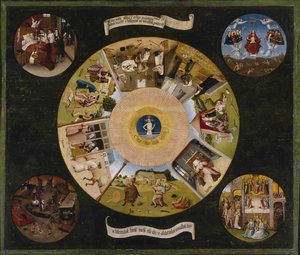
- Artistic Significance: ‘Allegory of Gluttony and Lust’ is a fragment of a larger triptych alongside ‘The Ship of Fools’ and ‘Death and the Miser,’ collectively representing the seven deadly sins. The missing central panel would have depicted the remaining sins—pride, envy, lust, anger, and sloth—completing Bosch's unflinching critique of human nature.
- Conservation & Provenance: Currently housed at Yale University Art Gallery, extensive scientific analysis—including dendrochronological studies—has confirmed its creation around 1494, refining our understanding of Bosch’s artistic trajectory. Its journey through history underscores its enduring value as a cultural artifact.
The palette leans heavily into earthy tones—ochre, umber, and Sienna—creating an atmosphere both unsettling and strangely inviting. Yet, flashes of vibrant blue and green punctuate the scene, injecting dynamism and highlighting Bosch’s masterful manipulation of color to convey emotion and symbolism. Viewing ‘Allegory of Gluttony and Lust’ is not merely observing a painting; it's embarking on a psychological exploration—a confrontation with humanity’s capacity for moral transgression.
This artwork inspires contemplation about the consequences of unchecked desire and the importance of ethical conduct. Its haunting imagery continues to resonate across centuries, cementing Bosch’s legacy as one of art history’s most visionary and disturbing geniuses. A reproduction offers a chance to experience this profound artistic statement firsthand—bringing Bosch's unsettling brilliance into any interior space.
Подобни произведения




Биография на художника
Hieronymus Bosch: A Netherlandish Enigma
Born around 1450 in the vibrant, bustling town of ’s-Hertogenbosch in the Netherlands—then part of Brabant—Hieronymus Bosch, originally Jheronimus van Aken, remains one of art history’s most compelling and mysterious figures. His world was steeped in late medieval religious fervor, folklore, and a growing sense of societal unease, all of which would profoundly shape his uniquely unsettling artistic vision. Coming from a family with a long tradition of painting—his grandfather, Jan van Aken, and father, Anthonius van Aken, were both artists—Bosch likely received his earliest training within the family workshop, absorbing the techniques and conventions of Netherlandish painting. However, even in his formative years, he began to diverge from established norms, hinting at the extraordinary imagination that would define his career. Biographical details are frustratingly scarce; records are fragmented, leaving much open to speculation and interpretation, adding to the aura of mystique surrounding both the man and his work. He married Aleyt Goyaerts van den Meerveen sometime before 1481, a union that provided him with some financial security through her family’s holdings, but little else is known about their personal life.Fantastical Visions and Symbolic Depths
Bosch's artistic style is instantly recognizable—a captivating blend of meticulous detail and wildly imaginative imagery. He primarily worked with oil on oak panels, demonstrating a masterful command of the medium, achieving luminous colors and intricate textures. While his early works show influences from traditional Netherlandish painting, particularly in their realism and attention to detail, he quickly moved beyond mere imitation, developing a profoundly original vision. His paintings are not simply representations of reality; they are allegorical landscapes populated by bizarre creatures, hybrid beings, and unsettling scenes that seem plucked from dreams—or nightmares. Religious themes form the core of much of his work, but these are rarely straightforward depictions of biblical stories. Instead, Bosch uses symbolism to explore complex moral and theological concepts, often focusing on the dangers of sin, the fragility of earthly pleasures, and the inevitability of divine judgment. His creatures—grotesque demons, fantastical animals, and strangely human figures—are not merely decorative elements; they are embodiments of vice, temptation, and spiritual corruption. The blending of the sacred and the profane, the beautiful and the grotesque, creates a uniquely unsettling effect that continues to captivate viewers centuries later.Masterpieces of Moral Allegory
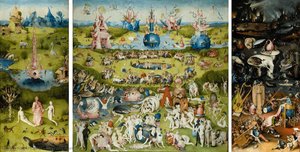
Among Bosch’s most celebrated achievements is The Garden of Earthly Delights (c. 1490-1510), a triptych that remains one of the most enigmatic and debated works in art history. When opened, it presents a panoramic vision of paradise, earthly life, and hell—a complex allegorical representation of humanity’s fall from grace. The left panel depicts the Garden of Eden, teeming with fantastical creatures and lush vegetation; the central panel portrays a world consumed by sensual pleasure and unrestrained desire; and the right panel offers a terrifying glimpse into the torments of hell. The Triptych of the Last Judgement (c. 1480-1490) is another powerful example of his skill in portraying both heavenly bliss and infernal torment, while The Ascent of the Blessed (c. 1480-1490) demonstrates his ability to create ethereal and dreamlike scenes. Even smaller works like Epiphany (c. 1495) showcase his innovative use of oil on wood and complex symbolism, revealing a mind constantly grappling with profound questions about faith, morality, and the human condition.Influences and Artistic Development
Identifying Bosch’s direct influences is a challenging task, given the originality of his vision. Scholars suggest possible connections to medieval folklore, religious texts—particularly those emphasizing apocalyptic themes—and the prevailing anxieties of the time, including fears of heresy and social upheaval. However, it's clear that he synthesized these elements into something entirely new and uniquely his own. His style evolved over time, moving from more conventional Netherlandish painting towards a highly personalized and symbolic language. Early works show influences from artists like Rogier van der Weyden and Robert Campin, but as Bosch matured, he developed a distinctive approach characterized by meticulous detail, complex compositions, and a fascination with the grotesque. The influence of his family’s artistic legacy is undeniable, but Bosch ultimately forged his own path, creating an oeuvre that defies easy categorization.Legacy and Enduring Influence
Bosch's work has had a profound and lasting impact on art history. He is considered one of the pioneers of Surrealism, inspiring generations of artists with his dreamlike imagery and exploration of the subconscious. Artists like Salvador Dalí and Max Ernst openly acknowledged their debt to his unsettling visions. His paintings continue to be studied and debated by scholars today, offering valuable insights into the religious, social, and psychological climate of the late 15th and early 16th centuries. Bosch’s legacy extends far beyond the art world; his images have become iconic symbols of human folly, moral corruption, and the eternal struggle between good and evil. His paintings serve as a powerful reminder of the complexities of the human condition and the enduring power of art to provoke thought and inspire wonder.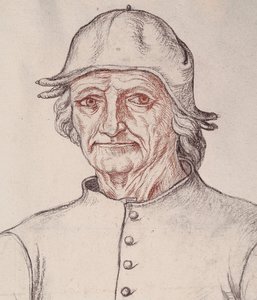
Херонимъс Бош
1450 - 1516 , Нидерландия
Бързи факти
- Artistic Movement Or Style: Сюрреализъм, Символизъм
- Artists Or Movements Influenced By This Artist: ['Питер Брюгхел старши']
- Date Of Birth: c. 1450
- Date Of Death: 1516
- Full Name: Hieronymus Bosch
- Nationality: Нидерландски
- Notable Artworks:
- Градина на земните удоволствия
- Последното съждение
- Изкачването на благочестивите
- Place Of Birth: Den Bosch, Нидерландия
Всички статии

Decoding the Visual Language: A Comprehensive Exploration of Symbolism in Art History for the Discerning Collector
Unlock the hidden meanings within masterpieces! Explore art symbolism with AllPaintingsStore.com's expert guide. Understand iconography, historical context & elevate your collecting knowledge. Discover insights for discerning collectors.

Unveiling Hidden Meanings: Allegory in Western Art History
Explore the rich history of allegory in Western art! Discover hidden meanings in masterpieces from Giotto to Bosch & beyond. Expert insights for collectors and enthusiasts at AllPaintingsStore.

Hieronymus Bosch: Decoding the Visions of a Netherlandish Master
Explore the captivating world of Hieronymus Bosch! Delve into the symbolism, religious context, and artistic innovation of this Netherlandish master with AllPaintingsStore's expert analysis. Discover his iconic paintings & lasting influence.
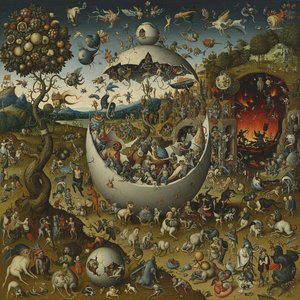
Топ 25 шедьовъра на Хиероним Бош: Разгадаване на символите в изкуството за вашия дом
Разгадайте мистериите на Хиероним Бош с топ 25 негови шедьовъра! Открийте символизма, историята и техниките зад всяка картина. Репродукции за вашия дом – AllPaintingsStore.com.

Топ 10 шедьоври в масло върху дърво, променили изкуството завинаги | AllPaintingsStore.com
Открийте 10 легендарни шедьоври в масло върху дърво, променили изкуството завинаги! Разгледайте историите на Ван Ейк, Бош и други майстори. Луксозни репродукции за вашия дом – AllPaintingsStore.com