


 Преглед в реален мащаб
 Сподели
 Сподели
 Подробности
 Ръководство

 Изтегляне
 Подобни артикули
 Рентгенова снимка
 Слайдшоу
 Статистика
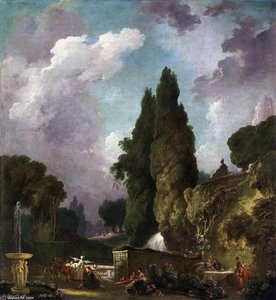
The Progress of Love: The Meeting


 Разгърни целия текст
Ръчно изработена маслена репродукция
Ръчно рисувана маслена картина върху платно във вашия размер и рамка, изработена по поръчка от нашите художници. ( Избор на принт Превключване към дигитално изображение)




P118B $10

P118H $10

P118W $10

P438Z $10

P508JH $12

P508YH $12

P805H $10

P805Z $10

P919BZ $10

P919G $10

P919XJ $10

P959ZH $10

P968JZ $12

W106C $8

W218G $10

W218JH $8

W218Y $10

W307PJ $10

W316G $10

W316PJ $8

W316Y $10

W398PJ $8

W4111J $10

W500HY $15

W500JH $15

W692G $12

W849H $8

W940BG $15

W953PJ $8




Изберете от нашите предварително зададени размери, които съответстват на оригиналните пропорции на произведението.

Можете да въведете свои собствени размери, за да паснат на конкретна рамка или пространство. Ако избраният от вас размер не съответства на пропорциите на оригиналното изображение, ние ще изрежем произведението или ще разширим картината с допълнителни ръчно рисувани елементи. Дигитален макет ще бъде изпратен за ваше одобрение преди започване на производството.
Моля, обърнете внимание, че предпрогледа на екрана не отразява действителното изрязване или разширяване. Само макетът ще покаже точно финалната композиция.
Въпреки че са налични персонализирани размери, препоръчваме да изберете размер от предварително дефинирания списък, за да запазите оригиналните пропорции.
След получаване на поръчка, екипът на AllPaintingsStore.com ще изпрати имейл до клиента с инструкции и ще предостави примерен макет за преглед.
Доставка по целия свят () в рамките на 3-4 седмици вместо стандартните 5 седмици. (21 Септември). Без компромис с качеството.

Безплатна експресна доставка по целия свят

Висококачествено ленено платно

Пълно застраховане на доставката

Гаранция за възстановяване на митнически такси

Гаранция за пълно съответствие на цветовете

Политика за връщане в рамките на 100 дни (само при дефекти)

100% Гаранция за връщане на сумата

Отстъпка при поръчка на повече произведения
 Опцията със стъкло е налична само за размери под 110 см

The Progress of Love: The Meeting
Техника на репродукция
Размер на репродукцията
-


Крайна цена
$ 258
A Delicate Dance of Love and Light: Exploring Jean-Honoré Fragonard’s “The Progress of Love”
The painting "The Progress of Love: The Meeting," executed by Jean-Honoré Fragonard in 1773, stands as a quintessential emblem of Rococo artistry—a movement characterized by opulent ornamentation, pastel hues, and an emphasis on sensual pleasure. Commissioned for the Comtesse du Barry’s pavilion at Versailles, it encapsulates not merely a visual depiction but also a reflection of the aristocratic sensibilities of Louis XV's reign, capturing the fleeting beauty and ephemeral nature of romantic desire.- Subject Matter & Narrative: Fragonard skillfully portrays a scene brimming with youthful exuberance—a woman seated on the ground, her gaze fixed upwards towards a man standing before her. The gesture is one of invitation, anticipation, and unspoken longing, mirroring the very essence of burgeoning romance. Surrounding them are figures engaged in playful activities – musicians playing instruments, dancers swirling amidst blossoms – creating an atmosphere of carefree delight and aristocratic indulgence.
- Style & Technique: Fragonard’s signature style is instantly recognizable through its airy brushstrokes, delicate coloration, and masterful use of chiaroscuro—the interplay between light and shadow—to sculpt form and imbue the scene with a palpable sense of warmth. The artist employs loose, flowing lines that prioritize movement and grace, mirroring the dynamism inherent in the subject matter.
- Symbolism: Floral motifs dominate the composition – roses, lilies, and jasmine – representing purity, devotion, and fertility. The woman’s handbag serves as a subtle reminder of worldly concerns juxtaposed against the idealized realm of love, highlighting the complexities inherent in human relationships.
Свързани произведения




Биография на художника
A Life Bathed in Light: The World of Jean-Honoré Fragonard
Born amidst the fragrant fields of Grasse, France, in 1732, Jean-Honoré Fragonard’s artistic journey began not with grand ambition but a quiet relocation to Paris with his family. It was there, under the initial guidance of Jean Siméon Chardin – a master of everyday life and subtle observation – that young Fragonard first encountered the possibilities of paint and canvas. However, it was within the atelier of François Boucher, the celebrated painter to the court of Louis XV, that his true stylistic foundations were laid. Boucher’s influence instilled in Fragonard a love for graceful forms, delicate colors, and the playful spirit that would come to define his oeuvre. Winning the prestigious Prix de Rome in 1752 marked a pivotal moment, affording him the opportunity to immerse himself in the classical world of Italy for several years. This period wasn’t merely about copying ancient masters; it was an awakening – a chance to absorb the vibrancy and sensuality that would later infuse his own unique vision.The Rococo Master: A Celebration of Pleasure and Intrigue
Upon returning to Paris, Fragonard swiftly established himself as a leading figure in the burgeoning Rococo movement. This wasn’t simply about adopting a style; it was about embodying an entire worldview – one that celebrated pleasure, intimacy, and the fleeting beauty of life. His paintings weren't intended for grand public display but rather for the private salons of aristocrats seeking works that whispered secrets and hinted at hidden desires. *The Swing*, perhaps his most iconic creation, perfectly encapsulates this spirit. A young woman playfully kicks off her shoe as a bishop pushes her swing, while a hidden lover gazes up from below – it’s a scene brimming with mischievous energy and veiled eroticism. Other works like *The Bolt* and *Love Vow* continue this exploration of clandestine encounters and the delicate dance between attraction and restraint. Fragonard didn't merely depict scenes of love; he created an atmosphere, a mood – one that was both alluring and slightly dangerous. His brushwork became increasingly fluid and spontaneous, capturing not just appearances but also the very essence of fleeting moments. He skillfully blended light and shadow, creating a sense of movement and drama within his compositions, while his use of pastel colors evoked a feeling of lightness and airiness.Beyond the Salon: Experimentation and Evolving Styles
While Fragonard achieved considerable success within the established art world, he wasn’t one to remain confined by its conventions. He experimented with different genres and techniques throughout his career, demonstrating a remarkable versatility. His early attempts at history painting, though initially praised, didn't fully satisfy him; he found greater freedom in exploring more intimate and personal subjects. A brief flirtation with Neoclassicism – evident in portraits like that of Denis Diderot – showcased his willingness to engage with contemporary artistic trends, but it was the Rococo sensibility that ultimately defined his legacy. He also excelled as a draftsman, producing countless sketches and drawings that reveal his masterful command of line and form. These weren’t merely preparatory studies; they were often works of art in their own right, capturing fleeting impressions and intimate moments with remarkable sensitivity. His drawings are characterized by a loose, expressive style, reflecting his fluid approach to painting.Influences and Artistic Connections
Fragonard's artistic development was shaped by a number of key influences. The meticulous observation and subtle realism of Jean Siméon Chardin provided him with a foundation in depicting everyday life, while François Boucher’s opulent style and mastery of color instilled in him a love for decorative effects and theatrical composition. The Italian Renaissance, particularly the works of artists like Raphael and Titian, profoundly impacted his understanding of perspective, anatomy, and the use of light and shadow. He was also deeply influenced by the work of Rubens, whose dynamic brushwork and sensual depictions of figures served as an inspiration for Fragonard’s own approach to painting. Furthermore, he maintained close relationships with other prominent artists of his time, including Jean-Honoré Lormes, who collaborated with him on several projects.A Legacy Enduring Through Time
The French Revolution brought a dramatic shift in artistic tastes, and Fragonard's lighthearted, aristocratic style fell out of favor. He retreated to his hometown of Grasse for a time, returning to Paris only after the political turmoil subsided. Though he held administrative positions at the Louvre during this period, his creative output diminished. However, his influence continued to resonate through subsequent generations of artists. His emphasis on color, light, and sensuality paved the way for Impressionism, while his playful spirit and rejection of academic constraints inspired a more liberated approach to artmaking. Today, Fragonard’s works are celebrated in museums around the world – from the Louvre in Paris to the National Gallery of Art in Washington D.C. His paintings continue to captivate audiences with their beauty, wit, and enduring appeal, reminding us of a time when life was meant to be savored, and pleasure was considered an art form itself.Notable Works & Collections
- The Swing (L'Escarpolette): Wallace Collection, London – A quintessential example of Rococo exuberance.
- The Bolt: View on AllPaintingsStore - A captivating scene of domestic intrigue and playful tension.
- Love Vow: Discover more about Fragonard’s works on AllPaintingsStore – A tender depiction of romantic commitment.
- Young Girl Reading: Featured in artworks databases, showcasing his mastery of portraiture and light.
- Works are also prominently displayed at the Musée du Louvre, Grasse Cathedral, The Metropolitan Museum of Art, and The Frick Collection.

Жан Оноре Фрагонар
1732 - 1806 , Франция
Бързи факти
- Artistic Movement Or Style: Рококо
- Artists Or Movements Influenced By This Artist:
- Неокласицизъм
- Барок
- Artists Who Influenced This Artist:
- François Boucher
- Charles-André van Loo
- Date Of Birth: 4 април 1732
- Date Of Death: 22 август 1806
- Full Name: Jean-Honoré Fragonard
- Nationality: Френски
- Notable Artworks:
- Люлката
- Млада жена с книга
- Роза Аделаида Дюкруа
- Place Of Birth: Грас, Франция
Свързани статии

The Allure of Elegance in Art: A Historical & Aesthetic Exploration of Refinement & Grace
Explore the exquisite world of Rococo art! Discover its history, masters (Watteau, Boucher & more), and defining elegance. Expert insights for collectors seeking museum-quality reproductions & custom portraits.

The Rococo Reverie of Fragonard: Love, Leisure & Pleasure in 18th-Century France
Explore the captivating world of Jean-Honoré Fragonard! Discover his Rococo masterpieces, intimate portraits & the allure of 18th-century French art. Learn about 'The Progress of Love' and more at AllPaintingsStore.

Топ 10 шедьоври на Рококото: Изкуство за вашия дом от AllPaintingsStore.com
Разгледайте топ 10 шедьоври на Рококото – Вато, Буше, Фрагонар и други! Открийте историите зад тези емблематични картини и вдъхнете елегантност във вашия дом с репродукции от AllPaintingsStore.com. Разгледайте пълната колекция онлайн.

The Elegance of Rococo: A Curated Guide to France's Most Ornate Art Movement
Discover the exquisite allure of Rococo art. Explore a curated guide to 18th-century French masterpieces, from Watteau to Fragonard, and learn how hand-painted oil reproductions can bring timeless elegance and luxury to your sophisticated interior design collection.
The Rococo Aesthetic: Opulence, Rebellion & the Pursuit of Pleasure in 18th-Century Art
Explore the opulent world of Rococo art! Discover its origins, key artists like Watteau & Boucher, and lasting influence on design. Expert insights for collectors & enthusiasts.


