


 Преглед в реален мащаб
 Сподели
 Сподели
 Подробности
 Ръководство

 Изтегляне
 Подобни артикули
 Рентгенова снимка
 Слайдшоу
 Статистика
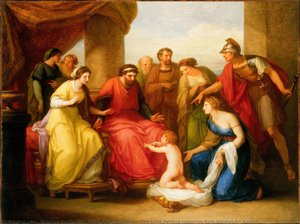
Priam Returning to His Family with the Dead Body of Hector


 Разгърни целия текст
Ръчно изработена маслена репродукция
Ръчно рисувана маслена картина върху платно във вашия размер и рамка, изработена по поръчка от нашите художници. ( Избор на принт Превключване към дигитално изображение)




P118B $10

P118H $10

P118W $10

P438Z $10

P508JH $12

P508YH $12

P805H $10

P805Z $10

P919BZ $10

P919G $10

P919XJ $10

P959ZH $10

P968JZ $12

W106C $8

W218G $10

W218JH $8

W218Y $10

W307PJ $10

W316G $10

W316PJ $8

W316Y $10

W398PJ $8

W4111J $10

W500HY $15

W500JH $15

W692G $12

W849H $8

W940BG $15

W953PJ $8




Изберете от нашите предварително зададени размери, които съответстват на оригиналните пропорции на произведението.

Можете да въведете свои собствени размери, за да паснат на конкретна рамка или пространство. Ако избраният от вас размер не съответства на пропорциите на оригиналното изображение, ние ще изрежем произведението или ще разширим картината с допълнителни ръчно рисувани елементи. Дигитален макет ще бъде изпратен за ваше одобрение преди започване на производството.
Моля, обърнете внимание, че предпрогледа на екрана не отразява действителното изрязване или разширяване. Само макетът ще покаже точно финалната композиция.
Въпреки че са налични персонализирани размери, препоръчваме да изберете размер от предварително дефинирания списък, за да запазите оригиналните пропорции.
След получаване на поръчка, екипът на AllPaintingsStore.com ще изпрати имейл до клиента с инструкции и ще предостави примерен макет за преглед.
Доставка по целия свят () в рамките на 3-4 седмици вместо стандартните 5 седмици. (21 Септември). Без компромис с качеството.

Безплатна експресна доставка по целия свят

Висококачествено ленено платно

Пълно застраховане на доставката

Гаранция за възстановяване на митнически такси

Гаранция за пълно съответствие на цветовете

Политика за връщане в рамките на 100 дни (само при дефекти)

100% Гаранция за връщане на сумата

Отстъпка при поръчка на повече произведения
 Опцията със стъкло е налична само за размери под 110 см

Priam Returning to His Family with the Dead Body of Hector
Техника на репродукция
Размер на репродукцията
-


Крайна цена
$ 458
A Neoclassical Elegy of Grief and Honor
In the quiet, somber halls of art history, few works capture the intersection of personal tragedy and civic virtue as poignantly as John Trumbull’s 1785 masterpiece, Priam Returning to His Family with the Dead Body of Hector. This oil on canvas is not merely a depiction of a scene from Homer’s Iliad; it is a profound meditation on the heavy price of war and the enduring strength of familial bonds. As King Priam enters his devastated household, bearing the lifeless form of his beloved son Hector, the viewer is thrust into a moment of raw, monumental sorrow. Trumbull, an artist deeply attuned to the emotional weight of classical narratives, manages to transform a legendary moment of Trojan tragedy into a universal study of loss that resonates across centuries.
The painting’s technical execution is a masterclass in Neoclassical precision and dramatic lighting. Trumbull employs a sophisticated use of chiaroscuro, creating sharp, intentional contrasts between deep, enveloping shadows and brilliant highlights that dance across the central figures. This technique does more than provide depth; it directs the eye with surgical accuracy to the pallor of Hector’s skin and the weathered, anguished features of Priam. The artist’s brushwork, particularly in the heavy drapery and the textured surfaces of the architectural setting, utilizes subtle impasto to lend a palpable sense of physicality to the scene. Every fold of fabric and every shadow cast by the surrounding columns feels weighted with the gravity of the moment, inviting the observer to feel the very atmosphere of mourning.
Symbolism and the Spirit of an Era
Beyond its immediate emotional impact, the composition is steeped in the intellectual currents of the late 18th century. Trumbull utilizes a stable, pyramidal composition—a hallmark of Neoclassical design—to instill the scene with a sense of architectural dignity and permanence. This structural choice mirrors the grandeur of Roman temples, serving as a deliberate allusion to the republican ideals of honor, duty, and moral fortitude that were being championed during the American revolutionary era. For Trumbull, a man whose life was inextricably linked to the birth of a new nation, the themes of sacrifice and the consequences of conflict found in the Trojan War held a mirror to the contemporary struggles for liberty and the heavy responsibilities of leadership.
The symbolism within the work is both subtle and profound. The interplay between the organic, broken forms of the grieving figures and the rigid, geometric lines of the classical architecture creates a tension between human vulnerability and the enduring structures of civilization. For collectors and interior designers, this painting offers more than just aesthetic beauty; it provides a focal point of intellectual depth. It is a piece that commands attention through its narrative complexity, making it an ideal centerpiece for spaces designed to evoke contemplation, reverence, and a sophisticated appreciation for historical grandeur. To possess a reproduction of such a work is to bring a fragment of classical epic and revolutionary spirit into the modern home.
Свързани произведения




Биография на художника
A Life Etched in Revolution: The World of John Trumbull
John Trumbull, a name synonymous with the visual narrative of America’s birth, was more than just a painter; he was a witness, a soldier, and a chronicler of a nation forging its identity. Born in Lebanon, Connecticut, in 1756, into a family steeped in patriotic fervor – his father, Jonathan Trumbull, served as governor throughout the Revolutionary War – young John’s destiny seemed intertwined with the unfolding drama of independence. A childhood accident tragically cost him the use of one eye, yet this perceived limitation may have paradoxically sharpened his observational skills, contributing to the meticulous detail that would become a hallmark of his artistic style. His early education at Harvard College further cultivated a mind primed for both intellectual rigor and creative expression. Even before fully embracing his calling as an artist, Trumbull’s life was already imbued with a sense of duty and service, sketching fortifications during the Siege of Boston – a foreshadowing of his future role in immortalizing the Revolution on canvas.From Battlefield to Brushstroke: Artistic Formation and Influences
The path to becoming “the Painter of the Revolution” wasn’t immediate. Financial constraints initially led Trumbull down various avenues, but the pull towards art proved irresistible. In 1780, he embarked on a journey to London, seeking tutelage under the esteemed Benjamin West, an American expatriate who had achieved prominence as a history painter. West recognized Trumbull’s potential and encouraged him to focus on scenes from the War of Independence, suggesting smaller-scale works and miniature portraits – a practical approach that allowed Trumbull to hone his skills while establishing a clientele. Over the course of his career, he produced approximately 250 miniatures, demonstrating remarkable versatility and precision. However, West’s influence extended beyond technique; he instilled in Trumbull an appreciation for classical history painting, inspiring him to imbue his work with dramatic composition and allegorical depth. This fusion of historical accuracy and artistic grandeur would define Trumbull's mature style. The experience wasn’t without hardship; a brief but alarming arrest on suspicion of espionage – retaliation for the execution of Major André – forced a temporary retreat from British society, yet ultimately solidified his commitment to portraying the American cause.Immortalizing Independence: Masterpieces and Historical Significance
Trumbull’s most enduring legacy lies in his monumental historical paintings, particularly those that now grace the Capitol Rotunda. The Declaration of Independence, perhaps his most iconic work, is a carefully constructed tableau depicting the momentous occasion with remarkable fidelity. It's not merely a record of who was present but an attempt to capture the gravity and solemnity of the event. Famously, this painting found its way onto the reverse of the two-dollar bill, cementing its place in American iconography. Other significant works include The Surrender of Cornwallis at Yorktown, The Surrender of General Burgoyne, and George Washington before the Battle of Trenton. These paintings weren’t simply artistic endeavors; they were acts of national commemoration, designed to inspire patriotism and solidify a shared historical narrative. Trumbull meticulously researched each scene, consulting with veterans and studying contemporary accounts to ensure accuracy. His preparatory sketches, like the Study for Surrender of Cornwallis at Yorktown, reveal his painstaking planning process and dedication to detail. In an era devoid of photographic documentation, Trumbull’s paintings served as invaluable visual records, shaping public understanding of the Revolution and its key figures.A Lasting Legacy: Collections and Enduring Influence
John Trumbull's contributions extend beyond his celebrated canvases. He was a staunch advocate for the arts in America, serving as president of the American Academy of Fine Arts from 1816 to 1835, tirelessly working to foster a vibrant artistic community within the young nation. His paintings are now held in prestigious institutions across the country, including Yale University Art Gallery, the Smithsonian American Art Museum, and the Virginia Museum of Fine Arts, ensuring their accessibility for generations to come. The prominent display of his works within the United States Capitol serves as a lasting tribute to his dedication to both art and history.- His paintings continue to inspire artists and historians alike.
- They offer invaluable insights into the aesthetics and ideals of the early American republic.
- Trumbull’s commitment to historical accuracy set a precedent for future generations of American historical painters.

Джон Тръмбъл
1756 - 1843 , Великобритания
Бързи факти
- Artistic Movement Or Style: Исторически живопис
- Artists Who Influenced This Artist: ['Бенджамин Уест']
- Date Of Birth: Юни 6, 1756 г.
- Date Of Death: 1843 г.
- Full Name: John Trumbull
- Nationality: Американски
- Notable Artworks:
- Декларацията за независимост
- Сдача на Корнвалс
- Джордж Вашингтон при Трентън
- Place Of Birth: Льобан, САЩ
Свързани статии

Neoclassical Portraiture: A Procurement Guide to Timeless Elegance for Luxury Hotel Interiors
A professional procurement guide for hotel designers sourcing Neoclassical portraiture. Discover how to integrate timeless elegance into luxury interiors with high-volume, hand-painted oil reproductions, custom sizing, and reliable global logistics for large-scale hospitality projects.

