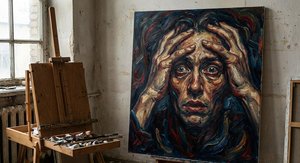
1915. Acrylic On Canvas.

§ 1Catalogue data


Това произведение е защитено от авторско право
Изкуството, представено на тази страница, е защитено от законите за авторско право, което означава, че не можем законно да създаваме или продаваме идентични репродукции. Тази защита се прилага съгласно международни споразумения като Бернска конвенция и от националното законодателство, включително разпоредбите на Закон за авторското право на САЩ – Раздел 17.
Като уважителна и законна алтернатива, ние предлагаме изработени по поръчка, ръчно рисувани произведения на изкуството, вдъхновени от оригинала. Нашите умени и професионални артисти внимателно изучават стила, настроението и артистичната същност на оригиналното произведение, за да създадат ново, уникално творческо произведение, което предизвиква същото чувство – оставайки в същото време самостоятелно оригинално творение.
Този метод е напълно съвместим с законите за авторско право, тъй като не включва копиране или дублиране на защитеното произведение. Вместо това става въпрос за творческа реинтерпретация – нова картина, която е вдъхновена от оригинала, но не е идентична с него.
 Прочетете повече
§ 2Abstract
Описание на колекционерския предмет
The painting depicts a man standing on a rooftop amidst fantastical imagery – flying figures, animals, and a prominent clock – reflecting Chagall’s signature dreamlike style and capturing the spirit of Vitebsk's multicultural heritage.
Биография на художника
Открийте света на Марк Шагал - руско-френски художник, чиито мечтателни картини и витражи съчетават еврейска традиция и модерно изкуство! Разгледайте неговото наследство.
§ 3Commentary
A Symphony of Color and Memory: Exploring Marc Chagall's "I Am Alone"
Marc Chagall’s “I Am Alone,” painted in 1915, isn’t merely a depiction of solitude; it’s an embodiment of existential angst rendered in the breathtaking language of Expressionism. Created during the turbulent years preceding World War I—a period marked by anxieties about national identity and impending conflict—the painting transcends its immediate historical context to speak to universal themes of isolation and longing. It's housed in the Musée d'Orsay, Paris, a testament to Chagall’s enduring influence on modern art.- Subject Matter: The canvas portrays a man standing alone on a rooftop amidst a swirling panorama of fantastical figures—a woman with outstretched arms, a child perched precariously on the edge of the roof, and several other stylized individuals drifting upwards into the heavens.
- Style: Chagall’s style is unmistakably Expressionist. Rejecting representational accuracy in favor of emotional intensity, he employs bold colors—primarily yellows, blues, and reds—to convey mood and feeling rather than to faithfully reproduce reality. The figures themselves are distorted and stylized, imbued with a dreamlike quality that defies logical interpretation.
Technique: Bold Brushstrokes and Layered Color
Chagall’s technique is characterized by thick, impasto brushstrokes—meaning the paint is applied in layers so thickly that it stands up prominently from the surface of the canvas. This textural approach contributes significantly to the painting's dramatic impact, creating a palpable sense of movement and conveying the artist’s emotional state directly onto the artwork. The colors are blended strategically to create luminous washes and vibrant accents, enhancing the overall visual richness.- Color Palette: The dominant hues—golden yellows symbolizing warmth and optimism juxtaposed with deep blues representing melancholy and uncertainty—are deliberately chosen to evoke specific emotions. Chagall’s masterful use of color underscores the painting's psychological depth.
- Composition: The rooftop setting serves as a focal point, anchoring the swirling figures and emphasizing the man’s isolation. The upward trajectory of the figures symbolizes aspiration but also hints at vulnerability—a yearning for connection amidst overwhelming circumstances.
Symbolism: Folklore and Existential Concerns
“I Am Alone” is replete with symbolic references drawn from Jewish folklore and Kabbalah—the mystical tradition of Judaism. The woman with outstretched arms represents compassion and maternal care, while the child symbolizes innocence and vulnerability. The swirling figures embody the chaotic forces of fate and the anxieties surrounding impending war. More broadly, the painting explores profound existential questions about human existence—questions concerning identity, purpose, and the inevitability of suffering.Ultimately, Chagall’s “I Am Alone” transcends its historical origins to resonate with viewers across generations. It's a hauntingly beautiful meditation on solitude, loss, and the enduring quest for meaning—a masterpiece that continues to inspire awe and provoke contemplation decades after its creation.
Въпроси и отговори
Цветовете на „Marching“ на Марк Шагал наситени или приглушени ли са?
Палитрата на "Marching" е с Clear Color Presence наситене.
Каква наситенност и интензивност притежава „Marching“ на Марк Шагал?
Цветът на „Marching“ е с Clear Color Presence наситеност и с Vivid интензивност.
Каква цветова хармония демонстрира „Marching“ на Марк Шагал?
Цветовете на „Marching“ на Марк Шагал излъчват Discordant Palette хармония. Хармонията описва начина, по който цветовете се съотнасят един спрямо друг.



 Превключване към принт


 За произведения на изкуството или репродукции, чийто размер е над 105 см (приблизително 41 инча) във всяка страна, рамката ще бъде изпратена в разглобен вид като комплект за сглобяване. Този метод гарантира безопасна доставка и предотвратява повреди по време на транспортиране.