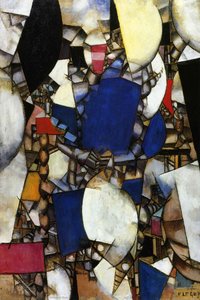
1911. Acrylic, 91.0 x 127.0 cm.

§ 1Каталожни данни

- 91.0 x 127.0 cm


Това произведение е защитено от авторско право
Изкуството, представено на тази страница, е защитено от законите за авторско право, което означава, че не можем законно да създаваме или продаваме идентични репродукции. Тази защита се прилага съгласно международни споразумения като Бернска конвенция и от националното законодателство, включително разпоредбите на Закон за авторското право на САЩ – Раздел 17.
Като уважителна и законна алтернатива, ние предлагаме изработени по поръчка, ръчно рисувани произведения на изкуството, вдъхновени от оригинала. Нашите умени и професионални артисти внимателно изучават стила, настроението и артистичната същност на оригиналното произведение, за да създадат ново, уникално творческо произведение, което предизвиква същото чувство – оставайки в същото време самостоятелно оригинално творение.
Този метод е напълно съвместим с законите за авторско право, тъй като не включва копиране или дублиране на защитеното произведение. Вместо това става въпрос за творческа реинтерпретация – нова картина, която е вдъхновена от оригинала, но не е идентична с него.
 Прочетете повече
§ 2Абстракция
Описание на колекционерския предмет
Marcel Duchamp’s enigmatic ‘The Bush,’ a Dada masterpiece from 1911, presents two women intertwined before a solitary tree against a serene blue backdrop—a bold challenge to artistic conventions and an invitation to contemplate the essence of perception.
Биография на художника
Марсел Дюшан: Революционен художник, който предизвика определението за изкуство с Дадаизъм и редимейд обекти като "Фонтан". Разгледайте неговите емблематични творби и философско влияние.
§ 3Коментар
A Moment Frozen in Time: Marcel Duchamp’s “The Bush”
- Subject Matter: The painting depicts two women positioned before a tree, capturing an intimate tableau of companionship and contemplation. Their gaze is directed towards something unseen beyond the frame, inviting viewers to imagine its significance – perhaps a shared observation or unspoken connection.
- Style: Duchamp’s “The Bush” exemplifies Surrealist aesthetics, prioritizing dreamlike imagery and subconscious associations over rational representation. It abandons traditional artistic conventions in favor of an experimental approach that anticipates the broader developments of Dada and Surrealism.
Technique and Material Considerations
- Medium: Executed in oil on canvas, Duchamp utilized a meticulous layering technique characteristic of Impressionism but deliberately rejecting its focus on capturing fleeting visual impressions. Instead, he sought to create an atmosphere of stillness and quietude.
- Color Palette: The dominant hue is a serene blue, which serves as the backdrop for the figures and tree—a color often associated with tranquility, spirituality, and introspection. Subtle variations within the blue contribute to depth and visual harmony.
Historical Context – Dada’s Challenge to Artistic Norms
- Dada Movement: “The Bush” emerged during the Dada movement (1916-1923), a reaction against the horrors of World War I and the perceived hypocrisy of bourgeois society. Dada artists deliberately undermined established artistic standards, embracing chance operations and rejecting aesthetic judgments.
- Conceptual Art: Duchamp’s work is considered foundational to Conceptual art—an artistic practice that prioritizes ideas over visual appearance. “The Bush” embodies this ethos by questioning the very definition of sculpture and challenging viewers to reconsider their preconceptions about art’s role in society.
Symbolism and Emotional Resonance
- The Tree: The tree symbolizes resilience, growth, and connection to nature—themes frequently explored in Surrealist art. Its presence suggests a grounding force amidst the ethereal atmosphere of the scene.
- Female Figures: The two women represent femininity, vulnerability, and intimacy. Their posture conveys a sense of openness and receptiveness, inviting viewers to contemplate themes of connection and shared experience.
Interior Design Inspiration
- Mood: “The Bush” evokes feelings of serenity, contemplation, and understated beauty—qualities that align well with minimalist interior design styles. Its muted color palette and focus on form can serve as a powerful source of inspiration for creating calming and aesthetically pleasing spaces.
Въпроси и отговори
Как се вписва „The Bush“ в цялостното творчество на Марсел Дюшан?
"The Bush" принадлежи към творчеството на Марсел Дюшан в рамките на Cubist Surrealism, чиито утвърдени теми включват formal experimentation, gender critique, anti-establishment spirit, conceptual challenge, duchamp legacy.
Каква техника е използвана за „The Bush“ на Марсел Дюшан?
Техниката на „The Bush“ на Марсел Дюшан е Acrylic. Репродукциите са предназначени да предадат визуалния ефект на тази техника.
Кой е преобладаващият нюанс в "The Bush"?
Доминиращият нюанс на „The Bush“ на Марсел Дюшан е Green to Violet Spectrum. Този нюанс е основният тон на палитрата.




 Превключване към принт


 За произведения на изкуството или репродукции, чийто размер е над 105 см (приблизително 41 инча) във всяка страна, рамката ще бъде изпратена в разглобен вид като комплект за сглобяване. Този метод гарантира безопасна доставка и предотвратява повреди по време на транспортиране.