Представи си го
 Изпрати
 Сподели
 Детайли

 Изтегляне
 Подобни
 Рентгенова снимка
 Слайдшоу
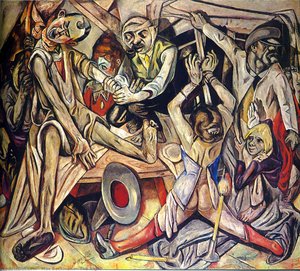
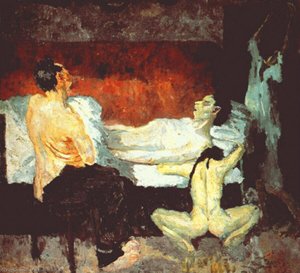
Day and Dream. Magic Mirror
 Acrylic On Canvas
- WallArt
- Expressionist Modernism
 1946
1946- Early Modern
 31.0 x 22.0 cm
 Прочетете повече
Жикле / Художествен принт
Giclée печат или принт върху платно с музейно качество, бързо производство и гъвкави опции за завършен вид. ( Купете ръчно рисувана картина Купете изображение)




P118B $10

P118H $10

P118W $10

P438Z $10

P508JH $12

P508YH $12

P805H $10

P805Z $10

P919BZ $10

P919G $10

P919XJ $10

P959ZH $10

P968JZ $12

W106C $8

W218G $10

W218JH $8

W218Y $10

W307PJ $10

W316G $10

W316PJ $8

W316Y $10

W398PJ $8

W4111J $10

W500HY $15

W500JH $15

W692G $12

W849H $8

W940BG $15

W953PJ $8




Изберете от предварително зададените размери, които съответстват на оригиналните пропорции на произведението.

Можете да въведете собствени размери, за да паснат на конкретна рамка или пространство. Ако избраният от Вас размер не съвпада с пропорциите на оригиналното изображение, ние ще изрежем произведението или ще разширим изображението с огледален или едноцветен ръб. Дигитален макет ще бъде изпратен за Ваше одобрение преди започването на производството.
Моля, имайте предвид, че предпрегледът на екрана не отразява реалното изрязване или разширяване. Само макетът ще покаже точно финалната композиция.
Въпреки че са налични персонализирани размери, препоръчваме да изберете размер от предварително дефинирания списък, за да запазите оригиналните пропорции.
Доставка по целия свят () в рамките на 2 седмици вместо стандартните 4/5 седмици. (19 Август)

Безплатна експресна доставка по целия свят

Висококачествено ленено платно

Пълно застраховане при доставка

Гаранция за възстановяване на митнически такси

Гаранция за цветова точност

60-Дневен период за връщане (Само при дефекти)

100% Гаранция за връщане на парите

Предложение за отстъпка при поръчка на едро
 Стъклото е налично само в размери под 110 см

Day and Dream. Magic Mirror
Жикле / Художествен принт
Размер на репродукцията
-


Обща цена
$ 64
Описание на колекционерския предмет
Max Beckmann's "Day and Dream. Magic Mirror" – A Study in Disquiet
This meticulously crafted hand-painted reproduction of Max Beckmann’s “Day and Dream. Magic Mirror” (1946) offers a profound glimpse into the artist’s intensely personal and psychologically charged vision. Executed on archival quality paper with exacting attention to detail, this artwork transcends mere representation; it is an exploration of identity, reflection, and the unsettling nature of perception itself. Beckmann, born in Leipzig in 1884, was a pivotal figure in 20th-century art, moving from early academic training to a powerfully expressive style marked by distortion and fragmentation – a direct response to his experiences during World War I.
- Subject Matter: The scene depicts a solitary woman confronting her reflection within a mirror. This seemingly simple composition is layered with complex symbolism, inviting viewers to contemplate the nature of self-awareness and the potential for illusion.
- Style & Technique: Beckmann’s technique is characterized by bold lines, flattened perspective, and a deliberate rejection of traditional realism. The use of stark black and white amplifies the emotional intensity, creating a sense of claustrophobia and unease. Notice the meticulous rendering of textures – the smooth surface of the mirror contrasting with the rough fabric of the chairs – adding to the artwork’s tactile quality.
Historical Context & Beckmann's Vision
Created in 1946, “Day and Dream. Magic Mirror” emerged from a period of profound upheaval in Europe following World War II. Beckmann’s artistic trajectory was deeply influenced by the trauma of war and his experiences as a medical orderly during the conflict. This led to a shift in his style – moving away from representational accuracy towards a more subjective and emotionally driven approach. His work echoes the anxieties and uncertainties of the post-war era, reflecting a fractured sense of reality and a questioning of established values. Beckmann’s artistic lineage is equally significant; he drew inspiration from medieval stained glass, particularly the symbolic imagery found in Bosch and Grünewald, alongside influences from Cézanne, Van Gogh, Blake, Rembrandt, and Rubens – creating a unique synthesis that anticipates both Expressionism and Surrealism.
- Medieval Symbolism: The mirror itself is a potent symbol, harking back to medieval iconography where mirrors were often associated with divine revelation and the soul’s journey.
- Expressionist Roots: Beckmann's distortion of form anticipates the key tenets of Expressionism, prioritizing emotional impact over objective representation.
Symbolic Layers & Emotional Resonance
The inclusion of two additional figures – one on either side of the woman – adds another layer of complexity to the scene. These ambiguous presences could represent memories, anxieties, or perhaps even distorted versions of the self. The dining table, a recurring motif in Beckmann’s work, suggests themes of social interaction and isolation. The overall effect is deeply unsettling, prompting viewers to confront uncomfortable questions about identity, perception, and the fragility of human experience. “Day and Dream. Magic Mirror” isn't merely a depiction; it’s an invitation to engage with the darker aspects of the human psyche.
- The Mirror as Metaphor: The mirror serves as a powerful metaphor for self-reflection, but also for the potential for deception and illusion.
- Emotional Impact: This artwork evokes feelings of melancholy, introspection, and perhaps even a sense of dread – qualities that have long defined Beckmann’s most compelling works.
Perfect for Interior Design & Art Collection
This hand-painted reproduction of “Day and Dream. Magic Mirror” is more than just a beautiful image; it's an investment in art history and a statement of sophisticated taste. Its compact size (31 x 22 cm) makes it ideal for a variety of settings, from a study or bedroom to a gallery wall. The high-quality materials and meticulous craftsmanship ensure that this reproduction will retain its beauty and value for years to come. Bring the profound vision of Max Beckmann into your home or office – a timeless piece that continues to challenge and inspire.
Подобни произведения


Биография на художника
early life and artistic development
Макс Ернст Бесо е роден през февруари 1884 г. в Лайпциг, Саксонска област, Германия. Неговият художествен път започна с академично правилни изображения и по-късно се трансформира в изкривени фигури и пространства, отразяващи неговото променено виждане за човечеството след служба като медицински санитар във Втората световна война. Бесо е бил обучен между 1900 и 1903 г. в Университетската академия във Виена, където е бил повлиян от различни художници, включително Сеорат, Ван Гог, Блейк и Рембранд.
Художественият му стил е дълбоко повлиян от образците на средновековния витраж и черпи вдъхновение от творбите на художници като Бош, Брегел и Маттиас Груневалд. Това влияние се проявява във формите на неговите произведения и изразява дълбок символизъм.
artistic style and influences
Бесо е известен със своите смели цветове и сложни текстури, които създават въздействие върху зрителя и предава истинската същност на творбите му. Той използва различни техники за рисуване и инкрустация, като например маслени бои и акварели, за да постигне желаните ефекти.
notable works and exhibitions
Сред най-известните му произведения са „Дървото“ (придобито от Националната галерия в Берлин) и „Автопортрет в тъпа костюм“. Тези картини демонстрират уменията на Бесо като художник и изразяват неговите философски размишления за човешката същност и мястото му във Вселената.
later life and exile
След идването на Хитлер към власт Бесо е уволнен от художествените училища във Франкфурт и повече от петстотин негови творби са конфискувани. Той прекарва десет години в самоводен изгнание в Амстердам, където не успява да получи виза за САЩ. Въпреки трудностите той продължава да създава произведения на изкуството и да преподава в различни институции.
legacy
Макс Ернст Бесо остави трайно наследство в европейското изкуство и литература през XX век. Той е смятан за един от най-значимите представители на немската експресионистка школа и неговите творби продължават да бъдат изучавани и възхищавани от художници и критици по целия свят.

Макс Бекман
1884 - 1950 , Германия
Бързи факти
- Artistic Movement Or Style: Експресионизъм
- Artists Or Movements Influenced By This Artist:
- Рембрандт
- Бош
- Artists Who Influenced This Artist:
- Жорж Сьоре
- Винсент ван Гог
- Date Of Birth: февруари 12, 1884
- Date Of Death: декември 27, 1950
- Full Name: Max Carl Friedrich Beckmann
- Nationality: Германия
- Notable Artworks:
- „Трънка“
- Самопортрет в тъпиксо
- Place Of Birth: Лейпциг, Германия
Всички статии

Топ 10 шедьовъра в бяло: Изкуство и елегантност за вашия дом | AllPaintingsStore.com
Разгледайте Топ 10 шедьовъра в бяло – Моне, Ренуар и други велики художници! Открийте историите зад импресионизма, минимализма и красотата на бялата цветова палитра. Купете висококачествени репродукции на картини онлайн на AllPaintingsStore.com.

Топ 10 шедьовъра в черно: Изкуство и емоция от AllPaintingsStore.com
Разгледайте топ 10 шедьовъра в черно – от Ван Гог до Мунк! Открийте историите зад картините, техниките и емоциите. Репродукции с музейно качество на AllPaintingsStore.com. Разгледайте пълната колекция онлайн!

Giclée Prints: Archival Quality & Aesthetic Nuances for the Discerning Collector
Explore the world of giclée prints with AllPaintingsStore. Learn about archival quality, aesthetic nuances & investment potential. Expert guidance for discerning art collectors seeking museum-quality reproductions and lasting value.

Beyond Color: The Timeless Power and Artistry of Black and White Photography
Explore the profound artistry of black and white photography. From the chemistry of gelatin silver to the chiaroscuro of the Old Masters, discover how monochrome captures the eternal essence of light, form, and emotion for the discerning art collector.
Monochrome Visions: Exploring the Aesthetic & Historical Significance of Black & White Photography
Explore the rich history & artistic power of black and white photography. From early techniques to iconic masters like Ansel Adams, discover why monochrome continues to captivate art lovers today. Expert insights for collectors.