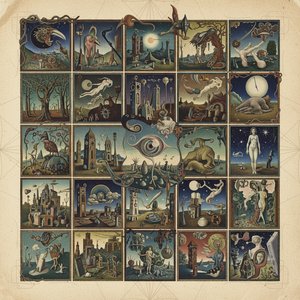
1919. Oil On Canvas, 54.0 x 43.0 cm.

§ 1Каталожни данни

- 54.0 x 43.0 cm


Това произведение е защитено от авторско право
Изкуството, представено на тази страница, е защитено от законите за авторско право, което означава, че не можем законно да създаваме или продаваме идентични репродукции. Тази защита се прилага съгласно международни споразумения като Бернска конвенция и от националното законодателство, включително разпоредбите на Закон за авторското право на САЩ – Раздел 17.
Като уважителна и законна алтернатива, ние предлагаме изработени по поръчка, ръчно рисувани произведения на изкуството, вдъхновени от оригинала. Нашите умени и професионални артисти внимателно изучават стила, настроението и артистичната същност на оригиналното произведение, за да създадат ново, уникално творческо произведение, което предизвиква същото чувство – оставайки в същото време самостоятелно оригинално творение.
Този метод е напълно съвместим с законите за авторско право, тъй като не включва копиране или дублиране на защитеното произведение. Вместо това става въпрос за творческа реинтерпретация – нова картина, която е вдъхновена от оригинала, но не е идентична с него.
 Прочетете повече
§ 2Абстракция
Описание на колекционерския предмет
Explore Max Ernst’s surreal masterpiece ‘Aquis submersus,’ capturing a dreamlike pool scene with enigmatic figures and symbolic sports balls—a captivating glimpse into the artist's philosophical exploration of the subconscious during the Surrealist era. Discover this stunning reproduction.
Биография на художника
Макс Ернст (1891-1976) е немски художник, пионер на Дадаизма и сюрреализма. Известен с техниките си – фроттаж, граттаж и колаж – неговите произведения изследват подсъзнанието и сънуването.
§ 3Коментар
A Dreamscape Suspended in Time
To gaze upon Max Ernst’s 1919 masterpiece, Aquis submersus, is to step through a portal into the unsettlingly beautiful logic of the subconscious. The title itself, Latin for "Drowned in the Waters," serves as a haunting prelude to a visual journey that transcends the boundaries of the rational world. At first glance, the painting presents a scene of deceptive tranquility: a swimming pool nestled among architectural forms, where figures linger in a state of suspended animation. Yet, beneath this serene surface lies the restless energy of the early 20th century, a period defined by profound societal upheaval and the intellectual ferment following the Great War. Ernst does not merely depict a scene; he engineers a psychological labyrinth, inviting the viewer to navigate a landscape where the lines between reality and dream begin to dissolve.
The composition is an arresting study in juxtaposition. A man stands at the edge of the pool, his gaze fixed intently upon a woman reclining within the azure depths. This intimate, almost voyeuristic encounter is punctuated by the presence of two sports balls, strategically positioned to disrupt the water's surface. These elements of incongruity introduce an unsettling humor and a sense of chance that are hallmarks of the Dadaist and Surrealist spirit. As one explores the periphery of the pool, other figures appear scattered throughout the tableau—some sitting, some lying down—creating a sense of a shared, yet deeply isolated, dreamscape. The architecture itself feels strangely weightless, with buildings that cast shadows against the sky like solid walls, and a clock hanging in the heavens, its reflection on the water masquerading as a pale moon.
Technique and the Language of Surrealism
Ernst’s approach to Aquis subsubmersus is deeply rooted in his desire to liberate art from the constraints of logic. While this early work shows the profound influence of Italian Metaphysical art, it also hints at the experimental techniques that would later define his career. The painting employs bold colors and simplified forms, prioritizing emotional resonance over photographic realism. There is a tactile quality to the work, a precursor to his famous use of frottage, where textures are transferred to create organic, unpredictable patterns. This method mirrors the Surrealist obsession with accessing the hidden layers of the mind, using texture and shape to evoke the raw, unrefined imagery of dreams.
For the discerning collector or interior designer, this piece offers a profound emotional impact that shifts depending on the light and the viewer's perspective. It is a work of deep symbolism: the submerged woman may represent femininity, vulnerability, or even repressed desire, while the disruptive placement of the sports balls symbolizes the destabilization of the established order. Bringing a high-quality reproduction of this masterpiece into a space provides more than just decoration; it introduces a conversation piece that challenges the intellect and stirs the imagination. It is an ideal selection for those seeking to infuse their environment with mystery, depth, and the timeless allure of the human unconscious.
Въпроси и отговори
На кой етап от кариерата на Макс Ернст съответства датата от 1919 на „Aquis submersus“?
Създадена през 1919, „Aquis submersus“ принадлежи към Mature Surreal на Макс Ернст.
Каква ориентация има „Aquis submersus“ на Макс Ернст?
„Aquis submersus“ на Макс Ернст е в Portrait формат. Форматът описва пропорциите на композицията.
Каква е техниката и датата на създаване на „Aquis submersus“ на Макс Ернст?
Техниката на „Aquis submersus“ на Макс Ернст е Oil On Canvas, а произведението е датирано с 1919.



 Превключване към принт


 За произведения на изкуството или репродукции, чийто размер е над 105 см (приблизително 41 инча) във всяка страна, рамката ще бъде изпратена в разглобен вид като комплект за сглобяване. Този метод гарантира безопасна доставка и предотвратява повреди по време на транспортиране.