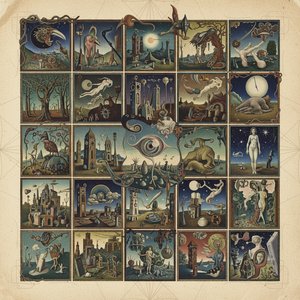
Acrylic On Canvas.

§ 1Каталожни данни


Това произведение е защитено от авторско право
Изкуството, представено на тази страница, е защитено от законите за авторско право, което означава, че не можем законно да създаваме или продаваме идентични репродукции. Тази защита се прилага съгласно международни споразумения като Бернска конвенция и от националното законодателство, включително разпоредбите на Закон за авторското право на САЩ – Раздел 17.
Като уважителна и законна алтернатива, ние предлагаме изработени по поръчка, ръчно рисувани произведения на изкуството, вдъхновени от оригинала. Нашите умени и професионални артисти внимателно изучават стила, настроението и артистичната същност на оригиналното произведение, за да създадат ново, уникално творческо произведение, което предизвиква същото чувство – оставайки в същото време самостоятелно оригинално творение.
Този метод е напълно съвместим с законите за авторско право, тъй като не включва копиране или дублиране на защитеното произведение. Вместо това става въпрос за творческа реинтерпретация – нова картина, която е вдъхновена от оригинала, но не е идентична с него.
 Прочетете повече
§ 2Абстракция
Описание на колекционерския предмет
Max Ernst’s "Forêt et soleil" presents a surreal nighttime forest scene with a luminous moon and enigmatic trees, embodying the artist's pioneering approach within the Surrealist movement – discover this captivating artwork.
Биография на художника
Пионер на сюрреализма, известен с фроттаж и колаж. Открийте неговите съноподобни шедьоври днес.
§ 3Коментар
Max Ernst's "Forêt et Soleil": A Nocturne of Surreal Reverie
Max Ernst’s “Forêt et Soleil” (Forest and Sun) is not merely a depiction of a nighttime woodland; it’s an immersion into the subconscious, a carefully constructed dreamscape rendered with the precision and unsettling beauty that defined the artist's career. Painted by one of the most influential figures of the 20th century, this work exemplifies Ernst’s deep engagement with Surrealism, a movement he helped pioneer, seeking to unlock the power of the irrational and the symbolic through art.
- Subject Matter: The painting presents a dense forest under the watchful gaze of a luminous moon. The composition is dominated by towering trees, their forms distorted and imbued with an almost hallucinatory quality. A solitary bird perches on one of these branches, adding a touch of fragile life to the otherwise stark and silent scene.
- Style & Technique: Ernst’s technique is characterized by meticulous detail combined with deliberate ambiguity. He employs a layered approach, building up textures and patterns through multiple applications of paint – a hallmark of his process. The use of contrasting light and shadow creates a dramatic effect, emphasizing the surreal nature of the forest and heightening the sense of mystery.
- Historical Context: “Forêt et Soleil” was created during a period of intense artistic experimentation following World War I. The devastation and disillusionment of the war profoundly impacted artists like Ernst, leading them to reject traditional representational art in favor of exploring themes of anxiety, trauma, and the unconscious mind. Surrealism emerged as a direct response to this crisis, offering a new way of seeing and understanding the world.
Symbolic Layers: The Language of Dreams
Ernst’s work is rich in symbolism, drawing heavily on Freudian psychology and the exploration of dreams. The forest itself represents the unconscious mind – dark, dense, and full of hidden pathways. The moon, a recurring motif in Ernst's oeuvre, symbolizes intuition, the feminine principle, and the cyclical nature of time. Its bright illumination cuts through the darkness, suggesting a glimmer of hope or understanding within the depths of the psyche.
- The Trees: The distorted shapes of the trees are not literal representations but rather symbolic embodiments of repressed emotions and anxieties. Their patterns could be interpreted as visual metaphors for complex psychological states.
- The Bird: The solitary bird, a frequent element in Ernst’s work, often represents fragility, vulnerability, or perhaps a yearning for freedom within the confines of the unconscious.
Max Ernst's Artistic Philosophy
Born in Brühl, Germany, in 1891, Max Ernst was a profoundly intellectual artist. His academic background – encompassing philosophy, art history, literature, psychology, and psychiatry – informed his artistic practice in a unique way. He wasn’t simply interested in replicating what he saw; he sought to access deeper truths through the manipulation of form and imagery. This approach is vividly evident in “Forêt et Soleil,” where Ernst uses visual language to evoke emotional responses and stimulate the viewer's own subconscious.
- Surrealist Techniques: Ernst was a master of various Surrealist techniques, including frottage (rubbing textures onto paper) and decalcomania (spreading paint on a surface and then lifting it to create random patterns). These methods allowed him to tap into the unconscious and generate unexpected imagery.
- Influence of Dada: Ernst’s early work was influenced by Dada, another anti-art movement that challenged traditional notions of beauty and meaning. This influence can be seen in his willingness to embrace absurdity and reject conventional artistic norms.
Emotional Impact & Artistic Value
"Forêt et Soleil" possesses a haunting beauty that transcends its subject matter. The painting’s unsettling atmosphere, combined with Ernst's masterful technique, creates a powerful emotional response in the viewer. It invites contemplation on themes of isolation, mystery, and the hidden depths of the human psyche. This reproduction offers an exceptional opportunity to own a piece of art history, bringing the visionary world of Max Ernst into your space.
Въпроси и отговори
Към кое художествено течение принадлежи „Forêt et soleil“ на Макс Ернст?
„Forêt et soleil“ на Макс Ернст принадлежи към художественото направление Surrealist Exploration. Това движение определя стилистичния контекст на произведението.
Колко наситена е палитрата на "Forêt et soleil"?
Цветовете на „Forêt et soleil“ на Макс Ернст имат Muted наситеност. Наситеността определя колко ярки или приглушени са цветовете.
Коя е фазата от творческия път на Макс Ернст, която представлява „Forêt et soleil“?
В рамките на кариерата на Макс Ернст, „Forêt et soleil“ принадлежи към периода Surrealist Maturity. Тази фаза позволява да се направи сравнение с другите творби на художника.


 Превключване към принт


 За произведения на изкуството или репродукции, чийто размер е над 105 см (приблизително 41 инча) във всяка страна, рамката ще бъде изпратена в разглобен вид като комплект за сглобяване. Този метод гарантира безопасна доставка и предотвратява повреди по време на транспортиране.