

Oil On Canvas.

§ 1Каталожни данни


Това произведение е защитено от авторско право
Изкуството, представено на тази страница, е защитено от законите за авторско право, което означава, че не можем законно да създаваме или продаваме идентични репродукции. Тази защита се прилага съгласно международни споразумения като Бернска конвенция и от националното законодателство, включително разпоредбите на Закон за авторското право на САЩ – Раздел 17.
Като уважителна и законна алтернатива, ние предлагаме изработени по поръчка, ръчно рисувани произведения на изкуството, вдъхновени от оригинала. Нашите умени и професионални артисти внимателно изучават стила, настроението и артистичната същност на оригиналното произведение, за да създадат ново, уникално творческо произведение, което предизвиква същото чувство – оставайки в същото време самостоятелно оригинално творение.
Този метод е напълно съвместим с законите за авторско право, тъй като не включва копиране или дублиране на защитеното произведение. Вместо това става въпрос за творческа реинтерпретация – нова картина, която е вдъхновена от оригинала, но не е идентична с него.
 Прочетете повече
§ 2Абстракция
Описание на колекционерския предмет
Discover Max Ernst's 'Snow Flowers' (1929), a surreal abstract masterpiece blending vibrant colors, textured surfaces, and organic forms. Perfect for art collectors seeking unique, imaginative wall art.
Биография на художника
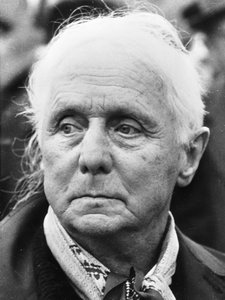
Макс Ернст (1891-1976) е немски художник, пионер на Дадаизма и сюрреализма. Известен с техниките си – фроттаж, граттаж и колаж – неговите произведения изследват подсъзнанието и сънуването.
§ 3Коментар
A Surrealist Echo of Disillusionment
In the turbulent landscape of the early 20th century, few artists captured the fractured psyche of a post-war era as profoundly as Max Ernst. His 1929 masterpiece, Snow Flowers, serves as a mesmerizing portal into a world where the boundaries between reality and the subconscious dissolve. Born from the bitter ashes of World and I, the Dada movement—and subsequently Surrealism—sought to reject the rationalist dogmas that many believed had led humanity toward catastrophe. In this oil on canvas, Ernst does not merely depict a scene; he orchestrates an experiment in visual perception, inviting the viewer to wander through a dreamscape where organic forms and geometric fragments intertwine in a delicate, unsettling dance.
The composition of Snow Flowers is a masterclass in the beauty of chance. Eschewing the rigid constraints of traditional realism, Ernst employs a fragmented arrangement that feels both spontaneous and deeply intentional. Scattered across the canvas like relics from a forgotten dream are disparate elements: delicate flowers, textured mushrooms, weathered rocks, and even the haunting presence of a clock. This technique, rooted in the Dadaist embrace of spontaneity, mirrors the movement’s broader critique of structured thought. The muted, earthy tones that permeate the work lend it an aged patina, evoking a sense of nostalgia and decay that speaks to the collective disillusionment of a generation grappling with shifting moral frameworks and the fragility of existence.
Symbolism and the Language of Dreams
To gaze upon Snow Flowers is to engage in a decoding of symbols. The flora within the piece—particularly the budding flowers—acts as a poignant metaphor for nascent growth, yet they are inextricably linked to themes of inevitable decline. This juxtaposition of life and decay creates a tension that is central to Ernst’s vision. The inclusion of mushrooms and organic textures suggests a primal, subterranean world, one that exists beneath the veneer of civilization. Through these motifs, Ernst explores the concept of transformation, suggesting that within every end lies the seed of a new, albeit stranger, beginning.
The presence of the clock introduces an element of temporal anxiety, reminding the observer of the relentless passage of time and the ephemeral nature of all living things. For the discerning collector or interior designer, this painting offers more than mere decoration; it provides a profound intellectual and emotional anchor. The layered textures and the interplay of light and shadow create a tactile richness that invites close inspection, making it a compelling centerpiece for any modern or eclectic space. Whether placed in a quiet study or a bold contemporary gallery, Snow Flowers continues to resonate, offering an enduring sense of wonder, introspection, and the sublime beauty found within the irrational.
Въпроси и отговори
Мога ли да използвам добавена реалност, за да видя „Snow Flowers“ на Макс Ернст в моята стая?
„Snow Flowers“ предлага преглед с добавена реалност: страницата Преглед с AR на произведението го показва в собственото ви пространство чрез съвместимо устройство.
На кой художник се приписва "Snow Flowers"?
„Snow Flowers“ е създадена от Макс Ернст. Информацията на тази страница описва оригиналната творба на Макс Ернст.
Къде мога да купя ръчно рисувана репродукция на „Snow Flowers“ на Макс Ернст?
Ръчно рисувани копия на „Snow Flowers“ на Макс Ернст се предлагат в ето този уебсайт: ръчно рисувана маслена репродукция върху ленен холст, чрез неговата страница Ръчно рисувана репродукция.


 Превключване към принт


 За произведения на изкуството или репродукции, чийто размер е над 105 см (приблизително 41 инча) във всяка страна, рамката ще бъде изпратена в разглобен вид като комплект за сглобяване. Този метод гарантира безопасна доставка и предотвратява повреди по време на транспортиране.


