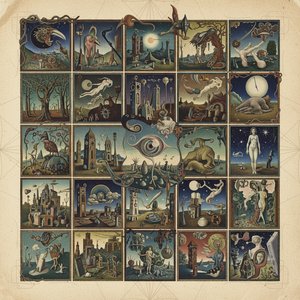
1923. Oil On Canvas, 100.0 x 81.0 cm.

§ 1Catalogue data
 Oil On Canvas
- WallArt
- Surrealism
 1923
1923- Modern
 100.0 x 81.0 cm
Това произведение е защитено от авторско право
Изкуството, представено на тази страница, е защитено от законите за авторско право, което означава, че не можем законно да създаваме или продаваме идентични репродукции. Тази защита се прилага съгласно международни споразумения като Бернска конвенция и от националното законодателство, включително разпоредбите на Закон за авторското право на САЩ – Раздел 17.
Като уважителна и законна алтернатива, ние предлагаме изработени по поръчка, ръчно рисувани произведения на изкуството, вдъхновени от оригинала. Нашите умени и професионални артисти внимателно изучават стила, настроението и артистичната същност на оригиналното произведение, за да създадат ново, уникално творческо произведение, което предизвиква същото чувство – оставайки в същото време самостоятелно оригинално творение.
Този метод е напълно съвместим с законите за авторско право, тъй като не включва копиране или дублиране на защитеното произведение. Вместо това става въпрос за творческа реинтерпретация – нова картина, която е вдъхновена от оригинала, но не е идентична с него.
 Прочетете повече
§ 2Abstract
Описание на колекционерския предмет
Ubu Imperator by Max Ernst – A surrealist painting depicting a man holding a colossal red vase or cannon amidst a detailed tableau featuring a bird, clock, and chair.
Биография на художника
Макс Ернст (1891-1976) е немски художник, пионер на Дадаизма и сюрреализма. Известен с техниките си – фроттаж, граттаж и колаж – неговите произведения изследват подсъзнанието и сънуването.
§ 3Commentary
A Visionary Encounter in the Realm of the Unconscious
The canvas holds an arresting stillness, yet pulsates with a hidden, restless energy—a testament to the visionary approach of Max Ernst and his seminal work, “Ubu Imperator.” Painted in 1923 during the height of Dadaism and the burgeoning fervor of Surrealism, this monumental piece transcends mere representation; it is a deliberate provocation designed to unsettle the viewer and confront them with unsettling juxtapositions. Within this composition, we encounter a scene that feels plucked from a fever dream, where the boundaries between reality and the subconscious dissolve into a tapestry of strange, evocative forms.
At its heart, the painting presents a figure—presumably representing Ubu Imperator, the tyrannical ruler from Alfred Jarry’s absurdist drama—seated upon a throne constructed of interwoven branches. A disconcerting bird perches precariously atop this structure, serving as a poignant symbol of fragility and vulnerability juxtapared against the imposing, heavy grandeur of power. This tension highlights the inherent contradictions within human ambition and the precarious nature of authority. As the eye wanders through the detailed landscape, one might notice a clock dominating the composition, adding a layer of temporal anxiety to an otherwise timeless, dreamlike space.
The Alchemy of Texture and Technique
Ernst’s method was nothing short of revolutionary, abandoning traditional academic conventions in favor of an experimental process known as frottage. Deeply influenced by his fascination with psychoanalysis and Carl Jung's theories on the unconscious, Ernst meticulously rubbed pencil over textured surfaces—wood grain, fabric, even dried leaves—capturing their organic impressions onto the canvas beneath. This layering of textures is far from accidental; it serves as a conduit for accessing hidden realms of the imagination, mirroring the way the subconscious mind generates unexpected patterns and forms.
The resulting surface is riddled with subtle variations in tone and texture, creating an illusionistic depth that defies conventional perspective. For the collector or interior designer, this technique offers a tactile richness that brings a sense of movement and organic life to any space. The painting does not merely sit upon the wall; it breathes through its complex, scraped, and rubbed surfaces, inviting the viewer to lean closer and discover the secrets hidden within its many layers.
A Legacy of Rebellion and Surrealist Splendor
To possess a reproduction of “Ubu Imperator” is to hold a piece of art history that captures the very moment when the modern psyche began to explore its own shadows. Max Ernst, a primary pioneer of both Dada and Surrealism, used his work to grapple with the "why" of existence rather than just the "how." His refusal to adhere to formal training allowed him to invent entirely new visual languages, making his works timelessly relevant to contemporary tastes that value authenticity and psychological depth.
For those seeking to infuse a room with intellectual intrigue and emotional resonance, this piece offers an unparalleled opportunity. Whether placed in a sophisticated gallery-style living room or a curated study, the painting acts as a conversation starter—a window into a world where the bizarre becomes beautiful and the mechanical meets the organic. It is more than a decoration; it is an invitation to wonder, a fragment of a revolution that continues to captivate the modern soul.
Въпроси и отговори
Каква е техниката на изпълнение и размерите на "Ubu Imperator"?
Техниката на „Ubu Imperator“ на Макс Ернст е Oil On Canvas, а размерите му са 100 x 81 cm.
„Ubu Imperator“ на Макс Ернст светла или тъмна творба?
„Ubu Imperator“ е с обща яркост bright, а неговата светлост е Gentle Luminance.
Какво е общото настроение на „Ubu Imperator“ на Макс Ернст?
"Ubu Imperator" има Dramatic атмосфера.


 Превключване към принт


 За произведения на изкуството или репродукции, чийто размер е над 105 см (приблизително 41 инча) във всяка страна, рамката ще бъде изпратена в разглобен вид като комплект за сглобяване. Този метод гарантира безопасна доставка и предотвратява повреди по време на транспортиране.