


 Представи си го
 Изпрати
 Сподели
 Детайли

 Изтегляне
 Подобни
 Рентгенова снимка
 Слайдшоу
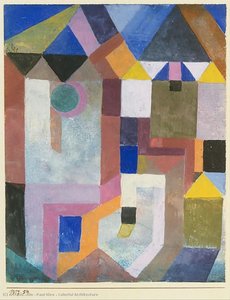
Objects on a Table
 1920
1920 89.0 x 116.0 cm
 Прочетете повече
Жикле / Художествен принт
Giclée печат или принт върху платно с музейно качество, бързо производство и гъвкави опции за завършен вид. ( Купете ръчно рисувана картина Купете изображение)




































Изберете от предварително зададените размери, които съответстват на оригиналните пропорции на произведението.

Можете да въведете собствени размери, за да паснат на конкретна рамка или пространство. Ако избраният от Вас размер не съвпада с пропорциите на оригиналното изображение, ние ще изрежем произведението или ще разширим изображението с огледален или едноцветен ръб. Дигитален макет ще бъде изпратен за Ваше одобрение преди започването на производството.
Моля, имайте предвид, че предпрегледът на екрана не отразява реалното изрязване или разширяване. Само макетът ще покаже точно финалната композиция.
Въпреки че са налични персонализирани размери, препоръчваме да изберете размер от предварително дефинирания списък, за да запазите оригиналните пропорции.
Доставка по целия свят () в рамките на 2 седмици вместо стандартните 4/5 седмици. (15 Август)

Безплатна експресна доставка по целия свят

Висококачествено ленено платно

Пълно застраховане при доставка

Гаранция за възстановяване на митнически такси

Гаранция за цветова точност

60-Дневен период за връщане (Само при дефекти)

100% Гаранция за връщане на парите

Предложение за отстъпка при поръчка на едро
 Стъклото е налично само в размери под 110 см

Objects on a Table
Жикле / Художествен принт
Размер на репродукцията
-


Обща цена
$ 64
Описание на колекционерския предмет
Подобни произведения




Биография на художника
Patrick Henry Bruce: A Pioneer of Geometric Abstraction
Patrick Henry Bruce (1881-1936) stands as a singular figure in the early 20th century American art landscape—a descendant of Patrick Henry, he embodies both familial heritage and artistic innovation. Born in Campbell County, Virginia, Bruce’s upbringing amidst the vestiges of a once vast plantation estate profoundly shaped his worldview and instilled within him an awareness of historical context that would permeate his oeuvre. This estate, originally granted by the English crown in 1728 to William Byrd II., now Berry Hill Estate—a national historic landmark—served as a backdrop for Bruce’s formative years, fostering a connection to Virginia's past while simultaneously propelling him toward a bold embrace of modern artistic principles. The economic hardships following the Civil War significantly impacted his family’s fortunes, yet Bruce persevered, pursuing evening classes at Richmond Art Club and honing his craft during daytime employment in real estate—a testament to his determination and adaptability. His artistic journey commenced around 1900 with preliminary explorations into painting, quickly gravitating toward influences from Impressionism and Cézanne. Recognizing the transformative potential of Parisian art schools, Bruce relocated to New York City in 1902, where he benefited from mentorships under William Merritt Chase, Robert Henri, and Kenneth Hayes Miller—artists who championed a burgeoning modernist aesthetic. By February 1904, he arrived in Paris, establishing himself as a resident artist and immersing himself in the vibrant intellectual milieu of the era. This Parisian sojourn proved pivotal, fostering collaborations with Sonia Delaunay and Robert Delaunay during the period between 1912 and 1914—a formative association that exposed him to Orphism’s radical experimentation with color and form. Notably, Bruce eschewed adherence to any singular artistic movement, resisting categorization within established schools like Synchromism; however, his work of 1916 demonstrates a striking resonance with Morgan Russell's Synchromist compositions—characterized by expansive, flat color areas—suggesting an intuitive grasp of contemporary stylistic trends. Bruce’s mature style anticipated Purism’s emphasis on simplified geometric forms and restrained palettes in the mid-1920s. His paintings from 1918 onward exemplify this aesthetic, presenting meticulously arranged rectangular shapes against a backdrop of evenly applied, monochrome hues—a deliberate departure from representational painting and an affirmation of abstraction as a vehicle for conveying emotion and conceptual ideas. Critics and fellow artists recognized Bruce’s pioneering vision; Marcel Duchamp acknowledged his influence on artistic experimentation, hinting at the profound impact of Bruce's work on subsequent generations of avant-garde practitioners. Bruce’s legacy extends beyond stylistic innovation—he represents an important voice in American art history during a period of dramatic cultural change. His unwavering commitment to geometric abstraction and his exploration of minimalist aesthetics solidified his position as one of the foremost proponents of Purism, contributing significantly to the development of modern visual language. Further research into Bruce's artistic output continues to illuminate the complexities of early 20th-century art and underscores his enduring contribution to the canon of American modernist painting.
patrick henry bruce
1881 - 1936
Бързи факти
- Artistic Movement Or Style: Cubist Painter
- Artists Or Movements Influenced By This Artist: ['Purism']
- Artists Who Influenced This Artist:
- Renoir
- Cézanne
- Date Of Birth: 1881
- Date Of Death: 1936
- Full Name: Patrick Henry Bruce
- Nationality: American
- Notable Artworks:
- Composition I
- Objects on a Table
- Place Of Birth: Campbell County, Virginia



