


 Преглед в реален мащаб
 Изпрати
 Сподели
 Детайли
 Ръководство

 Изтегляне
 Подобни артикули
 Рентгенова снимка
 Слайдшоу
 Въпроси и отговори
 Статистика
Visitation

- 57.0 x 36.0 cm


 Прочети повече
Жикле / Художествен принт
Giclée печат или принт върху платно с музейно качество, бързо производство и гъвкави опции за завършен вид. ( Купете ръчно рисувана картина Превключване към дигитално изображение)




P118B €10

P118H €10

P118W €10

P438Z €10

P508JH €12

P508YH €12

P805H €10

P805Z €10

P919BZ €10

P919G €10

P919XJ €10

P959ZH €10

P968JZ €12

W106C €8

W218G €10

W218JH €8

W218Y €10

W307PJ €10

W316G €10

W316PJ €8

W316Y €10

W398PJ €8

W4111J €10

W500HY €15

W500JH €15

W692G €12

W849H €8

W940BG €15

W953PJ €8




Изберете от нашите предварително зададени размери, които съответстват на оригиналните пропорции на произведението.

Въведете необходимата ширина и височина, за да паснат на вашата рамка или стена. Принтовете могат само да се изрязват, но никога не могат да бъдат по-големи от оригиналната картина, така че при размер с различен формат част от изображението ще бъде загубена. Преди да започнем печат, ще ви изпратим дигитален мок업 за одобрение. Изображението, показано на тази страница, не показва реалното изрязване — само мок업ът го показва.
Доставка по целия свят () в рамките на 2 седмици вместо стандартните 4/5 седмици. (3 Ноември)

Безплатна експресна доставка по целия свят

Висококачествено ленено платно

Пълно застраховане на доставката

Гаранция за възстановяване на митнически такси

Гаранция за пълно съответствие на цветовете

Политика за връщане в рамките на 100 дни (само при дефекти)

100% Гаранция за връщане на сумата

Оферта за отстъпка при поръчка на повече бройки
 Опцията със стъкло е налична само за размери под 110 см

Visitation
Жикле / Художествен принт
Размер на репродукцията
-


Обща цена
€ 58
A Moment of Grace: Rogier van der Weyden’s “Visitation” – A Window into Early Netherlandish Devotion
Rogier van der Weyden's "Visitation," painted in 1445, isn’t merely a depiction of a biblical scene; it’s a profound meditation on faith, familial connection, and the quiet miracle at the heart of Christian belief. This intimate panel, measuring just 57 x 36 cm, radiates an almost palpable serenity, achieved through Van der Weyden's masterful command of detail and his revolutionary approach to portraying human emotion. The painting captures the moment when Mary receives a visit from Elizabeth, foretold in the Old Testament prophecies – a pivotal event that sets the stage for the arrival of John the Baptist and ultimately, the birth of Jesus Christ. The scene unfolds within a modestly furnished interior, suggesting a domestic setting rather than a grand religious space, which immediately draws the viewer into a sense of personal connection with this sacred narrative.
Technical Brilliance and the Art of Texture
Van der Weyden’s reputation rests firmly on his unparalleled skill in rendering texture and form. Observe meticulously how he builds up the fabrics – the voluminous folds of Mary's robe, the delicate draping around Elizabeth – not with broad strokes but with countless layers of thin paint, creating an illusion of incredible depth and tactile realism. This technique, perfected through his earlier experience as a goldsmith, is evident in every shimmering thread and subtle crease. The use of *sfumato*, a hazy effect achieved by blending colors subtly, softens the edges and contributes to the painting’s overall sense of atmosphere and intimacy. The artist's attention to detail extends beyond the figures themselves; note the meticulously rendered wooden beams of the architectural background, the delicate leaves of the potted plants – each element contributing to the illusionistic space.
- Oil Paint Innovation: “Visitation” is considered a landmark work in the development of oil painting. Van der Weyden’s use of oil allowed for greater luminosity and richer colors than previous tempera techniques, enhancing the realism he sought.
- Modeling with Light & Shadow: The subtle play of light across the figures and objects creates a powerful sense of volume and depth, further emphasizing the three-dimensionality of the scene.
Symbolism Woven into the Scene – Birds, Plants, and the Language of Faith
Beyond the central narrative, “Visitation” is rich in symbolic detail. The two birds soaring above the figures are often interpreted as representing the Holy Spirit, a divine messenger connecting Mary and Elizabeth across time and space. The presence of the three potted plants – a lily, a rose, and a plant with rounded leaves – adds a layer of botanical symbolism. Lilies traditionally represent purity and virginity, while roses symbolize love and devotion. The third plant, often identified as a rue or similar herb, may allude to repentance and humility. The very act of greeting and conversation between the two women underscores the importance of community and mutual support within the Christian faith.
Emotional Resonance: A Portrait of Maternal Grace
What truly elevates “Visitation” is its ability to evoke a profound sense of empathy and connection. Van der Weyden masterfully captures the quiet dignity and gentle affection between Mary and Elizabeth. Their expressions are not overtly ecstatic, but rather convey a deep understanding and mutual respect born from shared faith and divine grace. The painting speaks to the enduring power of family bonds – both earthly and spiritual – and the transformative nature of belief. It’s a scene that invites contemplation on themes of hope, lineage, and the quiet miracles that shape our lives. This reproduction allows you to bring this powerful image into your home, experiencing its emotional depth and technical brilliance firsthand.
Въпроси и отговори
Какъв е препоръчителният размер за печат на "Visitation"?
За „Visitation“ на Рогир ван дер Уейден се препоръчва репродукция с размер Medium. Размерът може да бъде променен, като се запазят пропорциите.
Признато ли е произведението „Visitation“ в рамките на Early Netherlandish Painting?
„Visitation“ на Рогир ван дер Уейден е класифициран като Recognized и принадлежи към движението Early Netherlandish Painting.
За коя стая се препоръчва „Visitation“ на Рогир ван дер Уейден, предвид цветовете му?
Предвид неговата Earthy палитра, се препоръчва "Visitation" за Living Room.
Подобни произведения


Биография на художника
A Master of Emotion: The Life and Legacy of Rogier van der Weyden
Rogier van der Weyden, born around 1400 in the vibrant city of Tournai, nestled within what is now Belgium, emerged as a pivotal figure in the blossoming world of Early Netherlandish painting. While details surrounding his early life remain somewhat elusive, it’s believed he initially honed his skills not with brush and pigment, but as a goldsmith. This formative training instilled within him an unwavering dedication to meticulous detail and a refined sensibility for craftsmanship – qualities that would become hallmarks of his artistic style. The precision demanded by working with precious metals undoubtedly translated into the exquisite rendering of textures, fabrics, and expressions that define his masterpieces. He wasn’t merely depicting reality; he was recreating it with painstaking accuracy, imbued with an almost reverent attention to detail.From Tournai to Brussels: A Rising Star
By 1427, van der Weyden had ascended to the rank of master within the Guild of Saint Luke in Tournai, a testament to his burgeoning talent and skill. This marked a significant turning point, solidifying his position as a professional artist and opening doors to important commissions. His ascent continued when he entered the service of Philip the Good, Duke of Burgundy, in 1435 – a patronage that would profoundly shape his career for the remainder of his life. Serving as court painter afforded him not only financial security but also access to an elite circle of influence and exposure to some of the most discerning eyes of the era. It was during this period that van der Weyden’s artistic vision truly began to mature, moving away from the somewhat rigid conventions of earlier Netherlandish painters towards a more emotionally resonant and naturalistic approach. He wasn't simply painting religious scenes; he was striving to evoke genuine feeling in the viewer, to create an experience that transcended mere observation.The Language of Feeling: Style and Technique
Rogier van der Weyden’s artistic signature is immediately recognizable through several defining characteristics. His palette was remarkably rich and diverse, a vibrant tapestry of colors carefully chosen to avoid repetition and create depth and complexity within his compositions. He possessed an extraordinary ability to convey profound emotion – *pathos* – particularly in depictions of religious subjects like the Lamentation, where grief and sorrow are palpable. This emotional intensity wasn’t achieved through dramatic gestures or exaggerated expressions; rather, it was subtly woven into the very fabric of the painting, conveyed through delicate nuances of facial expression, body language, and composition. His figures, while adhering to the conventions of the time, demonstrate a growing interest in realistic representation – not just in anatomy and drapery, but also in capturing the psychological states of his subjects. They possess a dignified, almost sculptural quality, particularly evident in his grand triptychs, lending them an air of solemnity and reverence. He masterfully employed oil paint, building up layers of translucent glazes to achieve luminous effects and create a sense of depth and realism that was revolutionary for its time.Notable Works and Enduring Masterpieces
Throughout his prolific career, van der Weyden produced numerous works that stand as testaments to his artistic prowess. *St Luke Drawing a Portrait of the Madonna*, housed in the Museum of Fine Arts, Boston, showcases his mastery of oil on panel and meticulous observation. The *Lamentation*, residing in the Musée des Beaux-Arts Tournai, Belgium, is perhaps his most celebrated work – a powerfully emotive depiction of Christ’s mourning, renowned for its dramatic use of *chiaroscuro* and its ability to evoke profound sorrow in the viewer. Multiple versions of *The Deposition* exist, each demonstrating his skill in conveying grief and drama with breathtaking sensitivity. The *Annunciation*, a masterpiece of refined style and attention to detail, exemplifies his ability to imbue even the most traditional subjects with a sense of freshness and vitality. And finally, the intricate and richly detailed *Bladelin Triptych* stands as a monumental achievement – a complex altarpiece that showcases the full range of van der Weyden’s artistic abilities. These works, and many others, continue to captivate audiences today, solidifying his position as one of the most important painters of the 15th century.Lasting Influence: A Legacy Forged in Paint
Van der Weyden’s influence extended far beyond the borders of his native Flanders. His works were highly sought after throughout Europe, particularly in Italy and Spain, where they introduced a new level of emotional depth and naturalism to local artistic traditions. Although his fame experienced a period of relative decline in the 17th century, a rediscovery during the 19th century cemented his place as one of the most important painters of the 15th century. He stands alongside Jan van Eyck and Robert Campin as one of the “three great” Early Flemish masters, each contributing uniquely to the development of Northern Renaissance art. His innovative techniques and emotionally charged compositions paved the way for future generations of artists, inspiring countless imitators and influencing the course of Western painting for centuries to come. He helped establish oil painting as the dominant medium and elevated the status of the artist within society, transforming them from skilled craftsmen into revered creators. Rogier van der Weyden’s legacy continues to resonate today, a testament to his enduring genius and his profound understanding of the human condition.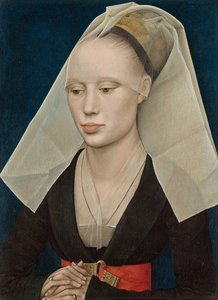
Рогир ван дер Уейден
1400 - 1464 , Белгия
Бърза информация
- Artistic Movement Or Style: Ранно нидерландско изкуство
- Artists Or Movements Influenced By This Artist: ['Италиански Ренесанс']
- Artists Who Influenced This Artist:
- Роберт Камплин
- Ян ван Ейк
- Date Of Birth: c. 1400
- Date Of Death: 1464
- Full Name: Rogier van der Weyden
- Nationality: Белгийски
- Notable Artworks:
- Светата Литургия
- Плачът на Мария
- Положение в гроба
- Place Of Birth: Tournai, Белгия
Свързани статии

Early Netherlandish Renaissance: A Professional Guide to Mastering Detail and Realism for Luxury Interior Design
Expert guide for hotel designers on sourcing Early Netherlandish Renaissance reproductions. Discover how the hyper-realism of Jan van Eyck can elevate hospitality interiors through high-quality, large-scale oil paintings and custom multi-panel installations.


