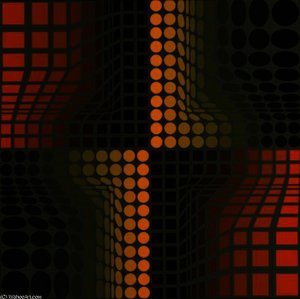
Acrylic On Canvas. Bechtler Museum of Modern Art.

§ 1Каталожни данни


Това произведение е защитено от авторско право
Изкуството, представено на тази страница, е защитено от законите за авторско право, което означава, че не можем законно да създаваме или продаваме идентични репродукции. Тази защита се прилага съгласно международни споразумения като Бернска конвенция и от националното законодателство, включително разпоредбите на Закон за авторското право на САЩ – Раздел 17.
Като уважителна и законна алтернатива, ние предлагаме изработени по поръчка, ръчно рисувани произведения на изкуството, вдъхновени от оригинала. Нашите умени и професионални артисти внимателно изучават стила, настроението и артистичната същност на оригиналното произведение, за да създадат ново, уникално творческо произведение, което предизвиква същото чувство – оставайки в същото време самостоятелно оригинално творение.
Този метод е напълно съвместим с законите за авторско право, тъй като не включва копиране или дублиране на защитеното произведение. Вместо това става въпрос за творческа реинтерпретация – нова картина, която е вдъхновена от оригинала, но не е идентична с него.
 Прочетете повече
§ 2Абстракция
Описание на колекционерския предмет
This artwork exemplifies Vasarely’s signature style, characterized by repetitive geometric forms and optical illusions that stimulate perception.
Биография на художника
Разгледайте завладяващия свят на Виктор Вазарели (1906-1997)! От геометрични абстракции до оптически илюзии и трайно влияние върху модерното изкуство и дизайна. Експериментирайте с формите и цветовете на репродукции!
§ 3Коментар
Tridem K – A Geometric Revelation by Victor Vasarely
Victor Vasarely (1906-1997) stands as an undisputed titan of Op Art, a movement that revolutionized visual perception in the mid-20th century. Born Győző Vásárhelyi in Pécs, Hungary—a city steeped in Austro-Hungarian heritage—his artistic journey began unexpectedly with aspirations for medicine but swiftly pivoted towards the captivating realm of painting at Eötvös Loránd University in Budapest. This formative decision wasn’t merely a career change; it was an embrace of fundamental principles governing how our eyes perceive reality, propelling him toward groundbreaking explorations into geometric abstraction and optical illusions. The pivotal influence arrived with his enrollment in Sándor Bortnyik’s workshop – Műhely – where he absorbed the essence of Bauhaus design, fostering a dedication to functionality alongside artistic innovation.- The Artwork: Tridem K is a striking acrylic painting on canvas measuring approximately 150.18 x 200.66 inches (381.7 x 509 cm). Its dominant hue is black, serving as the backdrop for an intricate tapestry of vibrant geometric patterns—primarily blues, oranges, greens, purples, reds, and yellows—that dance across the surface.
- Style: Vasarely’s signature style embodies Op Art's core tenets: illusionistic imagery designed to trick the eye into perceiving movement or depth where none exists. The painting exemplifies this aesthetic with its deliberate manipulation of perspective and color gradients, creating a mesmerizing visual experience.
- Technique: Vasarely meticulously crafted Tridem K using a technique characterized by layering acrylic paints in precise geometric shapes—primarily triangles and squares—to generate optical effects. This painstaking process underscores his commitment to scientific rigor alongside artistic creativity.
Historical Context – Bauhaus Influence & The Rise of Kinetic Art
Vasarely’s artistic development coincided with the burgeoning Bauhaus movement, a German school that championed functional design and geometric abstraction as responses to the challenges posed by industrialization. Bortnyik's workshop instilled in him a profound appreciation for these principles, shaping his worldview and informing his creative process. This intellectual milieu fostered an interest in exploring how visual stimuli could stimulate sensory perception—a fascination that would ultimately propel him toward pioneering kinetic art, where movement itself becomes integral to the artwork’s impact. The painting reflects this broader artistic dialogue, embodying the spirit of experimentation and innovation characteristic of its time.Symbolism & Emotional Resonance – Beyond Mere Decoration
Tridem K transcends mere decorative appeal; it speaks to deeper conceptual concerns rooted in Vasarely's exploration of perception and consciousness. The geometric patterns—particularly triangles and squares—represent fundamental building blocks of visual experience, symbolizing stability and order amidst apparent chaos. Furthermore, the vibrant colors evoke emotional responses associated with joy, energy, and dynamism—mirroring the movement-inducing qualities inherent in Op Art itself. Vasarely aimed to create artworks that stimulated not just sight but also thought, prompting viewers to question their assumptions about reality.Location & Legacy – A Testament to Modern Artistic Vision
Currently housed at the Bechtler Museum of Modern Art in Charlotte, United States, Tridem K stands as a lasting monument to Victor Vasarely’s artistic legacy—a testament to his unwavering belief in the transformative power of geometric abstraction and Op Art. Its presence within this prestigious institution underscores its significance as a cornerstone of 20th-century art history, continuing to inspire artists and collectors alike with its captivating visual illusion and profound conceptual depth.Въпроси и отговори
Каква ориентация има „Tridem K“ на Виктор Васарели?
Форматът на „Tridem K“ е Portrait. Това е полезно при планирането на мястото, където ще бъде поставена репродукцията.
Какъв е препоръчаният размер на печат за „Tridem K“ на Виктор Васарели?
За „Tridem K“ на Виктор Васарели се препоръчва репродукция с размер Large. Размерът може да бъде променен, като се запазят пропорциите.
Какво приложение и какво пространство се препоръчват за „Tridem K“ на Виктор Васарели?
Препоръчаното приложение (Accent) и пространството (Living Room) са двете насоки, посочени за „Tridem K“ на Виктор Васарели.


 Превключване към принт


 За произведения на изкуството или репродукции, чийто размер е над 105 см (приблизително 41 инча) във всяка страна, рамката ще бъде изпратена в разглобен вид като комплект за сглобяване. Този метод гарантира безопасна доставка и предотвратява повреди по време на транспортиране.