


 Представи си го
 Изпрати
 Сподели
 Детайли

 Изтегляне
 Подобни
 Рентгенова снимка
 Слайдшоу
Bathsheba


 Прочетете повече
Жикле / Художествен принт
Giclée печат или принт върху платно с музейно качество, бързо производство и гъвкави опции за завършен вид. ( Купете ръчно рисувана картина Купете изображение)




P118B $10

P118H $10

P118W $10

P438Z $10

P508JH $12

P508YH $12

P805H $10

P805Z $10

P919BZ $10

P919G $10

P919XJ $10

P959ZH $10

P968JZ $12

W106C $8

W218G $10

W218JH $8

W218Y $10

W307PJ $10

W316G $10

W316PJ $8

W316Y $10

W398PJ $8

W4111J $10

W500HY $15

W500JH $15

W692G $12

W849H $8

W940BG $15

W953PJ $8




Изберете от предварително зададените размери, които съответстват на оригиналните пропорции на произведението.

Можете да въведете собствени размери, за да паснат на конкретна рамка или пространство. Ако избраният от Вас размер не съвпада с пропорциите на оригиналното изображение, ние ще изрежем произведението или ще разширим изображението с огледален или едноцветен ръб. Дигитален макет ще бъде изпратен за Ваше одобрение преди започването на производството.
Моля, имайте предвид, че предпрегледът на екрана не отразява реалното изрязване или разширяване. Само макетът ще покаже точно финалната композиция.
Въпреки че са налични персонализирани размери, препоръчваме да изберете размер от предварително дефинирания списък, за да запазите оригиналните пропорции.
Доставка по целия свят () в рамките на 2 седмици вместо стандартните 4/5 седмици. (24 Август)

Безплатна експресна доставка по целия свят

Висококачествено ленено платно

Пълно застраховане при доставка

Гаранция за възстановяване на митнически такси

Гаранция за цветова точност

60-Дневен период за връщане (Само при дефекти)

100% Гаранция за връщане на парите

Предложение за отстъпка при поръчка на едро
 Стъклото е налично само в размери под 110 см

Bathsheba
Жикле / Художествен принт
Размер на репродукцията
-


Обща цена
$ 64
Описание на колекционерския предмет
The Enigmatic Figure of Bathsheba
Willem Drost’s “Bathsheba” – a painting produced just before the artist embarked on a journey to Italy in 1654 – is not merely a portrait; it's an intimate tableau, a carefully constructed moment suspended between vulnerability and quiet strength. The subject, identified as Bathsheba, wife of King David, isn’t depicted in grand ceremonial attire or amidst bustling courtly scenes. Instead, Drost presents her within the confines of a darkened chamber, bathed in a dramatic interplay of light and shadow that immediately draws the viewer's eye to her face – a study in subtle expression and restrained emotion. The painting whispers of a story untold, a private drama unfolding within the walls of a royal residence.
- Composition: Drost masterfully employs a pyramidal composition, anchoring Bathsheba’s figure centrally while utilizing the surrounding darkness to create depth and intrigue. Her posture is graceful yet subtly melancholic, her hand resting lightly on the fabric – an action that suggests both contemplation and a touch of weariness.
- Color Palette: The restricted palette—primarily consisting of whites, blacks, and muted flesh tones—heightens the painting’s dramatic effect. The stark contrast between light and shadow emphasizes the contours of Bathsheba's face and body, lending an almost sculptural quality to her form.
Rembrandt’s Shadow and Drost’s Echo
Drost’s “Bathsheba” is inextricably linked to a seminal work by his master, Rembrandt van Rijn – "Bathsheba at Her Bath," created in the same year. While Rembrandt's version explodes with vibrant color and captures the raw intensity of David’s lustful gaze, Drost adopts a more restrained approach. He consciously echoes Rembrandt’s composition—the central figure, the darkened room, the implied narrative—but subtly shifts the focus from overt drama to a quieter, more introspective mood. It's as if Drost is attempting to distill the essence of Rembrandt’s masterpiece into a more controlled and elegant form, revealing a different facet of the same compelling story.
Historical Context:The painting emerged during a period of significant artistic transition in the Netherlands. Rembrandt's influence was pervasive, shaping the direction of portraiture and influencing countless artists. Drost’s work represents a deliberate engagement with this legacy, demonstrating both admiration for his mentor and a desire to forge his own distinct style.
Symbolism and Narrative
The painting is rich in symbolic resonance, primarily centered around the biblical narrative of David and Bathsheba. The letter held delicately in her hand – a detail borrowed from Rembrandt’s version – represents the consequences of David's transgression: an acknowledgment of his sin and a plea for forgiveness. Bathsheba’s expression—a mixture of sadness, resignation, and perhaps even a hint of defiance—suggests she is grappling with the weight of her situation. The darkened room itself can be interpreted as representing the moral shadows cast by David's actions, while the single shaft of light illuminating Bathsheba symbolizes hope or divine grace.
A Masterpiece of Light and Emotion
“Bathsheba” is more than just a portrait; it’s a profound meditation on human emotion, moral consequence, and the enduring power of art. Drost's masterful use of chiaroscuro, combined with his subtle rendering of Bathsheba’s expression, creates an image that lingers in the memory long after viewing. It is a testament to the artist’s skill and sensitivity, offering a rare glimpse into the private world of a biblical heroine and inviting viewers to contemplate the complexities of human desire and divine judgment. Reproductions capture this delicate balance of light and shadow, allowing audiences to experience the painting's emotional depth in their own homes.
Подобни произведения


Биография на художника
Willem Drost (1633–after 1663): Dutch Golden Age Painter & Rembrandt Pupil
- Early Life and Apprenticeship
- Italian Sojourn and Collaborative Ventures
- Return to Amsterdam and Artistic Development
- Rediscovery and Attribution: Challenging Rembrandt’s Legacy
- Legacy and Significance
Early Life and Apprenticeship
Details surrounding Willem Drost’s early life remain elusive, shrouded in the typical obscurity that characterizes artists from the Baroque era. Precise biographical information is scarce—a frustrating predicament for art historians eager to reconstruct his formative years. What *is* known centers on his relationship with Rembrandt van Rijn, a connection that would profoundly shape his artistic trajectory and establish him as one of Rembrandt’s most devoted pupils. Around 1650, Drost entered Rembrandt's studio in Amsterdam, immersing himself in the master’s techniques and stylistic sensibilities—a pivotal moment for any aspiring artist seeking to hone their craft. This apprenticeship wasn’t merely about acquiring technical skills; it instilled a deep appreciation for Rembrandt’s artistic vision and fostered an understanding of his preferred subject matter: history painting, biblical narratives, and introspective studies of solitary figures—genres that would dominate Drost's oeuvre throughout his brief but impactful career. Notably, early works like “Bathsheba,” undertaken during this period, demonstrate a distinct approach to Rembrandt’s celebrated themes, subtly hinting at Drost’s burgeoning individuality amidst the influence of his mentor. The painting resides today in the Louvre Museum, offering a compelling side-by-side comparison that illuminates the dynamic interplay between master and pupil.Italian Sojourn and Collaborative Ventures
Around 1655, Drost embarked on an ambitious journey to Italy—a customary pilgrimage for Dutch artists striving to broaden their artistic horizons and absorb new influences from diverse European traditions. This excursion took him to Rome, where he forged connections with fellow painters Karel Lot and Joan van der Meer, the latter being a wealthy patron of the arts hailing from Utrecht who had previously undertaken extensive travels throughout Italy alongside Lieve Verschuier. Historical accounts suggest Drost collaborated on a series of paintings depicting the Four Evangelists in Venice—a project that sadly succumbed to time’s relentless passage, leaving no surviving artworks to attest to this formative period. The Italian experience undeniably broadened Drost's artistic perspective, introducing elements into his compositions that reflect the stylistic currents prevalent at the time. However, documentation from this phase of his life remains fragmentary, hindering a comprehensive assessment of Italy’s impact on his artistic development.Return to Amsterdam and Artistic Development
Returning to Amsterdam around 1655, Drost continued his artistic pursuits, establishing himself as a respected painter in the city's vibrant art scene. He honed his skills further, experimenting with various techniques and exploring new compositional strategies—a testament to his unwavering dedication to artistic excellence. His work during this period reflects a continuing engagement with Rembrandt’s stylistic legacy while simultaneously asserting his own distinctive voice. The painting “Johannes Predicatie” exemplifies Drost's mastery of composition and technique, showcasing the enduring influence of Rembrandt’s artistic vision.Rediscovery and Attribution: Challenging Rembrandt’s Legacy
For decades, numerous paintings were confidently ascribed to Rembrandt based on stylistic similarities—a consequence of the pervasive admiration for Rembrandt’s genius during his lifetime. However, as art historical scholarship advanced, particularly through the meticulous work of the Rembrandt Research Project, a critical reassessment began. This project systematically scrutinized countless artworks previously attributed to Rembrandt, culminating in a gradual but significant reattribution process. Willem Drost emerged as a central figure in this scholarly revolution—a painter whose rediscovery prompted a deeper understanding of workshop practices and collaborative art production during the Dutch Golden Age. The attribution of “The Polish Rider,” once considered a masterpiece by Rembrandt, remains a subject of ongoing debate among scholars—some contend that Rembrandt initiated the painting but left it unfinished for Drost to complete—yet mounting evidence supports Drost’s authorship for many pieces previously erroneously categorized. This reevaluation has not only illuminated Drost's artistry but also enriched our comprehension of Rembrandt’s artistic milieu and the complexities inherent in establishing attribution with certainty.Legacy and Significance
Willem Drost’s legacy is characterized by a paradoxical blend of obscurity and belated recognition—a testament to the challenges faced by artists operating within the confines of historical memory. Despite his tragically curtailed career and limited output, Drost has been increasingly acknowledged as a gifted artist deserving greater attention for his evocative portraits, compelling historical scenes, and contributions to the rich tapestry of 17th-century Dutch art. Recent scholarship underscores the importance of revisiting artistic narratives—challenging preconceived notions and reassessing attribution based on rigorous scientific analysis. The rediscovery of Drost’s paintings has reinvigorated scholarly debate about Rembrandt's influence and fostered a deeper appreciation for the nuances of Baroque painting—a legacy that continues to inspire artists and captivate audiences today. His works stand as poignant reminders of the enduring power of artistic exploration and the transformative potential of uncovering hidden histories.
Виллем Дрост
1633 - 1659 , Нидерландия
Бързи факти
- Artistic Movement Or Style: Baroque
- Artists Or Movements Influenced By This Artist: ['Adolf Boy']
- Artists Who Influenced This Artist: ['Rembrandt']
- Date Of Birth: Amsterdam, 1633
- Date Of Death: Venice, 1659
- Full Name: Willem Drost
- Nationality: Dutch
- Notable Artworks:
- Bathsheba
- Johannes Predicatie
- Place Of Birth: Netherlands
Всички статии
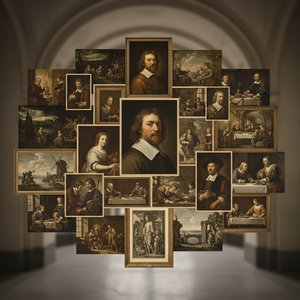
Рембранд ван Рейн: Топ 25 шедьовъра за вашия дом – галерия от AllPaintingsStore.com
Открийте 25 шедьовъра на Рембранд ван Рейн в галерията на AllPaintingsStore.com! Разгледайте историите зад известните му картини, барокови портрети и библейски сцени. Луксозни репродукции за вашия дом – изкуство с качество от музей. Explore the full collection online!

The Enduring Legacy of Oil on Canvas: Technique, History & Aesthetic Impact
Explore the rich history & techniques of oil painting – from Renaissance masters to Impressionism. Discover pigments, layering methods, and why this timeless medium endures. Expert insights for artists & art enthusiasts.

Oil on Canvas: A Historical & Technical Exploration of a Timeless Artistic Medium
Explore the rich history & enduring techniques of oil painting on canvas. Discover the science behind its longevity, conservation practices, and contemporary relevance. Expert insights for art enthusiasts.

Rembrandt van Rijn: A Life Illuminated – Exploring the Master of Light, Shadow, and Human Emotion
Explore the life & art of Rembrandt van Rijn, master of light and shadow. Discover his iconic paintings, revolutionary techniques, and enduring legacy with AllPaintingsStore – trusted experts in fine art reproductions since 2004.

The Enduring Power of Painting: A Historical & Contemporary Exploration of Form and Emotion
Explore the rich history & enduring techniques of oil painting with AllPaintingsStore. Discover masterpieces, learn about art collecting, and find authentic handmade reproductions crafted by skilled artists.


