


 Náhled v interiéru
 Sdílet
 Sdílet
 Podrobnosti o díle
 Průvodce

 Stáhnout
 Podobné položky
 Rentgenové snímky
 Slideshow
 Statistiky
Pavilion
 Oil On Canvas
- WallArt
- Bengal School of Art
 23.0 x 16.0 cm
 Victoria Memorial Hall
 Zobrazit více
Ručně malovaná olejová reprodukce
Rukou malované olejné plátno v libovolném rozměru i s rámem, vyrobené našimi umělci na zakázku. ( Přepnout na tisk Přepnout na digitální obraz)




P118B Kč10

P118H Kč10

P118W Kč10

P438Z Kč10

P508JH Kč12

P508YH Kč12

P805H Kč10

P805Z Kč10

P919BZ Kč10

P919G Kč10

P919XJ Kč10

P959ZH Kč10

P968JZ Kč12

W106C Kč8

W218G Kč10

W218JH Kč8

W218Y Kč10

W307PJ Kč10

W316G Kč10

W316PJ Kč8

W316Y Kč10

W398PJ Kč8

W4111J Kč10

W500HY Kč15

W500JH Kč15

W692G Kč12

W849H Kč8

W940BG Kč15

W953PJ Kč8




Vyberte si z našich přednastavených velikostí, které odpovídají původním proporcím díla.

Zadejte šířku a výšku, které potřebujete pro váš rám nebo stěnu. Protože se jedná o ruční malbu, při výběru jiného formátu může umělec kolem obrazu domalovat o něco více, nebo jej mírně oříznout — rozhodnete si vy. Před zahájením malby vám zašleme digitální náhled ke schválení. Obraz zobrazený na této stránce neodpovídá skutečnému výsledku — pouze digitální náhled jej zobrazuje.
Po přijetí objednávky vám tým AllPaintingsStore.com zašle e-mail s pokyny a poskytne náhledovou verzi.
Celosvětová doprava () za 3–4 týdny namísto standardních 5 týdnů. (26 říjen). Bez kompromisů v kvalitě.

Zdarma celosvětová expresní doprava

Vysoce kvalitní lněné plátno

Kompletní pojištění přepravy

Záruka vrácení celního poplatku

Záruka věrného barevného souladu

100dení lhůta pro vrácení zboží (pouze při vadách výroby)

100% záruka vrácení peněz

Sleva při více objednávkách
 Skleněná varianta je dostupná pouze u rozměrů menších než 110 cm

Pavilion
Technika reprodukce
Rozměry reprodukce
-


Celková cena za vybrané možnosti reprodukcí
Kč 5523
Abanindranath Tagore’s “Pavilion”: A Bridge Between East and West
The artwork presented here, Abanindranath Tagore's "Pavilion," isn’t merely a depiction of a building; it’s a carefully constructed visual poem, a pivotal moment in the history of Indian art. Painted in 1907, during a period of intense nationalistic fervor and artistic experimentation, this work represents Tagore’s audacious attempt to synthesize traditional Indian aesthetics with Western influences – a strategy that fundamentally reshaped the landscape of modern Indian painting. It's a piece brimming with symbolism, inviting viewers to contemplate themes of spirituality, identity, and the evolving relationship between tradition and modernity.
Tagore, deeply influenced by the Japanese aesthetic—particularly its emphasis on calligraphy and flattened perspective—and inspired by the Mughal and Rajput miniature traditions, sought to create an art form that resonated with Indian sensibilities. He deliberately rejected the academic realism prevalent in Western art schools, which he viewed as cold and devoid of spiritual depth. Instead, he drew upon the rich visual vocabulary of ancient India – its vibrant colors, stylized forms, and symbolic imagery—and infused it with a distinctly modern sensibility. “Pavilion” exemplifies this approach perfectly; it’s not a photographic representation but rather an evocative interpretation, prioritizing mood and feeling over strict adherence to reality.
A Symphony of Color and Symbolism
The painting immediately captivates the eye with its rich palette—a deliberate departure from the muted tones favored by Western artists. Deep blues and greens dominate the composition, evoking a sense of tranquility and spirituality, while bursts of crimson, gold, and saffron inject vibrancy and energy. These colors aren’t simply decorative; they carry profound symbolic weight. Blue represents the heavens and spiritual realms, red signifies passion and life force, and gold embodies divinity and enlightenment. The use of these hues is deeply rooted in Hindu iconography and reflects Tagore's desire to reconnect with India’s ancient spiritual heritage.
The pavilion itself—a structure reminiscent of Mughal palaces but imbued with a distinctly Indian character—is rendered with a flattened perspective, echoing the style of Japanese woodblock prints. The arched doorway, framed by intricate floral motifs and stylized clouds, serves as a focal point, drawing the viewer’s eye into the heart of the composition. Notice the deliberate simplification of forms – a hallmark of both Mughal and Japanese art—which contributes to the painting's serene and contemplative atmosphere. The figures depicted within the pavilion are not realistically rendered but rather presented as stylized silhouettes, further emphasizing the work’s symbolic nature.
Historical Context and Artistic Significance
“Pavilion” was created during a crucial period in Indian history—the early 20th century—a time marked by growing nationalist sentiment and a desire to reclaim India's cultural identity after centuries of colonial rule. Tagore’s art played a significant role in this movement, providing a visual language for expressing Indian values and traditions. He founded the Bengal School of Art, which championed a distinctly Indian style of painting that drew inspiration from both ancient and contemporary sources. This school challenged the dominance of Western artistic styles and paved the way for a new generation of Indian artists.
Tagore’s work wasn't without its critics. Some accused him of diluting traditional Indian art by incorporating Western elements, while others praised his innovative approach to blending Eastern and Western aesthetics. However, “Pavilion” remains a testament to Tagore’s artistic vision—a bold and ambitious attempt to create an art form that was both deeply rooted in India's cultural heritage and open to new influences. It stands as a pivotal work in the development of modern Indian painting, demonstrating the power of art to shape national identity and express complex ideas.
A Timeless Masterpiece for Your Space
Reproduced on high-quality canvas or paper, Abanindranath Tagore’s “Pavilion” offers a captivating glimpse into India's rich artistic heritage. Its serene composition, vibrant colors, and evocative symbolism make it an ideal addition to any home or office space. Whether you are drawn to its spiritual depth, its historical significance, or simply its aesthetic beauty, this artwork is sure to inspire contemplation and add a touch of timeless elegance to your surroundings. Consider commissioning a hand-painted reproduction from AllPaintingsStore.com for a truly authentic experience.
Otázky a odpovědi
Je „Pavilion“ od Abanindranath Tagore portrét, krajina nebo čtvercová kompozice?
Dílo „Pavilion“ od Abanindranath Tagore má formát Portrait. Tento formát určuje poměry kompozice.
Jaká velikost tisku díla „Pavilion“ od Abanindranath Tagore se hodí do doporučené místnosti?
Pro místnost typu Living Room doporučujeme pro dílo „Pavilion“ tisk v rozměru Medium.
Jakým způsobem se dílo „Pavilion“ zapojuje do témat a stylu umělce Abanindranath Tagore?
„Pavilion“ patří k dílu Abanindranath Tagore v rámci směru Bengal School of Art, jehož typická témata zahrnují mughal, rajput, indian traditions, swadeshi values, nationalist art, colonial calcutta, urban life, tagore’s artistic synthesis”.
Podobná díla


Biografie umělce
Raný život a pozadí
- Narozen: 7. května 1861, Joransanko, Kalkata, Britská Indie
- Zemřel: 5. prosince 1951
- Rodina: Člen významné rodiny Tagore; bratranci Rabindranath Tagore. Jeho dědem grandfather byl Girindranath Tagore a jeho otec byl Gunendranath Tagore.
- Vzdělání: Studoval na Sanskrit College v Kalkatě v 80. letech 19. století a později navštěvoval Calcutta School of Art.
Umělecký rozvoj a vlivy
- Raná výchova: Ovládl pastelovou techniku od O. Ghilardiho a olejomalbu od Charlese Palmera na Calcutta School of Art.
- Mogulský a Radžpútský styl: Snažil se tyto styly modernizovat a zároveň odmítal západní umělecké vzory.
- Hodnoty Swadeshi: Do svého umění včlenil hodnoty hnutí Swadeshi, čímž prosazoval indické tradice.
- Whistlerův estetismus: Byl ovlivněn estetickými principy Jamese Whistlera. ly
- Japonský vliv: Po setkání s umělci Tikanem a Hesidou později do svého stylu začlenil čínské a japonské kaligrafické tradice.
Hlavní díla a umělecký přínos
- Rohini II: Výrazné dílo prokazující jeho uměleckou zručnost.
- Passing of Shajahan (Smrt Šáhádána): Dalý významný obraz odrážející jeho styl.
- Season Flower in a Vase: Demonstruje jeho mistrovství v technice i zvoleném tématu.
- Série Arabian Nights (1930): Jedno z jeho nejlepších úspěchů, kde využil příběhy tisíc a jedné noci k průzkumu koloniální Kalkaty.
- Bharat Mata: Významný obraz symbolizující Matku Indii.
- Zakladatel bengálské školy umění: Odegral klíčovou roli v utváření moderní indické malby a prosazování nacionalistického umění.
- Indická společnost orientálního umění (1907): Založil tuto společnost s cílem podporovat tradiční indické umělecké formy.
Odkaz a historický význam
- Pionýr moderní indické malby: Uznán jako klíčová postava v rozvoji moderního indického umění.
- Vliv na pozdější umělce: Působil jako mentor významných umělců, jako byli Nandalal Bose, Asit Halder, Kshitindranath Majumdar a Jamini Roy.
- Obrození tradičních uměleckých forem: Prosazoval návrat k tradičním indickým techniky a stylům.
- Přínos k bengálské dětské literatuře: Napsal vlivné dětské knihy, jako jsou Rajkahini,
- Budo Angla, Nalak a Khirer Putul.
- Národní umělecké poklady: Jeho díla jsou považována za národní umělecké poklady.

Abanindranath Tagore
1871 - 1951 , Indie
Rychlé informace o umělci
- Artistic Movement Or Style: Bengal School of Art
- Artists Or Movements Influenced By This Artist:
- Nandalal Bose
- Kshitindranath Majumdar
- Jamini Roy
- Artists Who Influenced This Artist:
- Whistler
- Mogulští umělci
- Rajpútští umělci
- Date Of Birth: 7. května 1871
- Date Of Death: 5. prosince 1951
- Full Name: Abanindranath Tagore
- Nationality: Indická
- Notable Artworks:
- Rohini II
- Smrt Šáhádžána
- Sezónní květina ve váze
- Place Of Birth: Jorasanko, Indie
Související články

Raja Ravi Varma: Bridging Tradition & Modernity in 19th-Century Indian Art
Explore the life & art of Raja Ravi Varma, a pioneer who fused European techniques with Indian iconography. Discover his iconic paintings, lasting legacy, and influence on modern Indian art at AllPaintingsStore.
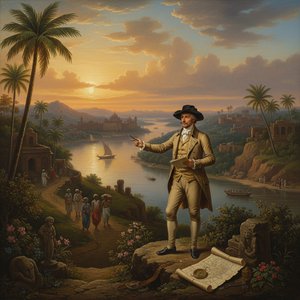
Thomas Daniell: Navigating Light, Landscape & Cultural Exchange in Early 19th-Century India
Explore the captivating landscapes of Thomas Daniell, a pioneering artist who documented India's beauty in the 19th century. Discover his 'Oriental Scenery,' aquatint technique & lasting legacy. Hand-painted reproductions available at AllPaintingsStore.

Joseph Henry Sharp: Capturing the Spirit of the Plains – Life, Art & Legacy
Explore the life & art of Joseph Henry Sharp, a founding member of the Taos Society of Artists renowned for his realistic depictions of Native American culture and Western landscapes. Discover his legacy with AllPaintingsStore.
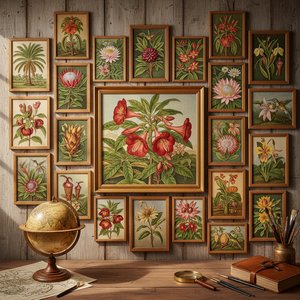
Marianne North: 25 mistrovských děl průkopnice botanické malby | AllPaintingsStore.com
Prozkoumejte 25 úchvatných děl Marianne North, průkopnice botanické malby. Obdivujte viktoriánskou krásu exotických rostlin a květin v olejomalbách plných barev a inspirace pro váš interiér. Reprodukce obrazů na AllPaintingsStore.com.
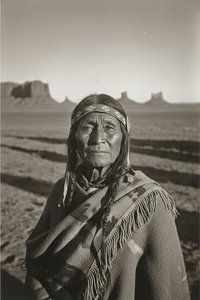
Shadow Catcher: Edward S. Curtis & the Ethnographic Portraiture of a Vanishing West
Explore the life & work of Edward S. Curtis, the 'Shadow Catcher,' and his groundbreaking photographic documentation of Native American cultures. Discover iconic images from *The North American Indian* and a critical look at his lasting legacy.

