


 Náhled
 Sdílet
 Sdílet
 Podrobnosti o díle

 Stáhnout
 Podobné položky
 Rentgenové snímky
 Slideshow
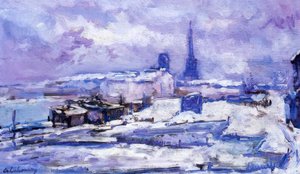
Am Ufer

 Zobrazit více
Giclée / Umělecký tisk
Giclée nebo plátěný tisk muzeální kvality s rychlou výrobou a flexibilními možnostmi povrchové úpravy. ( Koupit ručně malovaný obraz Koupit obrázek)




































Vyberte si z našich přednastavených velikostí, které odpovídají původním proporcím díla.

Můžete zadat vlastní rozměry tak, aby výtvor odpovídal konkrétnímu rámu nebo prostoru. Pokud zvolená velikost nebude odpovídat poměru stran původního obrazu, dílo buď ořížeme, nebo obraz rozšíříme pomocí zrcadlového efektu či jednobarevného okraje. Před zahájením výroby vám bude zaslán digitální náhled k schválení.
Mějte prosím na paměti, že náhled na obrazovce neodráží skutečné oříznutí nebo rozšíření. Pouze digitální náhled přesně zobrazí finální kompozici.
Ačkoliv jsou k dispozici i vlastní rozměry, pro zachování původních proporcí doporučujeme vybrat si rozměr z předdefinovaného seznamu.
Celosvětové doručení () do 2 týdnů namísto standardních 4/5 týdnů. (15 srpen)

Zdarma celosvětová expresní doprava

Vysoce kvalitní lněné plátno

Kompletní přepravní pojištění

Záruka vrácení celního poplatku

Záruka přesného barevného shodu

60denní lhůta pro vrácení zboží (pouze při vadách výroby)

100% garance vrácení peněz

Sleva při hromadné objednávce
 Skleněná varianta je dostupná pouze u rozměrů menších než 110 cm

Am Ufer
Giclée / Umělecký tisk
Rozměry reprodukce
-


Celková cena za výběr
$ 64
Podobná umělecká díla


Biografie umělce
The Radiant Legacy of Albert Aublet
Born in the heart of Paris in 1851, Albert Aublet emerged from the vibrant, shifting currents of the French art scene during the Belle Époque. His journey began within the prestigious halls of the École des Beaux-Arts, where he refined his craft under the watchful eyes of masters such as Claudius Jacquand and the renowned Jean-Léon Gérôme. This rigorous academic foundation provided him with a technical precision that would later serve as the bedrock for his more expressive explorations. His early debut at the 1873 Salon marked the arrival of a significant talent, earning immediate recognition when works like Intérieur de Boucherie au Tréport were acquired by notable figures such as Alexandre Dumas Fils. In these formative years, Aublet’s brush captured the quiet dignity of rural life and the rugged beauty of Normandy, establishing a reputation for realism that resonated with the era's fascination with unvarnished truth.
As his career matured, Aublet’s artistic gaze drifted far beyond the borders of France, seeking the luminous allure of the Orient. A transformative journey to Constantinople in 1881 ignited a lifelong passion for Orientalist themes, forever altering the trajectory of his oeuvre. This fascination was not merely a pursuit of the exotic but a deep, scholarly engagement with new light and culture. Accompanied by contemporaries like Jean-Léon Gérôme and Alberto Pasini, he explored the vibrant landscapes of Algeria and Turkey, translating the bustling marketplaces, architectural grandeur, and atmospheric subtleties of the East onto canvas. His work became a bridge between European academic tradition and the sensory richness of North Africa and the Ottoman Empire, characterized by an acute sensitivity to light and a masterful use of tonal gradations that breathed life into every scene.
Mastery of Light and Subject
The evolution of Aublet’s technique saw him move seamlessly between the structured demands of Academic Art and the more fluid, emotive qualities found in his watercolors and gouaches. He possessed a rare ability to capture fleeting moments—the way sunlight filters through a veil or the soft glow of dusk over a Tunisian courtyard. This mastery extended into his depictions of human figures, where he explored both the grace of nudes and the intimate character studies of local dignitaries and everyday people. His later years were deeply intertwined with the culture of Tunis; having purchased the magnificent Palais Dar Ben Abdalah in 1905, he became a central figure in the local art community, even serving as president of the first local art salon. This deep immersion allowed his work to transcend mere observation, becoming a soulful documentation of a world in transition.
Aublet’s achievements were met with significant international acclaim, reflecting his status as a truly global artist. His contributions to the art world were punctuated by prestigious honors that solidified his standing among the elite of his time:
- The 1880 Salon Medal: An early recognition of his burgeoning skill and rising prominence in Paris.
- The 1889 Paris World's Fair Gold Medal: A crowning achievement that celebrated his ability to captivate a worldwide audience during the height of the Exposition Universelle.
- The Légion d'honneur (1890): A profound testament to his cultural impact and his service to the French artistic tradition.
Today, the historical significance of Albert Aublet lies in his ability to synthesize the meticulousness of the Academy with the evocative spirit of Impressionism. His paintings remain vital windows into a bygone era, preserved in esteemed collections such as the Musée National des Beaux-Arts de Québec and the Philadelphia Museum of Art. Through his eyes, we continue to witness the enduring magic of the Orient and the timeless elegance of the French tradition, rendered with a hand that understood both the weight of history and the lightness of a passing shadow.

albert aublet
1851 - 1938 , France
Rychlé fakta
- Artistic Movement Or Style: Orientalist Art
- Date Of Birth: Paris, France (1851)
- Full Name: Albert Aublet
- Nationality: French
- Notable Artworks:
- Am Ufer
- Tea Roses
- Automne
- Place Of Birth: Paris
Související články
Top 10 impresionistických mistrovských děl, která změnila svět umění |
Prozkoumejte 10 ikonických děl impresionismu od Monet, Renoir, Degas a dalších. Objevte příběhy za obrazy plnými světla a barev. Najděte perfektní umělecké reprodukce pro váš interiér na .

Ephemeral Lines: Exploring Emotional Resonance in Ink Sketching Traditions
Explore the profound art of ink sketching! Discover techniques to express emotion, master line work, and cultivate artistic sensitivity. Learn from historical masters & unlock your creative potential.

Albert Charles Lebourg: A Study in Atmospheric Impressionism & Rural France
Explore the serene landscapes of Albert Charles Lebourg, a master of the Rouen School Impressionists. Discover his atmospheric paintings of the Seine and enduring legacy in 19th-century French art.

Albert Edelfelt: A Pioneer of Finnish Realism & International Impressionist Circles
Explore the life & work of Albert Edelfelt, a pioneering Finnish Realist painter who bridged Impressionism & national identity. Discover his masterpieces and lasting influence on art history.

Alfred Freddy Krupa: A Modern Visionary of New Ink Art & Emotional Depth
Explore the captivating world of Alfred Freddy Krupa, a pioneering Croatian artist redefining New Ink Art. Discover his unique technique, powerful themes, and global impact. A must-read for art enthusiasts & collectors.



