


 Náhled v interiéru
 Sdílet
 Sdílet
 Podrobnosti o díle
 Průvodce

 Stáhnout
 Podobné položky
 Rentgenové snímky
 Slideshow
 Otázky a odpovědi
 Statistiky
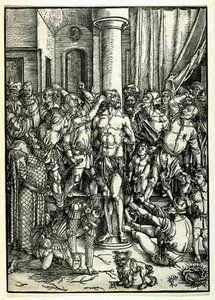
Flagellation


 Zobrazit více
Giclée / Umělecký tisk
Giclée nebo plátěný tisk muzeální kvality s rychlou výrobou a širokou nabídkou povrchových úprav. ( Koupit ručně malovaný obraz Přepnout na digitální obraz)




P118B Kč10

P118H Kč10

P118W Kč10

P438Z Kč10

P508JH Kč12

P508YH Kč12

P805H Kč10

P805Z Kč10

P919BZ Kč10

P919G Kč10

P919XJ Kč10

P959ZH Kč10

P968JZ Kč12

W106C Kč8

W218G Kč10

W218JH Kč8

W218Y Kč10

W307PJ Kč10

W316G Kč10

W316PJ Kč8

W316Y Kč10

W398PJ Kč8

W4111J Kč10

W500HY Kč15

W500JH Kč15

W692G Kč12

W849H Kč8

W940BG Kč15

W953PJ Kč8




Vyberte si z našich přednastavených velikostí, které odpovídají původním proporcím díla.

Zadejte šířku a výšku, které potřebujete pro váš rám nebo stěnu. Tisk lze pouze oříznout, nikdy však nelze zvětšit obraz nad jeho původní rozměr, proto při výběru jiného formátu dochází ke ztrátě části obrazu. Před samotným tiskem vám zašleme digitální náhled k schválení. Obraz zobrazený na této stránce nenabízí skutečný výřez — ten uvidíte pouze v náhledu.
Celosvětové doručení () do 2 týdnů namísto standardních 4/5 týdnů. (10 listopad)

Zdarma celosvětová expresní doprava

Vysoce kvalitní lněné plátno

Kompletní pojištění přepravy

Záruka vrácení celního poplatku

Záruka věrného barevného souladu

100dení lhůta pro vrácení zboží (pouze při vadách výroby)

100% záruka vrácení peněz

Sleva při více objednávkách
 Skleněná varianta je dostupná pouze u rozměrů menších než 110 cm

Flagellation
Giclée / Umělecký tisk
Rozměry reprodukce
-


Celková cena za vybrané možnosti reprodukcí
Kč 1419
Identification of the Flagellation by Albrecht Dürer
The woodcut Flagellation by Albrecht Dürer captures a moment of profound torment. This Northern Renaissance work presents a scene of intense suffering within a structured architectural setting. The lines of the woodblock define the heavy geometry of columns and arches, framing the chaos of the figures caught in the act of violence. It is a study of tension held within a monochromatic world.
Albrecht Dürer utilized the precision of the woodcut to translate religious agony into a visual language of stark contrasts. The composition draws the eye toward the central struggle, where the physical reality of pain meets the rigid order of the portico. Every stroke of the tool contributes to the weight of the scene, turning a biblical event into a visceral encounter with human suffering. The shadows fall deep across the contorted limbs of the subjects.
This specific print belongs to a period of intense technical development for the artist. It remains a significant example of the Northern Renaissance style, where meticulous detail meets emotional gravity. The work exists as a quiet, heavy presence on the page.
Composition and Visual Elements
The scene unfolds within the cold, rigid geometry of an architectural portico. Figures are crowded into this space, packed tightly together in a chaotic arrangement that creates a sense of claustrophobia. Bodies overlap and twist, caught in a moment of intense torment. This density pushes the viewer toward the center of the violence, where human degradation is rendered through contorted limbs and pained expressions. The perspective feels somewhat flattened, a two-dimensional arrangement that emphasizes the weight of the suffering rather than the depth of the room.
Light and shadow act as the primary architects of this tension. The lighting is uneven, casting heavy, dark shadows that carve out the contours of the suffering subjects. These shadows cling to the folds of fabric and the hollows of skin, heightening the visceral impact of the execution. A grayscale palette governs the entire work, stripping away the distraction of color to focus on the stark contrast between light and dark. The absence of hue leaves only the raw reality of the scene: the pale skin of the victims against the dark, unyielding stone of the columns.
Technique and Artistic Style
The composition relies on a rigorous, linear precision. Sharp lines define the rigid geometry of the arches and the heavy columns of the portico, creating a structural skeleton for the chaos. These lines trace the outlines of the figures, carving their contorted limbs out of the shadows. The style draws heavily from the traditions of Renaissance painting, seeking to organize space through a controlled, mathematical logic. Every architectural element is rendered with a clarity that anchors the scene in a cold, unyielding reality.
Meticulous brushwork and shading build the weight of the subjects. Through subtle variations in tone, the artist simulates the tactile reality of skin, heavy fabric, and weathered stone. This technique creates a palpable sense of volume, turning flat shapes into three-dimensional forms that occupy the space with physical presence. The interplay of light and dark emphasizes the dramatic contours of the bodies, making the physical agony feel immediate. It is a study of texture achieved through the disciplined application of shade.
Related Works by Albrecht Dürer
The shadow of the scourging follows the artist through various iterations of sacred suffering. In the woodcut known as The Large Passion: 3. Flagellation of Christ, dated 1497, the narrative takes shape through the stark, rhythmic lines of the woodblock. This work shares a lineage with the Flagellation of Christ from the same year, where the brutality of the scene is captured through the precise, unyielding geometry of the German Renaissance. These early explorations of the Passion establish a visual language of tension and religious weight.
Later, the artist turned to the sharp bite of the metal burin. The 1512 engraving, Flagellation (No. 6), held at the University Art Museum, Princeton, utilizes dense hatching and cross-hatching to define the musculature of the torment and the heavy folds of drapery. It is a study in monochromatic depth, where light and shadow define the very anatomy of pain. The precision of the line creates a tactile reality, turning the copper plate into a landscape of human endurance.
Other works from his prolific output include:
The weight of the woodcut and the precision of the engraving remain linked by a singular, driving focus on the physical reality of the divine. Each stroke of the tool seeks to map the intersection of the spiritual and the visceral. The ink settles into the paper, quiet and still.
Otázky a odpovědi
Do jaké fáze tvůrčího rozvoje Albrecht Dürer patří dílo „Flagellation“?
„Flagellation“ představuje období Mature Period umělce Albrecht Dürer.
O čem "Flagellation" je a jakou atmosféru vyzařuje?
„Flagellation“ od Albrecht Dürer spojuje religious suffering, torture, medieval art, durer’s work, pain, sacrifice, human degradation, renaissance drama s Dramatic atmosférou.
Z jakého materiálu je dílo "Flagellation" vyrobeno a v jakém je stylu?
V díle "Flagellation" se setkává technika Woodcut sismem Northern Renaissance.
Podobná díla




Biografie umělce
Albrecht Dürer: Život a Umělecké Dílo
Albrecht Dürer, jméno synonymum s německým renesančním umělcem, se zrodil v rušném řemeslném městě Norimberk v roce 1471. Jeho otec, Albrecht Dürer starší, byl úspěšný zlatník, který emigroval z Maďarska a přinesl s sebou tradici mistrovského řemesla. V tomto prostředí – vůni kovu a preciznosti ručního zpracování – se v Důrerově raném životě zaklínala jeho umělecká sklona. Ačkoli jeho otec předpokládal, že ho bude učit zlatnictví, brzy bylo zřejmé, že Albrecht disponuje výjimečným talentem pro kreslení. V třinácti letech přešel pod vedení Michaela Wolgemuta, vedoucího umělce Norimberku v té době. Nešlo o pouhé technické vzdělání; jednalo se o ponoření do světa iluminovaných rukopisů, malovaných panelů a – především – rozvíjejícího se umění dřevořezu. Objem práce produkovaný Wolgemutovým ateliérem, včetně rozsáhlých ilustrací pro *Norimberský Kroniku*, poskytl Důrerovi bezprecedentní základy v oblasti designu, kompozice a mechanismu obrazového vyprávění. Významný silverpoint portrét mladého Důrera z roku 1484, vytvořený ve věku pouhých patnácti let, je ohromujícím důkazem jeho předpokladu talentu – svědectvím rozvíjející se umělecké identity.Vliv Itálie a Umělecká Zralost
Důrerova ambice však přesahovala hranice Norimberku. Poháněn neochuzenou zvědavostí a touhou po mistrovství v malířství, vydal se na svou první cestu do Itálie v roce 1494. Nebyla to pouhá turistická exkurze; byla to poutní cesta do srdce Renesance. Setkal se s umělci jako Rafael, Giovanni Bellini a Leonardo da Vinci – umělci, kteří přepisovali možnosti tvaru, perspektivy a lidského vyjádření. Tento kontakt měl hluboký dopad. Dürer absorboval klasické motivy, harmonické kompozice a jemné sfumato techniky charakteristické pro italské umění, ale nikdy neztratil svůj severoevropský cit pro preciznost a symbolickou hloubku. Druhá návštěva Itálie mezi lety 1505 a 1507 mu umožnila studovat starověké římské ruiny a upřesnit své porozumění anatomii a proporcím. Tato syntéza severoevropské preciznosti a italského renesančního elegance se stala charakteristickou vlastností Důrerova jedinečného uměleckého stylu.Mistrovství Prostředků: Malba, Gravura a Dřevořez
Dürer byl mistrem v mnoha prostředcích, z nichž každý mu nabízel odlišné možnosti pro kreativní vyjádření. Jeho malby, i když jsou méně početné než jeho tisky, demonstrují neuvěřitelnou kontrolu nad olejem a schopnost zachytávat jak fyzickou podobnost, tak psychologickou hloubku. Díla jako *Feast of the Rose Garlands* (Hostiny růží) odhalují živé paletu ovlivněnou benátskou barvou. Nicméně to bylo v oblasti gravury – zejména leptání a dřevořezu – kde Dürer skutečně revolucionalizoval uměleckou praxi. Zvedl tyto techniky z pouhého reprodukčního způsobu na nezávislé umělecké formy, schopné vyjadřovat složité příběhy a hluboké emoce. Série *Apocalypse* (Zjevení) (1498), která představuje čtrnáct dřevořezů zobrazujících knihu Zjevení, ukázala jeho mistrovství v této technice, i přes její inherentní omezení. Pozdější leptání jako *Melencolia I* (1514) a *Saint Jerome in his Study* (Svatý Jeroným ve svém studiu) (1514) jsou svědectvími jeho neporovnatelné zručnosti – složité kompozice plné symbolického významu a provedené s ohromující přesností. Nevytvářel jen realitu; vkládal do ní vrstvy intelektuálního a duchovního smyslu.Teoretik a Inovátor: Dědictí Albrechta Důrera
Dürer nebyl jen umělec; byl teoretik, inovátor a odborník, který se snažil pochopit principy, které řídí umělecké tvoření. Věřil v matematické základy umění a věnoval se budování vědeckého přístupu k reprezentaci. Jeho traktáty o geometrii, proporcích a lidské anatomii – zejména *Four Books on Human Proportions* (Čtyři knihy o lidských proporcích) (1528), z nichž první byl publikován za jeho života – byly průlomové pro svou dobu, ukazovaly závazek k pečlivému pozorování a racionální analýze. Tyto práce nebyly pouhé akademické cvičení; měly sloužit k posavení statusu umělců z pouhých řemeslníků na intelektuální praktiky. Dürerovo dědictví přesahuje jeho jednotlivá díla. Spojil severoevropské tradice s italskými renesančními ideály, představil klasické motivy do severního umění a zachoval jeho charakteristický rys. Jeho teoretické příspěvky pomohly nastolit nový rámec pro uměleckou praxi, inspiroval generace umělců svým technickým mistrovstvím, inovativním myšlením a hlubokým vhledem. Jeho dílo stojí dodnes jako důkaz síly pozorování, touhy po poznání a trvalého lidského úsilí o vytvoření krásy a smyslu.Vlivy a Trvalý Dopad
- Michael Wolgemut: Důrerův počáteční mentor, poskytl mu základní dovednosti v kreslení, malbě a dřevořezu.
- Leonardo da Vinci: Inspiroval Důrera k prozkoumávání anatomie, perspektivy a sfumato – jemného míchání tónů.
- Rafael: Ovlivnil harmonii kompozice a idealizované formy Důrera.
- Giovanni Bellini: Přispěl k porozumění Důrera benátskému uměleckému stylu.

Albrecht Dürer
1471 - 1528 , Německo
Rychlé informace o umělci
- Artistic Movement Or Style: Německý renesans
- Artists Or Movements Influenced By This Artist: ['Německá renesance']
- Artists Who Influenced This Artist:
- Leonardo da Vinci
- Michael Wolgemut
- Raphael
- Date Of Birth: 21. května 1471
- Date Of Death: 6. dubna 1528
- Full Name: Albrecht Dürer
- Nationality: Němec
- Notable Artworks:
- Melencolia I
- Svatý Jeroným
- Klanění králů
- Place Of Birth: Nürnberg, Německo
Související články

10 legendárních гравюр, které změnily umění navždy | AllPaintingsStore
Prozkoumejte 10 legendárních гравюр od Rembrandta, Dürera a Goyi. Objevte příběhy mistrů, techniky rytiny a umělecké dědictví baroka i renesance. Reprodukce obrazů pro váš interiér na AllPaintingsStore.com

25 Pokladů Britského muzea: Umělecká mistra a příběhy pro váš domov
Prozkoumejte 25 nejúžasnějších uměleckých děl Britského muzea! Objevte příběhy slavných malířů, starověké sochy a historické obrazy. Najděte inspiraci pro váš interiér s reprodukcemi obrazů na AllPaintingsStore.com

Albrecht Dürer: A Renaissance Master's Legacy of Innovation and Self-Portraiture
Explore the life & art of Albrecht Dürer, a pivotal German Renaissance master. Discover his groundbreaking printmaking techniques, iconic self-portraits, and lasting influence on Western art history. A deep dive into innovation & symbolism.

German Renaissance Unlocked: The Bold Precision and Iconic Mastery of Albrecht Dürer Reimagined
Discover the bold precision of the German Renaissance. Explore the legendary mastery of Albrecht Dürer through expert art history insights and premium, hand-painted reproductions designed to bring iconic Northern Renaissance detail into your modern collection.
Albrecht Dürer: 25 mistrovských děl renesance pro váš domov | AllPaintingsStore.com
Prozkoumejte 25 ikonických děl Albrechta Dürera, mistra renesance. Objevíte jeho rytiny, malby a grafiku plné symboliky a preciznosti. Najděte inspiraci pro váš interiér s kvalitními reprodukcemi na AllPaintingsStore.com


