


 Zobrazit v interiéru
 Odeslat
 Sdílet
 Podrobnosti
 Průvodce

 Stáhnout obrázek
 Podobné kousky
 Rentgenové snímky
 Slideshow
 Statistiky
Marie
 Olej na plátně
- Obrazová tvorba na stěnu
- Baroque
 1646
1646 49.0 x 43.0 cm
 Szépművészeti Múzeum
 Přečíst si více
Ručně malovaná olejová reprodukce
Ručně malované olejné plátno v libovolném rozměru i s rámem, vyrobené našimi umělci na zakázku. ( Přepnout na tiskové verze Přepnout na digitální verzi obrazu)




P118B Kč10

P118H Kč10

P118W Kč10

P438Z Kč10

P508JH Kč12

P508YH Kč12

P805H Kč10

P805Z Kč10

P919BZ Kč10

P919G Kč10

P919XJ Kč10

P959ZH Kč10

P968JZ Kč12

W106C Kč8

W218G Kč10

W218JH Kč8

W218Y Kč10

W307PJ Kč10

W316G Kč10

W316PJ Kč8

W316Y Kč10

W398PJ Kč8

W4111J Kč10

W500HY Kč15

W500JH Kč15

W692G Kč12

W849H Kč8

W940BG Kč15

W953PJ Kč8




Vyberte si z našich přednastavených velikostí, které odpovídají původním proporcím díla.

Zadejte šířku a výšku, které potřebujete pro váš rám nebo stěnu. Protože se jedná o ruční malbu, při výběru jiného formátu může umělec kolem obrazu domalovat o něco více, nebo jej mírně oříznout — rozhodnete si vy. Před zahájením malby vám zašleme digitální náhled ke schválení. Obraz zobrazený na této stránce neodpovídá skutečnému výsledku — pouze digitální náhled jej zobrazuje.
Po přijetí objednávky vám tým AllPaintingsStore.com zašle e-mail s pokyny a poskytne náhledovou verzi.
Celosvětová doprava () za 3–4 týdny namísto standardních 5 týdnů. (22 říjen). Bez kompromisů v kvalitě.

Zdarma celosvětová expresní doprava

Vysoce kvalitní lněné plátno

Úplné pojištění přepravy

Záruka vrácení celního poplatku

Záruka věrného barevného shodu

100dení lhůta pro vrácení zboží (pouze při vadách výroby)

100% garance vrácení peněz

Sleva při více objednávkách
 Skleněná varianta je dostupná pouze u rozměrů menších než 110 cm

Marie
Technika provedení
Velikost reprodukce
-


Celková cena
Kč 5523
Alonso Cano’s “Mary”: A Baroque Portrait Steeped in Contemplation
Alonso Cano’s “Mary,” painted in 1646, stands as a testament to the enduring power of Baroque art—a style characterized by dramatic contrasts of light and shadow, opulent ornamentation, and an unwavering commitment to conveying profound emotion. Currently residing at the Szépmûvészeti Múzeum in Budapest, Hungary, this canvas measuring 49 x 43 cm offers more than just a visual spectacle; it invites viewers into a dialogue with themes of spirituality, introspection, and the complexities of human experience.The Artist’s Vision: Cano's Baroque Sensibility
Guido Cagnacci, Cano’s mentor, instilled in him a distinctive artistic sensibility—one that prioritized psychological realism above mere decorative splendor. Cano wasn’t interested in simply depicting Mary; he sought to capture her inner state, portraying her as a woman lost in thought, her gaze downward as if grappling with existential questions. This deliberate choice aligns perfectly with the Baroque preoccupation with capturing the subtleties of human emotion and exploring the spiritual dimensions of life. Cano's approach distinguishes him from many of his contemporaries who favored idealized representations—he embraced imperfection, believing it to be essential for conveying genuine feeling.Technique: Mastering Light and Shadow – Caravaggio’s Influence
Cano’s masterful manipulation of light and shadow owes considerable debt to the revolutionary techniques pioneered by Michelangelo Merisi da Caravaggio. Like Caravaggio, Cano employed tenebrismo—a dramatic chiaroscuro effect that intensifies emotional impact—to sculpt Mary's figure against a muted sky backdrop. The subtle gradations of color contribute to an atmosphere of serene contemplation, highlighting Mary’s vulnerability and conveying the profound seriousness of her gaze. This meticulous attention to detail underscores Cano’s dedication to achieving artistic excellence and reflects the Baroque ideal of portraying reality with uncompromising honesty.Historical Context: Spain Under Philip IV
“Mary” was created during a period of significant political upheaval in Spain—the reign of Philip IV witnessed escalating tensions between the monarchy and the nobility, as well as ongoing struggles against Habsburg rivals. Religious fervor permeated Spanish society, fueling artistic endeavors aimed at glorifying God and reaffirming Catholic dogma. Cano’s depiction of Mary embodies this spirit of piety, reflecting the widespread belief that art could serve as a vehicle for spiritual enlightenment and moral instruction. The Szépmûvészeti Múzeum's acquisition of “Mary” underscores Hungary’s commitment to preserving cultural heritage and showcasing masterpieces from across Europe.Symbolism: Serenity Amidst Uncertainty
Beyond its technical brilliance, “Mary” resonates with symbolic significance—a cornerstone of Baroque art. The muted sky symbolizes tranquility and spiritual purity, juxtaposed against Mary's contemplative posture, which embodies the human struggle to reconcile faith and reason. Her downward gaze invites viewers to contemplate profound truths—to consider questions of mortality, purpose, and divine grace. Cano’s deliberate use of symbolism elevates “Mary” beyond a mere portrait; it transforms it into an emblem of spiritual contemplation and enduring artistic legacy.Emotional Impact: A Moment Frozen in Time
Ultimately, “Mary” succeeds in evoking a powerful emotional response—one of quiet reverence and melancholic beauty. The painting’s understated elegance captures the essence of Baroque art's ability to stir the soul and inspire reflection. It remains a captivating work for collectors and interior designers alike, offering an opportunity to experience firsthand the artistic genius of Alonso Cano and the enduring fascination with themes of spirituality and introspection.Otázky a odpovědi
Jaká je doporučená velikost tisku pro dílo „Marie“ od Alonso Cano?
Pro dílo „Marie“ se doporučuje tisk ve velikosti Velká. K dispozici jsou i jiné velikosti se zachováním stejných proporcí.
Jak světlý je celkově obraz "Marie"?
Z hlediska vnímané jasnosti je dílo „Marie“ od Alonso Cano vyvážená.
Jakou atmosféru by do místnosti vnesla reprodukce díla „Marie“ od Alonso Cano?
Dílo „Marie“ s svou Romantický atmosférou se doporučuje do Lobby hotelů.
Související díla


Související články

The Golden Age Reforged: Dramatic Realism & Religious Zeal in Spanish Baroque Art
Explore the dramatic world of Spanish Baroque art! Discover masters like Zurbarán & the powerful influence of religious zeal on painting techniques – a guide for collectors and enthusiasts.

Baroque Classicism: The Grandeur of Order and Drama in 17th-Century Art History
Explore the profound elegance of Baroque Classicism. Discover how 17th-century masters synthesized dramatic emotion with classical order through the lens of the Counter-Reformation and the works of legends like Carlo Maratta and Andrea Sacchi.

The Dramatic Flourish: Exploring the Baroque Movement's Enduring Legacy in Art History
Explore the dramatic world of Baroque art! Discover iconic artists like Caravaggio & Rubens, defining techniques, and its lasting impact on art history. Expert insights for collectors & enthusiasts at AllPaintingsStore.
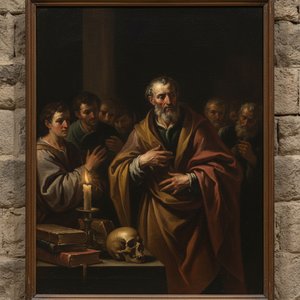
Spanish Baroque Art: The Dramatic Mastery of Light and Shadow in the Age of Velázquez
Explore the profound drama of Spanish Baroque art. Delve into the mastery of light, shadow, and realism through the legendary works of Diego Velázquez and the Spanish Golden Age.

The Visceral Stage: Exploring Dramatic Narratives & Emotional Intensity in Baroque Art
Explore the dramatic world of Baroque art! Discover iconic masters like Caravaggio & Rembrandt, their techniques, and the movement's lasting impact. Expert insights for collectors & enthusiasts at AllPaintingsStore.


