


 Zobrazit v interiéru
 Odeslat
 Sdílet
 Podrobnosti
 Průvodce

 Stáhnout obrázek
 Podobné kousky
 Rentgenové snímky
 Slideshow
 Statistiky
Frans Hellens


 Přečíst si více
Giclée / Umělecký tisk
Giclée nebo plátěný tisk muzeální kvality s rychlou výrobou a širokou nabídkou povrchových úprav. ( Objednat ručně malovanou reprodukci Přepnout na digitální verzi obrazu)




P118B Kč10

P118H Kč10

P118W Kč10

P438Z Kč10

P508JH Kč12

P508YH Kč12

P805H Kč10

P805Z Kč10

P919BZ Kč10

P919G Kč10

P919XJ Kč10

P959ZH Kč10

P968JZ Kč12

W106C Kč8

W218G Kč10

W218JH Kč8

W218Y Kč10

W307PJ Kč10

W316G Kč10

W316PJ Kč8

W316Y Kč10

W398PJ Kč8

W4111J Kč10

W500HY Kč15

W500JH Kč15

W692G Kč12

W849H Kč8

W940BG Kč15

W953PJ Kč8




Vyberte si z našich přednastavených velikostí, které odpovídají původním proporcím díla.

Zadejte šířku a výšku, které potřebujete pro váš rám nebo stěnu. Tisk lze pouze oříznout, nikdy však nelze zvětšit obraz nad jeho původní rozměr, proto při výběru jiného formátu dochází ke ztrátě části obrazu. Před samotným tiskem vám zašleme digitální náhled k schválení. Obraz zobrazený na této stránce nenabízí skutečný výřez — ten uvidíte pouze v náhledu.
Celosvětové doručení () do 2 týdnů namísto standardních 4/5 týdnů. (23 říjen)

Zdarma celosvětová expresní doprava

Vysoce kvalitní lněné plátno

Úplné pojištění přepravy

Záruka vrácení celního poplatku

Záruka věrného barevného shodu

100dení lhůta pro vrácení zboží (pouze při vadách výroby)

100% garance vrácení peněz

Sleva při více objednávkách
 Skleněná varianta je dostupná pouze u rozměrů menších než 110 cm

Frans Hellens
Giclée / Umělecký tisk
Velikost reprodukce
-


Celková cena
Kč 1373
The Soul Behind the Lens: A Study in Modigliani’s Melancholy
In the quiet, evocative realm of early 20th-century portraiture, few works capture the profound weight of human introspection quite like Amedeo Modigliani’s 1919 masterpiece, “Man with Glasses.” This painting is far more than a mere likeness; it is an intimate encounter with a solitary soul. The subject, rendered in a striking profile that has become a hallmark of the artist's oeuvre, gazes outward with an expression that oscillates between quiet contemplation and a deep-seated, haunting sadness. By centering the man’s head within the frame, Modigliani strips away the distractions of the external world, forcing the viewer into a direct, almost uncomfortably personal confrontation with the subject's psychological state.
The technique employed in this piece reveals a masterful command of disegno, where the precision of line and form takes precedence over mere decorative flourish. Modigliani utilizes subtle, masterful shading to sculpt the contours of the man’s face, lending a remarkable sense of three-dimensional realism to his otherwise stylized features. The elongated neck and streamlined facial structure are quintessential Modigliani, yet they are grounded by a meticulous observation of anatomy. This delicate balance between abstraction and realism creates a tension that keeps the eye moving, searching for meaning within the smooth, deliberate strokes of the brush.
A Reflection of an Era: Context and Symbolism
Created during Modigliani’s formative years in Paris, this portrait emerged at a time when the art world was being radically reshaped by Cubism and Futurism. While his contemporaries were deconstructing reality into geometric fragments, Modigliani chose a different path, looking backward to the emotional depth of Symbolism while forging a modern, singular identity. The inclusion of eyeglasses in this portrait serves as a profound symbolic device; they are not merely an accessory but a window into the subject's intellect and his inward-looking nature. Through these lenses, we witness a man caught in the throes of an era defined by post-war anxiety and the search for individual truth.
The emotional resonance of the work is amplified by its muted, earthy palette. Dominated by rich browns, warm ochres, and soft shadows, the color scheme evokes a sense of timelessness and somber dignity. The blurred, indistinct background further isolates the figure, creating a vacuum of space that emphasizes his solitude. For the collector or the admirer, this painting offers a window into the artist's own struggles with illness and disillusionment, making the "Man with Glasses" a universal emblem of the human condition—a testament to the beauty found within sorrow.
An Elegant Addition to the Modern Interior
For the discerning interior designer or art enthusiast, “Man with Glasses” offers unparalleled decorative potential. Its sophisticated and understated aesthetic makes it a versatile centerpiece for a variety of high-end environments. The painting’s neutral tones allow it to harmonize seamlessly with contemporary minimalist decor, mid-century modern furniture, or even more classical, traditional settings. It provides a focal point that invites conversation without overwhelming the room, acting as a quiet anchor of intellectual depth.
Integrating a high-quality reproduction of this work into a living space brings with it an atmosphere of cultured refinement. Whether placed in a sunlit study or a moody, dimly lit gallery wall, the portrait’s ability to evoke emotion ensures that it remains a living part of the home's narrative. It is an investment in mood and meaning, offering anyone who views it a moment of stillness and a profound connection to the enduring legacy of Amedeo Modigliani.
Otázky a odpovědi
Jaká technika byla použita u díla "Frans Hellens" a kdy bylo vytvořeno?
Dílo "Frans Hellens" vzniklo v roce 1919 za použití techniky Oil.
Jaké emoce vyvolává „Frans Hellens“ od Amedeo Modigliani?
„Frans Hellens“ od Amedeo Modigliani vyzařuje Melancholic emocionální náboj.
Jaké emoce vyjadřuje dílo Early Modern Expression s názvem „Frans Hellens"?
„Frans Hellens“ nese Melancholic emocionální nádech v rámci směru Early Modern Expression.
Související díla


Biografie umělce
A Life Etched in Longing: The World of Amedeo Modigliani
Amedeo Clemente Modigliani, jméno synonymum s pronikavou krásou a melancholickou grácií, zůstává jedním z nejmilovanějších a tragicky romantičtěji vyprávěných postav raného 20. století umění. Narodil se v Livornu, Itálie, v roce 1884 do rodiny s židovským dědictvím, jejíž život byl poznamenán hlubokou uměleckou vizí a trvalými obtížemi. Časté nemoci ho pronásledovaly v dětství – pleuritis a tyfus se staly nepříjemnými společníky – možná tak instinktivně rozvíjející citlivost na křehkost, která by se projevila ve jeho díle. I když se narodil do relativního pohodlí, rodinné finance postupně klesly, což přidalo další vrstvu složitosti do mladého Modiglianiho formativních let. Byl to dětství poznamenané intelektuálním stimulusem, díky matce a dědečkovi, kteří ho uvedli do světa Nietzscheho, Baudelairea a Lautréamonta, položením základu pro uměleckou citlivost, která by odmítala konvence.
Přitažení Paříží bylo neodolatelný, a v roce 1906 se Modigliani vydal na cestu, která definovala jeho kariéru. Město tehdy bylo krutinovým uměleckým centrem, pulzujícím revolučními myšlenkami a zpochybňujícím konvence. Vžíval se do živého uměleckého prostředí, setkával se s velikány jako Pablo Picasso a Constantin Brâncuși, osobnostmi, které hluboce ovlivnily jeho estetický směr. Zpočátku byl přitáhl k rozvíjejícímu se kubistickému směru, ale brzy zjistil, že jeho rigidní geometrie je příliš omezující pro jeho expresivní potřeby. Jeho umělecký duch toužil po něčem lyrickém, hluboce zakořeněném v lidské emocích. Začal období intenzivního experimentování, absorboval vlivy z africké sochaře – zejména jeho prodloužené tvary a zjednodušené rysy – a archaickou gracií italského renesančního umění.
The Sculpted Soul: Style and Innovation
Modiglianiho signaturní styl vznikl jako jedinečná syntéza těchto rozmanitých inspirací. Jeho portréty, bezesporu jeho nejvýznamnější díla, jsou okamžitě rozpoznatelné díky prodlouženým tvářím a krčníkům, slzy bez zornic a celkovému pocitu klidného smutku. Nešlo jen o podobnosti; šlo o prozkoumávání vnitřního života, zachycení hluboké psychologické hloubky v každém subjektu. Odstranil zbytečné detaily a soustředil se na esenciální tvary, aby vyjádřil emoce s pozoruhodnou ekonomickou účinností. Jeho nůžky, často kontroverzní během jeho života, mají podobný charakter – klidnou důstojnost a zranitelnost, které přesahují pouhou fyzickou reprezentaci. Postavy nejsou explicitně smyslné, ale jsou naplněny pocitem neohroženého krásu a existenciální touhy.
Kromě malby se Modigliani věnoval i sochařství, kde vytvořil sérii stylizovaných hlav a hrudů. Tyto sochy, ovlivněné africkým uměním a Brâncușiho redukcionistickými formami, dále demonstrují jeho závazek k zjednodušení tvaru a zdůraznění esenciálních vlastností. I když je vystavoval krátce s kubisty skupiny Section d'Or v roce 1912, díla byla přijata tvrdě a většinou stačila odstranit z veřejného výhledu. Tato odmítnutí hluboce ovlivnila Modiglianiho, přispívající k období umělecké sebevzněnosti a finančních potíží.
A Life Marked by Shadows
Modiglianiho osobní život byl stejně turbulentní jako jeho umělecká cesta. Bojoval s chudobou a závislostí po většinu svého života, často spoléhal na laskavost přátel a mecenášů. Jeho vztah s Jeanne Hébuterne, mladou umělkyni sama, se stal centrálním emocionálním pilířem jeho života. Sdíleli hlubokou lásku a vzájemné umělecké porozumění, ale jejich štěstí bylo tragicky krátkodobé. Tlaky chudoby, Modiglianiho zhoršujícího se zdraví a Jeanneiny těhotenství vytvořily nesnesitelný tlak. V roce 1920, zlomený narozením jejich dcery a přemohlý zoufalstvím, Jeanne sebevraždu ukončila. Jen několik dní poté zemřel Modigliani na tuberkulární meningitidu ve věku pouhých 35 let.
Legacy of a Lost Generation
Přestože se během svého života nestal uznávaným, dílo Amedea Modiglianiho zažil dramatický nárůst popularity po jeho smrti. Jeho malby a sochy začaly dosahovat stále vyšších cen a jeho charakteristický styl vyvinul hluboký vliv na další generace umělců. Stal se ikonou bohémského ducha, ztělesňujícím boje a triumfy ztracené generace, která se potýkala s modernitou a existenciálními otázkami.
Notable Works
- Nude Bust (35 x 26 cm): Základní příklad Modiglianiho prodloužených tvarů a expresivního stylu, který demonstruje jeho mistrovství lidského těla.
- Reclining Nude with Loose Hair: Ukazuje jeho schopnost zachytit podstatu ženskosti s jemnou rovnováhou smyslnosti a zranitelnosti.
- Seated Female Nude (92 x 60 cm): Výrazný obraz ženské postavy, charakterizovaný zjednodušenými tvary a klidným klidem.
- Portrait of Jeanne Hébuterne: Mnoho portrétů zachycujících jeho milenku a muse, odhalujících hlubokou emocionální hloubku a intimní spojení.
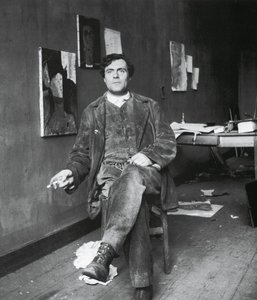
Amedeo Modigliani
1884 - 1920 , Itálie
Rychlé informace
- Artistic Movement Or Style: Expressionista
- Artists Or Movements Influenced By This Artist: ['Cubismus']
- Artists Who Influenced This Artist:
- Brancusi
- Picasso
- Date Of Birth: 12. července 1884
- Date Of Death: 24. ledna 1920
- Full Name: Amedeo Clemente Modigliani
- Nationality: Italista
- Notable Artworks:
- Nude Bust
- Reclining Nude
- Seated Female Nude
- Place Of Birth: Livorno, Itálie
Související články

Theatrical Elegance: The Art Deco Genius of Erté and the Era of Fashion Illustration
Explore the theatrical elegance of Erté and the Art Deco era. Discover how his mastery of geometric line and fashion illustration can elevate luxury hospitality design through premium, hand-painted reproductions and bespoke architectural art solutions.


