


 Náhled v interiéru

 Sdílet
 Sdílet
 Podrobnosti o díle
 Průvodce


 Stáhnout
 Podobné položky
 Rentgenové snímky
 Slideshow
 Otázky a odpovědi
 Statistiky
Sir Thomas Gresham

- 90.0 x 76.0 cm


 Zobrazit více
Giclée / Umělecký tisk
Giclée nebo plátěný tisk muzeální kvality s rychlou výrobou a širokou nabídkou povrchových úprav. ( Koupit ručně malovaný obraz Přepnout na digitální obraz)
P118B Kč10
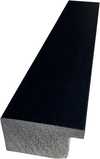
P118H Kč10
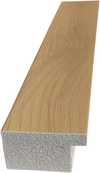
P118W Kč10
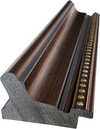
P438Z Kč10
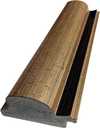
P508JH Kč12
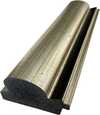
P508YH Kč12
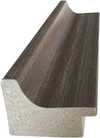
P805H Kč10
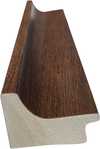
P805Z Kč10
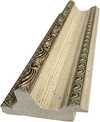
P919BZ Kč10
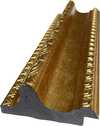
P919G Kč10
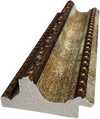
P919XJ Kč10
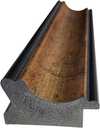
P959ZH Kč10
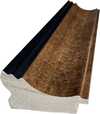
P968JZ Kč12
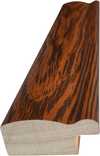
W106C Kč8
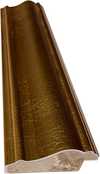
W218G Kč10
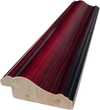
W218JH Kč8
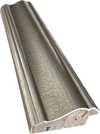
W218Y Kč10
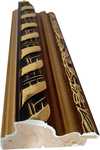
W307PJ Kč10
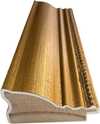
W316G Kč10
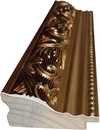
W316PJ Kč8
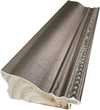
W316Y Kč10
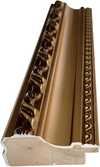
W398PJ Kč8
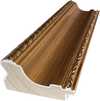
W4111J Kč10
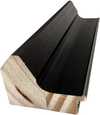
W500HY Kč15
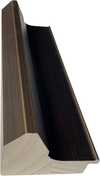
W500JH Kč15
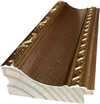
W692G Kč12
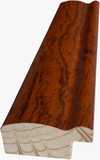
W849H Kč8
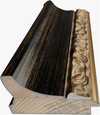
W940BG Kč15
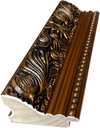
W953PJ Kč8
Vyberte si z našich přednastavených velikostí, které odpovídají původním proporcím díla.

Zadejte šířku a výšku, které potřebujete pro váš rám nebo stěnu. Tisk lze pouze oříznout, nikdy však nelze zvětšit obraz nad jeho původní rozměr, proto při výběru jiného formátu dochází ke ztrátě části obrazu. Před samotným tiskem vám zašleme digitální náhled k schválení. Obraz zobrazený na této stránce nenabízí skutečný výřez — ten uvidíte pouze v náhledu.
Celosvětové doručení () do 2 týdnů namísto standardních 4/5 týdnů. (19 listopad)

Zdarma celosvětová expresní doprava

Vysoce kvalitní lněné plátno

Kompletní pojištění přepravy

Záruka vrácení celního poplatku

Záruka věrného barevného souladu

100dení lhůta pro vrácení zboží (pouze při vadách výroby)

100% záruka vrácení peněz

Sleva při více objednávkách
 Skleněná varianta je dostupná pouze u rozměrů menších než 110 cm

Sir Thomas Gresham
Giclée / Umělecký tisk
Rozměry reprodukce
-


Celková cena za vybrané možnosti reprodukcí
Kč 1405
Identification of the Portrait of Sir Thomas Gresham
In this portrait, Anthonis Mor Van Dashorst captures the steady presence of Sir Thomas Gresham. The subject sits before us, a man whose influence once shaped the financial landscape of Europe. As the leading English merchant in Antwerp and the financial agent for the English king in the Low Countries, Gresham carries a weight of responsibility in his gaze. He is the man who founded the Royal Exchange and established Gresham College in London, leaving a legacy etched into the very foundations of commerce and education.
The artist, Anthonis Mor Van Dashorst, brings a meticulous eye to this likeness. Born in Utrecht, Netherlands, Mor possesses a way of rendering the individual that feels immediate and alive. This specific work dates to 1560, a moment when the sitter's social standing and professional gravity are palpable. The portrait does more than record a face; it presents a man of significant purpose, frozen in a moment of quiet, commanding authority.
Composition and Visual Details
The subject sits firmly within a chair that dominates the lower portion of the frame, anchoring the entire scene. He is dressed in a black suit, his presence marked by a stern expression and the grooming of a beard and mustache. A collar frames his face, catching the light against the dark fabric of his attire. He holds a posture of quiet authority, his gaze fixed and unyielding. The weight of his position is felt in the stillness of his seated form.
In the space surrounding him, life unfolds in layers. One figure stands directly behind him in the foreground, adding a sense of depth to the immediate circle of the subject. Further back and to the right, a second person occupies the scene, partially distanced from the central focus. This arrangement creates a structured, tiered environment that draws the eye through the social hierarchy of the room. The background reveals a brick wall and an open window, suggesting a connection to the world outside the immediate interior.
Materials and Physical Characteristics
The physical presence of this portrait is defined by its substantial scale, measuring 90 x 76 cm. Originally rendered as an oil on panel, the work carries the weight and texture of its primary medium. The artist’s brushwork captures the subtle shifts in light across the subject's features, a task made possible by the careful application of oil pigments. This specific piece is identified by the object number SK-A-3119.
Time has left its mark on the very substance of the work. While it began its life on a rigid wooden support, the painting has undergone a significant transformation. The original oil on panel was transferred to canvas, a process that alters the way the surface interacts with light and shadow. This transition from wood to fabric changes the tactile quality of the work, lending a different character to the way the colors settle upon the grain.
History and Provenance of the Artwork
The journey of this portrait through the centuries carries it through the hands of emperors and across shifting political borders. At one point in its long history, the painting resides within the private collection of Catherine the Great of Russia. It remains in these imperial circles until the political tides of the twentieth century shift the work's destiny once more. The Soviet Union holds the painting, eventually deciding to sell it to the Rijksmuseum in 1931 to secure foreign currency.
The physical life of the work has seen significant changes to ensure its survival. In 1872, the portrait undergoes a major transformation when the painting of Anne Fernely is transferred from its original panel onto canvas. This restoration marks a pivotal moment in how the work presents itself to the eye. The movement from wood to fabric alters the very substance of the piece, preserving the likeness of the merchant for future generations to witness.
Related Works by Anthonis Mor Van Dashorst
The visual narrative of this portrait finds its companion in the likeness of Anne Fernely, the wife of Gresham. As a pendant to this work, her portrait completes a shared history, capturing the presence of the woman who stood alongside the merchant. This connection links the two figures through a shared space and a shared life, creating a dual presence that speaks to their status and their union.
Mor’s brush also moved through the halls of power, capturing the regal bearing of Mary Tudor, Queen of England, in 1554. His ability to navigate the requirements of the court is evident in his service as a painter to the Spanish king. This high-level patronage allowed him to observe the nuances of nobility and the weight of authority that defined the sixteenth century.
In 1560, the artist turned his attention to Anne Fernel, the Wife of Sir Thomas Gresham. This portrait offers another window into the social fabric of the era, focusing on the character and dignity of the sitter. Through these various commissions, the artist’s hand moves between the private intimacy of a marriage and the public grandeur of royal courts.
Where to See the Artwork Today
The presence of Sir Thomas Gresham remains a constant within the halls of the Rijksmuseum in Amsterdam. Visitors find him held within this prestigious collection, where he resides as part of the museum's permanent holdings. He is identified by the object number SK-A-3119, a mark that traces his place within the museum's vast archives. To stand before him is to encounter a figure preserved through centuries of careful stewardship.
This portrait is kept in the Rijksmuseum, Amsterdam, where the quiet dignity of the subject is maintained for those who seek it. The painting exists as a physical part of the museum's curated environment, allowing the gaze of the viewer to meet the stern expression of the merchant. He remains a fixture of the Dutch institution, a silent inhabitant of the galleries in Amsterdam.
Otázky a odpovědi
Mohu si prohlédnout "Sir Thomas Gresham" v celoplátno formátu slideshow?
Diaporama díla „Sir Thomas Gresham“ si můžete prohlédnout na stránce Slideshow.
Jaká technika byla u díla "Sir Thomas Gresham" použita a v jakém roce vzniklo?
Dílo "Sir Thomas Gresham" vzniklo v roce 1560 za použití techniky Oil On Panel.
Jakou náladu a emoce v sobě spojuje dílo "Sir Thomas Gresham"?
„Sir Thomas Gresham“ od Antonis Mor vyvolává Reflective pocit v rámci celkové Elegant nálady.
Podobná díla


Biografie umělce
Antonis Mor van Dashorst: Malíř královské důstojnosti
Antonis Mor van Dashorst (1517–1577) představuje jeden z pilířů nizozemského renesančního portrétnictví, jenž v sobě ztělesňuje precizní realismus a symbolickou hloubku typickou pro jeho éru. Narodil se v nizozemském Utrechtu a vyrostl v rodině hluboce zakořeněné v umělecké tradici – jeho otec byl sochařem, což ustavilo rodovou linii zasvěcenou vizuální reprezentaci. Ačkoliv jsou biografické detaily o jeho životě v mnohém nejasné, Morova bohatá tvorba mluví o jeho talentu a neochvějné snaze zachytit samotnou podstatu svých subjektů. Rychle si vybudoval pověst díky schopnosti zobrazovat šlechtu s neporovnatelnou přesností, což mu otevřelo dveře k zakázkám od nejvlivnějších postav tehdejší Evropy. O jeho formativních letech se ví jen málo, kromě jeho výchovy v Utrechtu. Nicméně v Antverpách studoval u mistra Pietersa Bruegla Staršího, od něhož nasál mistrovskou pozorování lidské povahy a krajiny – vlivy, které později pronikly do Morovy vlastní umělecké vize. Období strávené v Antverpách se ukázalo jako klíčové pro jeho umělecký rozkvět. Zde si zdokonaloval své schopnosti po boku kolegů, jako byli Quentin Massys či Hendrik Golse, a zcela se ponořil do živého uměleckého prostředí Flanderské republiky. Tato zkušenost mu vštěpila sofistikované porozumění perspektivě a technice chiaroscuro – metodě světla a stínu, kterou pak mistrnovsky využíval k dramatickému osvětlení svých portrétů.Vláda Marie Tudor: Mistrovské dílo severní renesanční portrétní tvorby
Morova sláva vyvrcholila s dokončením portrétu Marie Tudor, královny anglické (1554). Toto monumentální plátno je vrcholem jeho uměleckého umění. Dílo, vytvořené s nesmírnou pečlivostí, zachytává královskou prezenci a vnitřní klid Marie – což je důkazem Morovy schopnosti vyjádřit psychologickou nuance vedle fyzické podoby. Kompozice je precizně vyvážená, využívá pyramidální strukturu a jemné záhyby látky, aby zdůraznila postavení a důstojnost královny. Navíc využití chiaroscuro vytváří fascinující hru světla a temnoty, která vyzdvihuje tvář Marie a vyzařuje z ní aurou vznešené grandióznosti. Tento portrét ugruntoval Morovo jméno jako jednoho z nejvýznamnějších portrétistů své doby a zůstává oslavovaným vzorem severní renesanční sztuki. Mor těžil z královské patronáže a získával zakázky od monarchů po celé Evropě, včetně Filipa II. španělského. Tyto prestižní úkoly mu umožnily věnovat se ambiciózním projektům a dále ladit svůj umělecký styl, čímž si zajistil odkaz dvorského umělce. Kromě portrétu Marie Tudor Mor realizoval četné zakázky na ztvárnění významných státníků, diplomatů a aristokratů. Jeho charakteristický styl, definovaný precizním realismem, mistrovskou perspektivou a expresivní hrou světla, byl okamžitě rozpoznatelný. Konzistentně kladl důraz nejen na fyzický vzhled, ale především na charakter a emoce, čímž povýšil své portréty nad rámec pouhých podob do hlubokých vyjádření lidské důstojnosti.Vliv a odkaz
Morův vliv sahá daleko za jeho současníky. Jeho precizní přístup k portrétnictví nastolil precedens pro budoucí generace umělců, kteří se od něj učili usmářat za větší přesností a psychologickým vhledem. Prosazoval humanistické ideály renesance a odrážel nezpochybnitelnou víru v sílu umění osvětlovat lidskou zkušenost. Dnes díla Mor van Dashorsta nadále fascinují diváky po celém světě a slouží jako trvalé připomínky umělecké geniality dosažené během nizozemského zlatého věku – období definovaného inovací, ambicemi a hlubokým obdivem pro krásu.
Antonis Mor
1519 - 1575 , Nizozemsko
Rychlé informace o umělci
- Artistic Movement Or Style: Renesanční portrétní malba
- Artists Or Movements Influenced By This Artist: ['Baroko']
- Artists Who Influenced This Artist:
- Jan van Eyck
- Rogier van der Weyden
- Date Of Birth: 1517
- Date Of Death: 1577
- Full Name: Anthonis Mor van Dashorst
- Nationality: Holandská
- Notable Artworks:
- Trpaslík kardinála Granvelleho
- Královna Marie Tudor z Anglie
- Margrét, védevina Parma
- Place Of Birth: Utrecht, Nizozemsko
Související články

Master of Elegance: The Top 25 Greatest Artworks by Sir Anthony van Dyck
Explore 25 Baroque masterpieces by Sir Anthony van Dyck. Discover timeless elegance and fine art at AllPaintingsStore.com.

25 Must-See Masterpieces at the Rijksmuseum, Amsterdam
Embark on a journey through Dutch history. From Rembrandt’s dramatic Night Watch to Vermeer’s luminous light, explore the top 25 masterpieces of the Rijksmuseum, Amsterdam. Find inspiration with our museum-quality art reproductions. Discover all masterpieces on AllPaintingsStore.com

The Weight of Shadow: Examining the Depth of Brown Pigments and Chiaroscuro in Classical Painting
Explore the technical mastery of earth pigments and chiaroscuro in classical art. Discover the depth of shadow and texture today.