


 Náhled
 Sdílet
 Sdílet
 Podrobnosti o díle

 Stáhnout
 Podobné položky
 Rentgenové snímky
 Slideshow
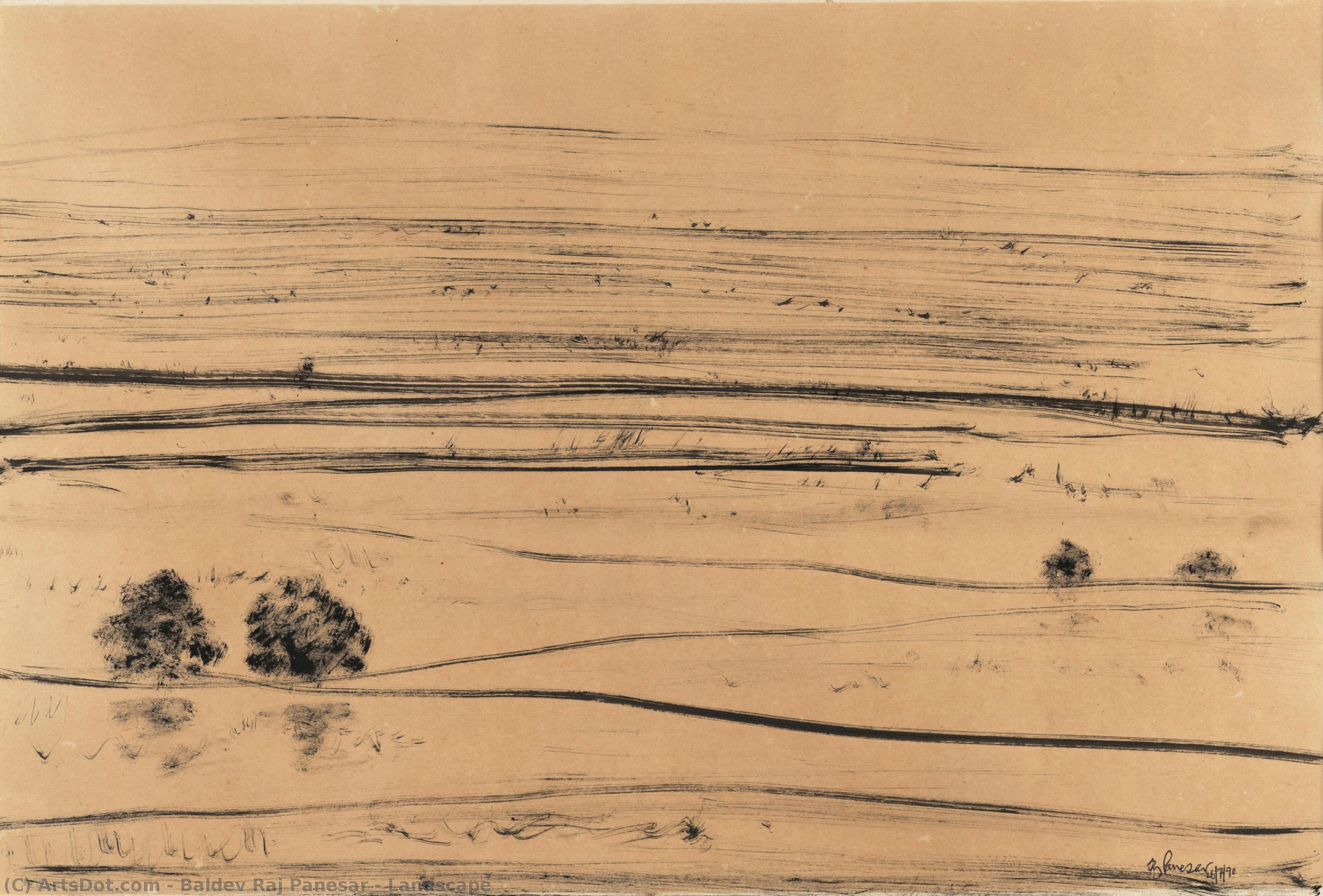
Landscape
 37.0 x 54.0 cm
 Kerala Museum
 Zobrazit více
Ručně malovaná olejová reprodukce
Ručně malovaná olejná barva na plátně ve vašem zvoleném rozměru i s rámem, vyrobená našimi umělci na zakázku. ( Koupit tisk Koupit obrázek)




































Vyberte si z našich přednastavených velikostí, které odpovídají původním proporcím díla.

Můžete zadat vlastní rozměry pro konkrétní rám nebo prostor. Pokud se vámi vybraná velikost neshoduje s proporcemi původního obrazu, dílo buď ořízneme, nebo jej doplníme ručně malovanými prvky. Před zahájením výroby vám bude zaslán digitální náhled ke schválení.
Upozorňujeme, že náhled na obrazovce neodpovídá skutečnému ořezu ani rozšíření. Pouze digitální náhled přesně zobrazí finální kompozici.
Ačkoliv je možné zvolit vlastní velikost, pro zachování původních proporcí doporučujeme vybrat rozměr z předdefinovaného seznamu.
Po přijetí objednávky vám tým AllPaintingsStore.com zašle e-mail s pokyny a poskytne náhledovou verzi.
Celosvětová doprava () za 3–4 týdny namísto standardních 5 týdnů. (17 srpen). Bez kompromisů v kvalitě.

Zdarma celosvětová expresní doprava

Vysoce kvalitní lněné plátno

Kompletní přepravní pojištění

Záruka vrácení celního poplatku

Záruka přesného barevného shodu

60denní lhůta pro vrácení zboží (pouze při vadách výroby)

100% garance vrácení peněz

Sleva při hromadné objednávce
 Skleněná varianta je dostupná pouze u rozměrů menších než 110 cm

Landscape
Technika reprodukce
Rozměry reprodukce
-


Celková cena za výběr
$ 258
Popis díla
Podobná umělecká díla


Biografie umělce
A Life Dedicated to Form and Memory: The Art of Baldev Raj Panesar
Baldev Raj Panesar, born in Hoshiyarpur, Punjab, in 1927, was an artist whose journey defied conventional categorization. He wasn’t a product of formal art training but rather a statistician who found his true calling through observation, empathy, and a unique material—discarded computer punch cards. His story is one of quiet dedication, artistic evolution, and a profound connection to the human condition, unfolding against the vibrant backdrop of Calcutta (now Kolkata), where he spent most of his adult life. Arriving in the city at the age of thirty to study at the Indian Statistical Institute (ISI), Panesar initially immersed himself in the world of numbers and data analysis, eventually rising to the position of joint director. However, it was within the walls of the ISI that the seeds of his artistic practice were sown, inspired by the philosophy of ‘human collage’ championed by P.C. Mahalanobis, the institute's founder. This belief—that nothing is truly waste—would become a cornerstone of Panesar’s creative ethos.From Statistics to Substrates: The Birth of a Collage Artist
Panesar’s artistic beginnings were unconventional, born not from a studio but from an office environment. He began collecting the discarded computer punch cards, remnants of a rapidly evolving technological landscape. These seemingly insignificant pieces of cardboard became his medium—a canvas for exploring form, texture, and memory. Initially, these collages were abstract explorations, built up layer upon layer, reflecting a fascination with pattern and structure. However, Panesar’s art wasn't solely an intellectual exercise; it was deeply intertwined with his social conscience. He quickly recognized the potential to use his art as a means of connection and support within his community. He became a familiar figure on S.N. Banerjee Road, offering small gestures of kindness—boiled eggs, chocolates, pencils—to those in need. This spirit of generosity extended to nurturing young talent, most notably Shakila, a child from an impoverished background whom he mentored and encouraged to pursue her own artistic path. He famously donated much of his income to charity, prioritizing human connection over personal gain.Influences and Artistic Development
While self-taught in the traditional sense, Panesar was far from isolated. He became deeply involved with the Society of Contemporary Artists in 1974, forging connections with a generation of leading Indian artists including Shyamal Dutta Ray, Bikash Bhattacharjee, Ganesh Haloi, Niranjan Pradhan and others. He absorbed their influences—the bold brushwork, the exploration of form, the social commentary—but always maintained a distinct voice. His early collages gradually gave way to painting, specifically landscapes rendered in acrylics. These weren’t depictions of specific locations but rather internal vistas, reflections of his mental state and emotional landscape. The brushstrokes became increasingly swift and broad, imbued with spontaneity and energy. He moved away from the meticulous detail of his earlier work, embracing a more expressive style that prioritized feeling over representation. His landscapes often featured tiny squiggles—suggestive human figures—hinting at the interconnectedness of humanity and nature.A Legacy Beyond Recognition
Despite participating in numerous exhibitions both nationally and internationally, Panesar remained remarkably humble and eschewed self-promotion. He never travelled to exhibit his work, preferring instead to focus on his local community and artistic practice. His later years were spent in an old age home, where he continued to paint tirelessly, driven by an unwavering passion for creation. He passed away in January 2014, leaving behind a body of work that is only now receiving the recognition it deserves. Panesar’s art stands as a testament to the power of self-expression, the importance of social responsibility, and the beauty that can be found in unexpected places. His collages, graphic prints, and landscapes offer a unique perspective on modern life, marked by both dystopia and hope.Historical Significance and Enduring Impact
Baldev Raj Panesar’s significance lies not only in his artistic achievements but also in his unconventional path. He challenged the traditional notion of the artist as a formally trained professional, demonstrating that creativity can flourish outside the confines of institutions and expectations. His use of discarded materials—computer punch cards—prefigured contemporary concerns about sustainability and waste. More importantly, Panesar’s art was deeply rooted in humanism. His generosity, mentorship, and unwavering commitment to social justice transformed his artistic practice into a powerful force for positive change. He inspired countless individuals, including Shakila, to pursue their own creative endeavors. Today, his work serves as a reminder that art can be both aesthetically compelling and socially meaningful—a testament to the enduring power of form, memory, and human connection.
baldev raj panesar
1927 - , India
Rychlé fakta
- Artistic Movement Or Style: Abstract Collage Art
- Artists Who Influenced This Artist:
- Paritosh Sen
- Jogen Chowdhury
- Bikas Bhattacharya
- Date Of Birth: 1927
- Date Of Death: 2014
- Full Name: Baldev Raj Panesar
- Nationality: Indian
- Notable Artworks: ['Landscape']
- Place Of Birth: Hoshiyarpur, India



