


 Náhled
 Sdílet
 Sdílet
 Podrobnosti o díle

 Stáhnout
 Podobné položky
 Rentgenové snímky
 Slideshow
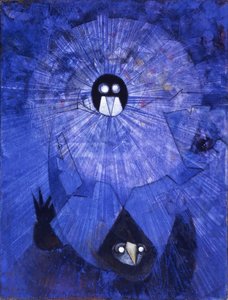
Mandala
 1965
1965 46.0 x 44.0 cm
 Zobrazit více
Koupě vysoce rozlišeného, vylepšeného digitálního obrazu, který je mnohem kvalitnější než online náhled.
Každý soubor je pečlivě připraven našimi odborníky pomocí pokročilých nástrojů a expertní manuální retuše. Zajišťujeme, aby každý obraz disponoval výjimečnou ostrostí, přesnou barevnou věrností a jemnými detaily.
Finální soubor vám bude do 72 hodin zaslán e-mailem, optimalizovaný pro okamžité použití v profesionálním, redakčním i tiskovém prostředí. Nabízíme stejnou kvalitu, které důvěřují špičková designová studia, nakladatelství i galerie.
Digitální obrazy
Stáhněte si soubor ve vysokém rozlišení pro osobní prohlížení, tisk a kreativní projekty. ( Koupit tisk Koupit ručně malovaný obraz)
Součást každé objednávky digitálního obrazu
Profesionální digitální doručení, zaručeno.
Když si vyberete AllPaintingsStore.com, nezískáváte pouze obrázek – získáváte digitální umělecké dílo s profesionálně vylepšenými detaily, zpracované s precizností a podpořené zárukou za spokojenost. Zde je vše, co vaše objednávka automaticky obsahuje:

Rychlé doručení e-mailem
Váš digitální obraz ve vysokém rozlišení vám bude zaslán e-mailem do 72 hodin od objednávky – připraven k okamžitému použití.

Digitální soubor s využitím AI
Vaše umělecké dílo je profesionálně optimalizováno pomocí pokročilých nástrojů umělé inteligence a manuální úpravy, což zajišťuje maximální úroveň detailu, ostrosti a přesnosti barev.

Bezplatné doživotní znovuodeslání
Soubor jste omylem smazali nebo ztratili? Žádný problém – kdykoliv vám ho znovu zašleme zcela zdarma.

Bez poplatků za dovoz – navždy
Užijte si své umělecké dílo okamžitě bez celních poplatků, daní nebo nákladů na dopravu – digitální stažení je vždy bez daňových povinností.

Záruka přesnosti barev
Pomocí profesionálních nástrojů a správy barev zajišťujeme, aby váš digitální obraz odrážel původní barvy co nejvěrněji.

60denní záruka spokojenosti
Pokud nebudete s digitální fotografií spokojeni, provedeme její revizi nebo vám vrátíme 100% během 60 dnů – bez jakýchkoliv dotazů.

100% záruka vrácení peněz
Nespokojeni? Získejte plnou částku zpět do 60 dní od přijetí vašeho digitálního souboru – bez jakýchkoliv dotazů.

Slevy při hromadných objednávkách
Koupěte si 3 obrazy, ušetřete 10% - Koupěte si 5, ušetřete 15% - Koupěte si 10+, ušetřete 20%. Ideální pro kreativní projekty, galerie a agentury.
Podobná umělecká díla




Biografie umělce
Bruce Conner: A Pioneer of Assemblage and Experimental Cinema
Bruce Conner (1933-2008) stands as a pivotal figure in American art, a restless innovator who defied easy categorization and consistently pushed the boundaries of assemblage, film, drawing, and photography. Born in McPherson, Kansas, his life was marked by a profound engagement with both the stark realities of postwar America and the vibrant counterculture of San Francisco – a confluence that deeply informed his artistic vision. Conner’s work isn't simply about objects; it’s an exploration of memory, perception, and the unsettling beauty found in discarded materials, often imbued with layers of social commentary and psychological depth.Early Years and Artistic Formation
Conner’s early life was shaped by a comfortable middle-class existence that ultimately led him to seek artistic expression beyond his hometown. He studied at Wichita University (later Wichita State University) and then at the University of Nebraska, where he earned a Bachelor of Fine Arts degree in 1956. Crucially, it was during this period that he visited New York City, an experience that exposed him to the burgeoning avant-garde scene and profoundly influenced his artistic trajectory. His initial explorations involved traditional painting, but he quickly grew dissatisfied with the constraints of established art forms. The desire for something more immediate and visceral led him to San Francisco in 1957, a city brimming with creative energy and a spirit of rebellion.The Rise of Assemblage and the Rat Bastard Protective Association
San Francisco became Conner’s artistic home, and it was here that he truly emerged as a leading figure within the international assemblage movement. His early assemblages—works like “Venus” (1956), depicting a nude form encased in a clam shell—were immediately provocative, challenging conventional notions of beauty and sexuality. These pieces, often incorporating found objects such as women’s stockings, bicycle wheels, broken dolls, fur, and costume jewelry, were not simply arrangements; they were carefully constructed narratives that hinted at themes of consumerism, societal decay, and the vulnerability of the individual. The designer's gallery in San Francisco played a key role in showcasing these works, with black panels emphasizing the starkness of his drawings and the unsettling beauty of his assemblages. In 1959, Conner founded the Rat Bastard Protective Association (RBPA) alongside fellow artists Jay DeFeo, Michael McClure, Manuel Neri, Joan Brown, Wally Hedrick, Wallace Berman, Jess Collins, and Carlos Villa. The RBPA was a deliberately subversive collective that embraced chance, experimentation, and a rejection of traditional artistic values. The name itself—a playful jab at the established art world—reflected their commitment to challenging conventions and disrupting expectations.Experimental Film and the Legacy of “A Movie”
Conner’s contributions to experimental cinema are equally significant. He began making short films in the late 1950s, employing a distinctive editing style characterized by rapid cuts, fragmented imagery, and a deliberate avoidance of narrative structure. His first film, *A Movie* (1958), is arguably his most famous work—a groundbreaking piece that repurposed discarded newsreels, B-movie clips, and other found footage to create a hauntingly evocative meditation on the experience of watching a movie itself. The film’s use of Ottorino Respighi's *Pines of Rome* as its soundtrack further amplified its emotional impact. *A Movie* wasn’t simply a film; it was an exploration of perception, memory, and the relationship between the viewer and the medium. It remains a cornerstone of experimental cinema and continues to inspire filmmakers today.Later Work and Enduring Influence
Throughout the 1960s and beyond, Conner continued to experiment with a wide range of media, including drawing, photography, and collage. His later works often explored themes of memory, loss, and the fragmented nature of experience. He developed a distinctive style of inkblot drawings—intricate, layered compositions that resembled psychological tests—and created powerful photograms using his own body as the subject. In the 1970s, he revisited the punk rock scene, documenting the energy and rebellion of the era through a series of photographs. Bruce Conner’s legacy extends far beyond his individual works; he fundamentally altered the possibilities of assemblage, experimental film, and conceptual art, leaving an indelible mark on American artistic history. His willingness to embrace chance, challenge conventions, and explore unconventional materials continues to inspire artists today.
Bruce Conner
1933 - 2008 , United States of America
Stručné informace
- Artistic Movement Or Style: Assemblage, Film, Collage
- Artists Or Movements Influenced By This Artist:
- Experimental Film
- Assemblage Art
- Artists Who Influenced This Artist:
- Surrealism
- Beat Generation
- Date Of Birth: November 18, 1933
- Date Of Death: July 7, 2008
- Full Name: Bruce Conner
- Nationality: American
- Notable Artworks:
- Venus
- A Movie
- Mandala
- Place Of Birth: McPherson, USA



