


 Zobrazit v interiéru
 Odeslat
 Sdílet
 Podrobnosti
 Průvodce

 Stáhnout obrázek
 Podobné kousky
 Rentgenové snímky
 Slideshow
 Statistiky
Bow Bridge


 Přečíst si více
Giclée / Umělecký tisk
Giclée nebo plátěný tisk muzeální kvality s rychlou výrobou a širokou nabídkou povrchových úprav. ( Objednat ručně malovanou reprodukci Přepnout na digitální verzi obrazu)




P118B Kč10

P118H Kč10

P118W Kč10

P438Z Kč10

P508JH Kč12

P508YH Kč12

P805H Kč10

P805Z Kč10

P919BZ Kč10

P919G Kč10

P919XJ Kč10

P959ZH Kč10

P968JZ Kč12

W106C Kč8

W218G Kč10

W218JH Kč8

W218Y Kč10

W307PJ Kč10

W316G Kč10

W316PJ Kč8

W316Y Kč10

W398PJ Kč8

W4111J Kč10

W500HY Kč15

W500JH Kč15

W692G Kč12

W849H Kč8

W940BG Kč15

W953PJ Kč8




Vyberte si z našich přednastavených velikostí, které odpovídají původním proporcím díla.

Zadejte šířku a výšku, které potřebujete pro váš rám nebo stěnu. Tisk lze pouze oříznout, nikdy však nelze zvětšit obraz nad jeho původní rozměr, proto při výběru jiného formátu dochází ke ztrátě části obrazu. Před samotným tiskem vám zašleme digitální náhled k schválení. Obraz zobrazený na této stránce nenabízí skutečný výřez — ten uvidíte pouze v náhledu.
Celosvětové doručení () do 2 týdnů namísto standardních 4/5 týdnů. (25 říjen)

Zdarma celosvětová expresní doprava

Vysoce kvalitní lněné plátno

Úplné pojištění přepravy

Záruka vrácení celního poplatku

Záruka věrného barevného shodu

100dení lhůta pro vrácení zboží (pouze při vadách výroby)

100% garance vrácení peněz

Sleva při více objednávkách
 Skleněná varianta je dostupná pouze u rozměrů menších než 110 cm

Bow Bridge
Giclée / Umělecký tisk
Velikost reprodukce
-


Celková cena
Kč 1369
A Symphony of Iron and Nature
In the heart of Manhattan’s verdant expanse, where the frantic pulse of urban life meets the rhythmic stillness of the landscape, lies a masterpiece of Victorian engineering and Romantic vision: Bow Bridge. Captured in this evocative monochrome study by Calvert Vaux Faia, the scene transcends mere architectural documentation to become a profound meditation on the harmony between man-made grace and organic splendor. The bridge, a delicate arc of cast iron and sandstone, does not simply cross a body of water; it serves as a poetic threshold, inviting the viewer to step away from the industrial chaos of the nineteenth century and into a realm of sublime tranquility.
The composition breathes with the spirit of the Picturesque movement, a design philosophy championed by Vaux and his collaborator Andrew Jackson Downing. Through the lens of this painting, we witness the deliberate use of curvilinear forms that mimic the natural contours of the surrounding earth. The bridge’s elegant silhouette, reminiscent of Gothic arches found in ancient European cathedrals, provides a structural rhythm that complements the soft, sprawling textures of the trees and the serene expanse of the water below. It is a visual dialogue where the rigidity of iron is softened by the fluidity of the landscape, creating a sense of effortless integration.
The Artistry of the Industrial Age
To gaze upon this work is to appreciate the meticulous craftsmanship of the Victorian era. The artist masterfully renders the intricate textures of the bridge’s ornamentation—the delicate floral motifs and stylized foliage carved into its sandstone supports. Even in a monochromatic palette, one can sense the tactile richness of the materials; the cool, smooth strength of the cast iron juxtaposed against the weathered, organic grain of the stone. This interplay of light and shadow lends a sculptural depth to the piece, making the bridge appear as much a living organism as the trees that frame it.
The presence of figures traversing the span adds a layer of narrative soul to the artwork. These fleeting silhouettes serve as a reminder of the bridge's true purpose: to foster social cohesion and provide a shared sanctuary for the public. They are the heartbeat of the scene, transforming a structural feat into a lived experience. For the collector or interior designer, this piece offers more than just aesthetic beauty; it provides a window into a historical moment where architecture was used as a tool for emotional elevation, designed specifically to evoke awe and a deep connection to the natural world.
A Timeless Legacy for the Modern Interior
For those seeking to infuse a contemporary space with a sense of history and contemplative peace, this reproduction of Bow Bridge serves as an exquisite focal point. Its understated elegance makes it a versatile addition to a variety of design schemes, from a classic study filled with leather-bound books to a minimalist gallery setting that prizes structural form. The artwork carries an inherent emotional weight—a quiet strength that commands attention without disrupting the serenity of a room.
Owning this piece is an invitation to embrace the "urban soul" that Calvert Vaux so brilliantly architected. It is a tribute to the enduring power of beauty to act as a refuge, reminding us that even amidst the most rapid technological progress, our deepest need remains a connection to the graceful, the natural, and the sublime. Whether displayed as a centerpiece in a grand hall or a subtle accent in a private retreat, this work continues to inspire wonder, much like the bridge itself continues to stand as a testament to the enduring magic of the landscape.
Otázky a odpovědi
Jaká technika byla použita u díla "Bow Bridge" a kdy bylo vytvořeno?
Technikou díla „Bow Bridge“ od Calvert Vaux Faia je Painting a dílo pochází z roku 1860.
Kde si mohu stáhnout „Bow Bridge“ od Calvert Vaux Faia?
Digitální verzi díla „Bow Bridge“ od Calvert Vaux Faia si můžete stáhnout na stránce Stáhnout jako stažení digitálního obrazu ve vysokém rozlišení.
Zůstalo dílo "Bow Bridge" ve své domovské zemi?
Ne – dílo se nachází v zahraničí. Rodimá země Calvert Vaux Faia je United Kingdom a muzeum, které uchovává originál díla „Bow Bridge“, se nachází v zemi Spojené království.
Související díla


Biografie umělce
The Architect of the Urban Soul
Born in London on December 20th, 1824, Calvert Vaux possessed an innate fascination with the delicate confluence of architecture and horticulture—a passion that would eventually reshape the very identity of the American landscape. His early years were defined by a rigorous architectural apprenticeship under the distinguished London architect Lewis N. Cottingham, a master of the Gothic Revival style. It was within this classical training that Vaux honed his skills as a precise draftsman, learning to balance structural integrity with aesthetic grace. This foundational period in England provided him with a deep appreciation for British literature on landscape design and the picturesque scenery of the Continent, elements that would later infuse his American works with a romantic, soulful depth.
The trajectory of Vaux’s life changed irrevocably in 1850 when he crossed the Atlantic, drawn by the invitation of the visionary horticulturalist Andrew Jackson Downing. This meeting was more than a professional appointment; it was a collision of two brilliant minds that would birth a new era of American landscape design. Working alongside Downing in the Hudson River Valley, Vaux embraced the concept of picturesque gardening, a philosophy that rejected rigid formality in favor of organic, flowing lines and naturalistic beauty. During these formative years, he contributed to the design of significant estates and even helped shape the grounds for the U.S. Capitol and the Smithsonian Institution, proving that his talent could bridge the gap between intimate garden design and monumental public works.
A Visionary Partnership and the Greensward Plan
The most enduring chapter of Vaux’s career began in 1857, when he entered into a legendary partnership with Frederick Law Olmsted. Together, they sought to solve one of the greatest urban challenges of the nineteenth century: how to provide a sanctuary for a rapidly expanding, industrializing New York City. Their collaborative masterpiece, known as the Greensward Plan, won first place in a competition to design Central Park. This was not merely a plan for a park, but a sophisticated social engineering project designed to foster tranquility and democratic access. Vaux’s architectural prowess was essential to this vision; while Olmsted focused on the broader landscape, Vaux designed the intricate structural elements that made the park navigable and enchanting.
Vaux’s genius lay in his ability to manipulate space through stone and water. He envisioned a system of underpasses and scenic bridges that allowed for the seamless separation of pedestrian, carriage, and equestrian traffic, preventing the chaos of the city from intruding upon the serenity of the park. Iconic structures such as Bow Bridge and Oak Bridge stand today as breathtaking testaments to his ability to blend man-made elegance with the undulating terrain. Through these works, he achieved a masterful technique of prioritizing naturalistic aesthetics while simultaneously establishing grand vistas and harmonious spatial relationships that continue to captivate millions of visitors.
A Lasting Legacy in Stone and Green
Beyond the borders of Manhattan, Vaux’s influence rippled across the American continent. His collaborative spirit with Olmsted extended to the creation of Prospect Park in Brooklyn, Morningside Park in New York City, and even the development of the residential community of Riverside, Illinois. He was a man who practiced both architecture and landscape architecture with equal devotion, preparing original plans for the Metropolitan Museum of Art and the American Museum of Natural History. His work sought to establish these disciplines on a firm professional basis, moving them from mere ornamentation to essential components of urban civilization.
Though his life came to a tragic end in 1895 when he drowned in Gravesend Bay, the imprint of Calvert Vaux remains indelible. He did not merely design parks; he sculpted the psychological landscape of the modern city. His ability to weave together the structural permanence of architecture with the ephemeral beauty of nature created an enduring legacy of public spaces that serve as the lungs of our urban environments. To walk through Central Park today is to move through a living gallery of Vaux’s imagination, where every winding path and graceful bridge whispers the story of a man who taught the city how to breathe.

Calvert Vaux Faia
1824 - 1895 , United Kingdom
Rychlé informace
- Full Name: Calvert Vaux FAIA
- Nationality: British-American
- Date Of Birth: 1824
- Date Of Death: 1895
- Place Of Birth: London, United Kingdom
- Notable Artworks:
- Oak Bridge
- Bow Bridge
- Descending the steps (central park)
- Artistic Movement Or Style: Landscape Architecture
- Artists Who Influenced This Artist: ['Frederick Law Olmsted']
- Artists Or Movements Influenced By This Artist: ['Romanticism']
Související články
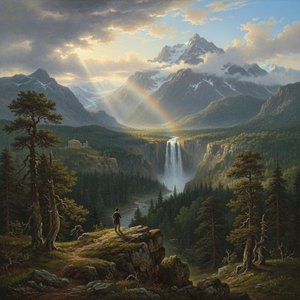
Evoking Nature's Sublime: A Comprehensive Exploration of 19th-Century Landscape Painting
Explore the captivating world of 19th-century landscape painting! Discover renowned artists like Friedrich & Monet, key movements, and find the perfect artwork to bring nature's serenity into your home. Expert insights at AllPaintingsStore.

Romantická krajina v malbě: 10 mistrovských děl, které definovaly umělecký proud | AllPaintingsStore
Prozkoumejte 10 ikonických děl romantické krajinářské malby! Objevte příběhy Caspara Davida Friedricha, Turnera a dalších mistrů. Reprodukce obrazů nejvyšší kvality pro váš interiér na AllPaintingsStore.com.
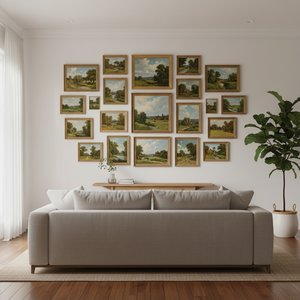
John Constable: 25 mistrovských děl krajinářské poezie | AllPaintingsStore.com
Prozkoumejte 25 ikonických děl Johna Constabla, mistra anglického krajinářství a romantismu. Obdivujte jeho olejomalby, plátna s venkovskou atmosférou a inspirujte se pro dekoraci interiéru. Reprodukce obrazů nejvyšší kvality na AllPaintingsStore.com

Evoking Atmosphere & Identity: A Journey Through Landscape Painting's History
Explore the rich history of landscape painting! Discover renowned artists, movements like Romanticism, & techniques such as atmospheric perspective. Find inspiration and quality reproductions at AllPaintingsStore.

Evocations of Place: A Historical Journey Through Landscape Art
Explore the rich history of landscape art with AllPaintingsStore. Discover renowned artists, movements like Impressionism & Romanticism, and expert guidance for collecting timeless pieces. Find your perfect serene escape today!

