


 Náhled
 Sdílet
 Sdílet
 Podrobnosti o díle

 Stáhnout
 Podobné položky
 Rentgenové snímky
 Slideshow
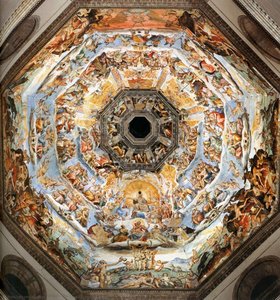
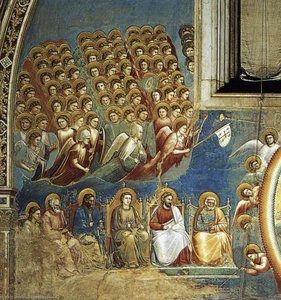
The Last Judgment


 Zobrazit více
Giclée / Umělecký tisk
Giclée nebo plátěný tisk muzeální kvality s rychlou výrobou a flexibilními možnostmi povrchové úpravy. ( Koupit ručně malovaný obraz Koupit obrázek)




P118B $10

P118H $10

P118W $10

P438Z $10

P508JH $12

P508YH $12

P805H $10

P805Z $10

P919BZ $10

P919G $10

P919XJ $10

P959ZH $10

P968JZ $12

W106C $8

W218G $10

W218JH $8

W218Y $10

W307PJ $10

W316G $10

W316PJ $8

W316Y $10

W398PJ $8

W4111J $10

W500HY $15

W500JH $15

W692G $12

W849H $8

W940BG $15

W953PJ $8




Vyberte si z našich přednastavených velikostí, které odpovídají původním proporcím díla.

Můžete zadat vlastní rozměry tak, aby výtvor odpovídal konkrétnímu rámu nebo prostoru. Pokud zvolená velikost nebude odpovídat poměru stran původního obrazu, dílo buď ořížeme, nebo obraz rozšíříme pomocí zrcadlového efektu či jednobarevného okraje. Před zahájením výroby vám bude zaslán digitální náhled k schválení.
Mějte prosím na paměti, že náhled na obrazovce neodráží skutečné oříznutí nebo rozšíření. Pouze digitální náhled přesně zobrazí finální kompozici.
Ačkoliv jsou k dispozici i vlastní rozměry, pro zachování původních proporcí doporučujeme vybrat si rozměr z předdefinovaného seznamu.
Celosvětové doručení () do 2 týdnů namísto standardních 4/5 týdnů. (18 srpen)

Zdarma celosvětová expresní doprava

Vysoce kvalitní lněné plátno

Kompletní přepravní pojištění

Záruka vrácení celního poplatku

Záruka přesného barevného shodu

60denní lhůta pro vrácení zboží (pouze při vadách výroby)

100% garance vrácení peněz

Sleva při hromadné objednávce
 Skleněná varianta je dostupná pouze u rozměrů menších než 110 cm

The Last Judgment
Giclée / Umělecký tisk
Rozměry reprodukce
-


Celková cena za výběr
$ 64
Podobná umělecká díla


Biografie umělce
The Vasari of Lombardy: The Grandeur of Camillo Procaccini
In the vibrant, turbulent landscape of late 16th-century Italy, few names resonated with as much prolific energy as Camillo Procaccini. Often bestowed with the evocative title, “The Vasari of Lombardy,” Procaccini was far more than a mere chronicler or decorator; he was a master of narrative drama who breathed life into the stone and plaster of the Counter-Reformation era. Born in Bologna in 1561, his very existence was woven into the fabric of an artistic dynasty. As the son of Ercole Procaccini the Elder and the elder brother to accomplished painters Giulio Cesare and Carlo Antonio, Camillo emerged from a Bolognese atelier where classical principles were already being reimagined through the lens of Mannerist innovation.
His early development was shaped by a profound dialogue with the masters who preceded him. While his roots lay in the disciplined traditions of Bologna, his artistic soul wandered through the works of Correggio and Parmigianino, absorbing their soft textures and elongated elegance. A pivotal moment in his journey involved study trips to Parma and Rome, where the monumental frescoes of Michelangelo and the harmonious compositions of Raphael left an indelible mark on his psyche. These encounters allowed him to synthesize a style that could balance the complex, often artificial grace of Mannerism with a burgeoning sense of emotional weight and clarity—a necessity for the religious fervor sweeping through Italy at the time.
A Milanese Triumph and the Art of Devotion
The year 1587 marked a transformative epoch in Procaccini’s career when he relocated to Milan. This move was not merely a change of scenery but an ascent into the highest echelons of European patronage. Under the watchful eye of influential figures like Count Camillo Visconti Borromeo, Procaccini began to transform the architectural spaces of Lombardy into celestial theaters. His work at the Lainate Villa showcased his burgeoning mastery of spatial illusion, where painted figures seemed to break free from their two-dimensional confines to interact with the viewer.
His influence soon permeated the most sacred institutions of the region. The Cathedral of Milan, or Duomo, became a primary stage for his genius. Whether executing the intricate organ shutters or painting profound altarpieces such as The Martyrdom of Saint Agnes, Procaccini utilized light and shadow to communicate the intense piety demanded by the Catholic Church. His ability to weave complex theological narratives into accessible, visually arresting compositions made him an indispensable tool for the dissemination of dogma. This period of his life was characterized by a relentless productivity that saw him collaborating with contemporaries like Giuseppe Meda and Ambrogio Figino, creating a unified aesthetic of splendor across Milanese churches.
Legacy of a Master Frescoist
As his career progressed, Procaccini’s reach extended far beyond the borders of Lombardy, touching the artistic circles of Venice, Genoa, and even the Swiss Canton Ticino. His legacy is not found merely in individual canvases, but in the very atmosphere of the spaces he adorned. To walk through a church decorated by Procaccini is to experience the transition from the stylized tension of Mannerism toward the more emotive, dramatic precursors of the Baroque.
The enduring significance of his work lies in several key artistic contributions:
- Narrative Mastery: His ability to direct the viewer's eye through complex, multi-figure compositions that tell a cohesive spiritual story.
- Stylistic Synthesis: The seamless blending of Bolognese precision with the atmospheric softness of the Parmese school.
- Architectural Integration: A profound understanding of how fresco and painting can alter the perceived dimensions and sanctity of a physical space.
Though time has weathered many of his frescoes, the spirit of Camillo Procaccini remains etched in the history of Italian art. He stands as a bridge between eras, a painter who captured the shifting religious and aesthetic tides of his century with unparalleled vigor and grace.

Camillo Procaccini
1561 - 1629 , Italy
Rychlé fakta
- Artistic Movement Or Style: Mannerist
- Artists Or Movements Influenced By This Artist: ['Vasari']
- Artists Who Influenced This Artist: ['Ercole Procaccini']
- Date Of Birth: March 3, 1561
- Date Of Death: August 21, 1629
- Full Name: Camillo Procaccini
- Nationality: Italian
- Notable Artworks:
- St Ambrose Stopping Theodosius
- Left profile of a male figure
- Place Of Birth: Bologna, Italy
Související články
Freska jako rodinné dědictví: Zachovejte svůj původ v obrazech na stěnách
Objevte sílu fresek pro uchování rodinné historie! Kvalitní reprodukce a zakázková malba od . Inspirujte se historií umění a vytvořte jedinečný obraz vašeho původu.

The Enduring Legacy of Fresco Painting: Techniques, History & Contemporary Relevance
Explore the rich history & enduring artistry of fresco painting – from Giotto to Michelangelo! Discover techniques, conservation efforts, & modern applications. Learn how AllPaintingsStore brings this timeless art form to your home.

The Enduring Legacy of Fresco: Technique, History & Artistic Expression Across Cultures
Explore the rich history & enduring legacy of fresco painting! Discover ancient techniques, Giotto's masterpieces, and modern applications. Expert insights for art lovers & professionals.

Drama and Light: A Definitive Guide to the Italian Baroque Masterpieces and the Revolution of Chiaroscuro
Explore the dramatic world of Italian Baroque art. Discover how masters like Caravaggio used chiaroscuro and tenebrism to revolutionize painting through light, shadow, and profound realism. A definitive guide for history lovers and art collectors.

Umění, které s vámi žije: Emocionální síla zakázkové interiérové fresky
Objevte sílu zakázkových fresky pro váš interiér. Historie, psychologie a moderní provedení od odborníků. Investice do umění s .



