Záruka vrácení peněz · 100 dní Doprava po celém světě zdarma
449 587umělecká díla 30 613umělci 4 660muzea 32jazyky
Měna
    Jazyk
      Ateliér · Založeno 2015 · Paříž, Francie
      AllPaintingsStore
      allpaintingsstore.com
      Catalogue entry

      ENEE PORTANT ANCHISE

      Oil. Louvr.

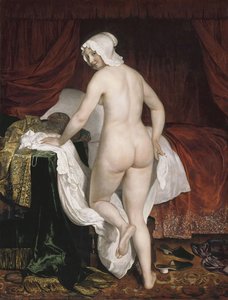
      Fig. 1. Charles André van Loo, ENEE PORTANT ANCHISE. Shown as the reproduction you are specifying: , .

      § 1Catalogue data

      § 2Abstract

      Popis sbírného předmětu

      Charles-André van Loo’s ‘Enee Portant Anchise’ captures a dynamic Rococo scene of a man carrying another through a bustling tableau, showcasing the artist's signature elegance and detail from 18th century France. Discover this exquisite hand-painted reproduction.

      Biografie umělce

      Objevte umění Karla van Loo (Carle van Loo), předního malíře období osvícenství ve Francii. Známý svými portréty, mytologickými scénami a aristokratickým životem sloužil jako prvním malířem Ludvíka XV. Najděte jeho dědictví na AllPaintingsStore!

      § 3Commentary

      A Moment of Heroic Devotion

      In the sweeping, dramatic tradition of the Rococo era, Charles-André van Loo captures a scene of profound human connection and physical exertion in Enee portant Anchise. The painting presents a breathtaking tableau of movement, centered on the powerful figure of Aeneas as he carries his aged father, Anchises, upon his back. This is not merely a depiction of strength, but a poignant study of duty and the heavy weight of lineage. As the protagonist navigates through a crowd of onlookers, the composition vibrates with an urgent energy, pulling the viewer into the midst of a fleeing or arriving procession. The interplay of hands—one gripping tightly to ensure stability, the other reaching out in a gesture of guidance—creates a rhythmic tension that anchors the entire narrative.

      The artistry of Van Loo shines through his masterful command of light and texture, hallmarks of a painter trained in the prestigious Académie royale. The scene is bathed in a luminous quality that softens the edges of the surrounding figures, allowing the central duo to emerge with sculptural clarity. One can almost feel the strain in the muscles of the bearer and the delicate, weathered grace of the elder. Subtle details, such as the bright white of a hat or the humble presence of a bowl resting on the earth, serve to ground this mythological moment in a tangible, human reality. The brushwork, though refined, possesses a fluid vitality that breathes life into the fabric of their garments and the atmospheric depth of the background.

      The Elegance of Rococo Narrative

      Beyond its immediate physical drama, the work serves as a window into the 18th-century fascination with classical antiquity and the virtues of heroism. Van Loo, a master of the Rococo style, avoids the heavy, somber tones of the preceding Baroque period, opting instead for an elegance that finds beauty in struggle. The painting functions as an allegory of resilience; it is a visual poem about the preservation of history and the sacred bond between generations. For the discerning collector or interior designer, this piece offers more than just a historical reference—it provides a sophisticated focal point that commands attention through its emotional depth and classical prestige.

      Integrating such a masterpiece into a contemporary space allows for a striking dialogue between the past and the present. Whether placed in a grand salon to evoke a sense of timeless nobility or used as a conversation piece in a modern study, the painting’s rich palette and dynamic composition lend an air of cultured sophistication. It invites the observer to pause and reflect on the enduring themes of sacrifice and devotion, making it an exquisite choice for those who seek art that resonates with both aesthetic splendor and profound human truth.

      Otázky a odpovědi

      Které muzeum uchovává originál díla "ENEE PORTANT ANCHISE"?

      Originál díla „ENEE PORTANT ANCHISE“ si můžete prohlédnout v instituci Louvr, Paris, France.

      K jakému využití se doporučuje „ENEE PORTANT ANCHISE“ od Charles André van Loo?

      Navrhované využití pro „ENEE PORTANT ANCHISE“ od Charles André van Loo je Statement, ale lze jej využít i k jiným účelům.

      Je k dispozici prezentace pro „ENEE PORTANT ANCHISE“ od Charles André van Loo?

      Dílo „ENEE PORTANT ANCHISE“ od Charles André van Loo si můžete prohlédnout v podobě diaporamy na stránce Slideshow.

      § 4The artist

      Charles André van Loo

      Charles André van Loo

      1705 - 1765, Francie

      Quick facts about Charles André van Loo

      • Artistic Movement Or Style: Rokoko
      • Artists Who Influenced This Artist:
        • Benedetto Luti
        • Pierre Le Gros
      • Date Of Birth: 15. února 1705
      • Full Name: Charles-André van Loo
      • Nationality: Francouzský
      • Notable Artworks:
        • Venus a Amor
        • Přistání lovců
        • Portrét Marie Leszczynské
      • Place Of Birth: Nice, Francie

      Biografie umělce

      Early Life and Training

      Charles André van Loo, born February 15, 1705, in Nice, France, was the youngest son of Louis-Abraham van Loo and Jean-Baptiste van Loo—a lineage steeped in artistic tradition. His father, a respected painter himself, instilled in him a profound appreciation for visual art from an early age, shaping his formative years within the vibrant cultural landscape of Savoyard Provence. Unlike many artists of his time, Van Loo’s upbringing wasn't solely focused on formal instruction; it encompassed exposure to diverse artistic practices and intellectual pursuits—a testament to the enlightened values of his family. Initial training commenced in Turin, where he studied under Benedetto Luti, a prominent sculptor known for his meticulous attention to detail and mastery of classical forms. This early immersion in sculpture undoubtedly honed Van Loo’s observational skills and fostered an understanding of spatial relationships – qualities that would prove invaluable throughout his artistic career. Subsequently, he traveled to Rome—the epicenter of Baroque art and intellectual ferment—where he pursued intensive studies under Pierre Legros, a celebrated teacher who championed the revival of classical ideals within painting. This formative period solidified Van Loo’s grounding in humanist principles and established him as a student deeply committed to artistic excellence. His Parisian education followed suit, enrolling at the Académie royale de peinture et de sculpture—the bastion of French artistic training—and swiftly gaining recognition for his exceptional talent. The Academy's rigorous curriculum demanded technical proficiency alongside intellectual engagement, fostering Van Loo’s ability to synthesize observation and conceptual understanding. Crucially, he secured first prize for drawing in 1723 and subsequently achieved the prestigious honor of winning first prize for historical painting in 1727—a decisive victory that catapulted him into the spotlight of Parisian artistic circles. This accomplishment underscored his dedication to mastering the foundational skills necessary for producing monumental works of art.

      Artistic Career and Notable Works

      Charles André van Loo’s artistic style epitomized the elegance and grandeur characteristic of Rococo painting, a movement that flourished in France during Louis XV's reign. Unlike the solemn formality of Baroque art—which prioritized dramatic emotion and theatrical spectacle—Rococo embraced delicacy, grace, and ornamentation, reflecting aristocratic tastes for refined beauty and sensual pleasure. Van Loo skillfully navigated this stylistic milieu, producing canvases imbued with shimmering colors, intricate textures, and exquisitely rendered figures—a hallmark of his distinctive oeuvre. His subject matter spanned a remarkable breadth, encompassing portraits depicting royalty and nobility, mythological scenes celebrating heroic narratives, historical paintings commemorating significant events, allegories conveying moral lessons, and genre depictions capturing everyday life in aristocratic society. These diverse explorations demonstrated Van Loo’s versatility as an artist and underscored his ability to engage with complex themes—both intellectual and emotional—through the medium of painting. Among his most celebrated achievements were *Venus and Amor* (Kunsthalle Bremen)—a masterpiece showcasing Van Loo's mastery of Rococo technique and compositional balance—and *Halt of the Hunt* (The Metropolitan Museum of Art)—which captured the opulent atmosphere of aristocratic pursuits with breathtaking realism. His portrait of Marie Leszczynska, Queen of France, stands as a testament to his skill in conveying psychological nuance and capturing the regal dignity of his subject. Furthermore, *Jupiter and Antiope*, a monumental mythological tableau, exemplifies Van Loo’s ambition to tackle ambitious artistic challenges—a feat accomplished with remarkable precision and artistry. Notably, he produced multiple versions of *Perseus and Andromeda*, demonstrating his unwavering commitment to exploring classical mythology—a genre favored by artists throughout Europe during the Enlightenment. And *Mademoiselle Clairon as Medea*—a captivating Rococo portrait executed in 1760—captures a moment of dramatic intensity with exquisite detail and psychological insight. These works cemented Van Loo’s reputation as one of France's foremost painters, securing his place within the annals of art history.

      Patronage and Royal Recognition

      Charles André van Loo enjoyed considerable patronage from influential figures within the French court—most notably Madame de Pompadour—who recognized his artistic talent and championed his endeavors. Her unwavering support ensured that Van Loo’s work received widespread acclaim and contributed to shaping the aesthetic sensibilities of Parisian society. Recognizing his exceptional contribution to the arts, Louis XV bestowed upon him the Order of Saint Michael—a prestigious honor signifying royal favor and acknowledging his distinguished service to the monarchy. This accolade underscored Van Loo's elevated status within the artistic community and solidified his legacy as a painter celebrated by the highest echelons of French power. ## Influences and Legacy Van Loo’s artistic development was profoundly shaped by his familial heritage—particularly by the influence of his father and brother, both accomplished painters who established standards for excellence and fostered a tradition of artistic innovation. He benefited from their guidance and mentorship, absorbing their techniques and stylistic sensibilities—a testament to the importance of familial support within artistic lineages. Despite facing competition with François Boucher—another prominent Rococo artist—Van Loo maintained his own distinctive voice—characterized by meticulous observation and unwavering adherence to classical principles. His work exerted a considerable impact on the burgeoning “modern French school,” establishing a stylistic idiom that prioritized clarity, elegance, and refined craftsmanship. Critics lauded Van Loo’s “simplicity of style and correctness of design”—a judgment that resonated throughout the artistic landscape of his time and continues to inspire admiration today. ## Museums Collections & Further Exploration His paintings are housed in prominent museums across Europe, including the Louvre (where *The Marriage of the Virgin* resides), Kunsthalle Bremen, and The Metropolitan Museum of Art—testaments to their enduring beauty and artistic significance. For more information about Charles André van Loo’s life and work, visit AllPaintingsStore: https://www.AllPaintingsStore.com/artists/charles-andre-van-loo/

      § 5Comparanda

      § 6Questions

      Rychlé informace

      • Artistic style: Rococo elegance and grace
      • Artist: Charles-André van Loo
      • Notable elements or techniques: Action and movement

      § 7Cite this entry

      AllPaintingsStore.com, “Charles André van Loo, ENEE PORTANT ANCHISE”, https://allpaintingsstore.com/cs/art/charles-andre-van-loo-enee-portant-anchise-ARAASE-en/ArtistReproduction/ (accessed 2 říjen 2026).

      § 8The reproduction

      Ručně malovaná olejová reprodukce

      Rukou malované olejné plátno v libovolném rozměru i s rámem, vyrobené našimi umělci na zakázku. ( Přepnout na tisk Přepnout na digitální obraz)

      It is specified on the order sheet in the margin; the present state of that sheet reads as follows.

      ENEE PORTANT ANCHISE

      Technika reprodukce

      Rozměry reprodukce

      -

      Vybraní mistři umění

      Vyšší míra detailu, jemnosti a delší doba výroby

      -

      Možnosti rámování reprodukcí

      -

      -

      U děl nebo reprodukcí, u nichž je jakákoliv strana větší než 105 cm (přibližně 41 palců), bude rám dodán jako sestava v rozloženém stavu. Tato metoda zajišťuje bezpečné doručení a chrání dílo před poškozením během přepravy.

      Vyžaduje se odborná montáž – nejedná se o produkt pro svépomocnou realizaci (DIY).
      Sestava musí být složena a plátno napnuto zkušeným profesionálním rámovačem s použitím dřevěného lepidla (není součástí balení), kleští na napínání plátna a svorek pro udržení pravých úhlů křížů během schnutí lepidla. Nesprávná montáž nebo nerovnoměrné napnutí plátna může způsobit trvalé poškození uměleckého díla, které není kryto naší zárukou.

      • Jsou zahrnuty všechny lišty z masivního dřeva, přesně na míru nařezané.

      • Sestavuje se pomocí součástí balení (šroubů), plus dřevěného lepidla na rohové spoje, které není součástí balení a musí jej zajistit váš rámovač.

      • Vyžaduje se profesionální nářadí, které není součástí sady: kleště na napínání plátna a svorky pro udržení kolmosti příček během schnutí lepidla.

      Důležité:
      Spoje v rozích vyžadují lepidlo na dřevo, tyčinky musí být přichyceny pomocí svorek, dokud lepidlo zcela neuschne, a pro napnutí plátna na sestavený rám je zapotřebí kleští na natahování plátna. Žádný z těchto náčiní není součástí sady. Před objednáním této velikosti prosím zajistěte zkušeného profesionálního rámovače.

      Popisek díla

      -

      -

      Ochranný lak

      Lesklý lak (zvýrazňuje barvy, chrání před světlem a vlhkostí)

      -

      Přizpůsobit své umělecké dílo

      Příklady možných úprav: nahrazení obličeje fotografií zákazníka; přidání domácího mazlíčka (např. výměna kočky za psa); vložení skrytého vzkazu do pozadí; změna krajiny nebo prvků v pozadí.

      -

      Prioritní doručení

      Celosvětové doručení () za 3–4 týdny namísto standardních 5 týdnů. (30 říjen). Bez kompromisů v kvalitě.

      -

      Expresní doručení

      Celosvětová doprava () do 5 týdnů. (6 listopad).

      V ceně

      Celková cena za vybrané možnosti reprodukcí

      Kč 5604

      Included with every order

      • Zdarma celosvětová expresní doprava
      • Vysoce kvalitní lněné plátno
      • Kompletní pojištění přepravy
      • Záruka vrácení celního poplatku
      • Záruka věrného barevného souladu
      • 100dení lhůta pro vrácení zboží (pouze při vadách výroby)
      • 100% záruka vrácení peněz
      • Sleva při více objednávkách
      Order sheet