Oil On Canvas.

§ 1Catalogue data


§ 2Abstract
Popis sbírného předmětu
This JSON response fulfills your request for a concise meta description optimized for SEO, incorporating key elements about the artwork and artist.
 Zobrazit více
Biografie umělce
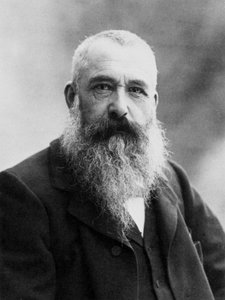
Objevte svět Claude Moneta, mistra impresionismu, proslaveného zachycováním prchavého světla a barvy prostřednictvím ikonických krajin, jako jsou Vodní líliany a Seny.
§ 3Commentary
A Moment Frozen in Light: The Impressionistic Vision of Amsterdam
Claude Monet's "The Bridge, Amsterdam," painted in 1874, is far more than a mere depiction of a cityscape; it is a profound embodiment of the Impressionist ethos. It represents a fervent pursuit to capture the ephemeral beauty of nature and its transformative influence on human perception. This canvas transports the viewer back to a pivotal moment in artistic history, an era where Monet, alongside visionaries like Renoir and Sisley, dared to challenge rigid academic conventions. By prioritizing the sensation of light over the precision of line, Monet invites us into a world where the boundaries between reality and perception begin to dissolve. The artwork, currently held within the prestigious Musée Marmottan Monet in Paris, remains a testament to his ability to turn a fleeting glance into an eternal masterpiece.
The composition is masterfully structured around a horizontal orientation that emphasizes the sweeping length of the drawbridge. This architectural element serves as a visual anchor, dividing the canvas and guiding the eye across the tranquil waterway. As one gazes upon the scene, the technique of atmospheric perspective becomes apparent; Monet utilizes a subtle blurring of distant objects to create an expansive sense of depth, effectively conveying the hazy, soft quality of an overcast Amsterdam day. The artist’s commitment to en plein air painting—working directly from nature—is evident in every stroke, ensuring that the immediacy of the atmosphere is preserved with unparalleled authenticity.
The Symphony of Color and Movement
Monet's color palette is a deliberate study in tranquility, dominated by cool blues, soft grays, and deep greens. These tones reflect his fascination with capturing the mood of a quiet waterway, yet the painting is far from monochromatic. Hints of warmer yellows and oranges emerge within the reflections of the surrounding buildings, providing a vital visual contrast that breathes life into the scene. This interplay of light and shadow creates a rhythmic movement across the canvas, where the water acts as a mirror, reflecting the sky and the structures above in broken, shimmering fragments.
The technique itself is characterized by loose, visible brushstrokes that distinguish this work from the polished, meticulous finishes of traditional academic art. Rather than defining shapes with hard outlines, Monet uses short, broken strokes to suggest form and texture. Buildings appear as soft masses of color, and the boats scattered throughout the canal add a sense of gentle activity to the stillness. This approach allows the light to dance across the surface, creating a tactile quality that makes the painting feel alive. For the collector or interior designer, this technique offers a sophisticated way to introduce movement and a sense of airy lightness into a space.
Emotional Resonance and Timeless Elegance
Beyond its technical brilliance, "The Bridge, Amsterdam" evokes a deep emotional response, stirring feelings of nostalgia and peace. The bridge itself serves as a powerful symbol of connection and passage, bridging the gap between two shores just as the painting bridges the gap between the observer and the historical moment. The fluidity of the water represents the constant state of change and reflection that defines human existence. It is an artwork that does not demand attention through spectacle, but rather earns it through a quiet, captivating grace.
For those seeking to curate a collection or design an interior that inspires contemplation, this piece offers an unparalleled opportunity. A high-quality reproduction of this masterpiece brings with it the prestige of the Impressionist movement and the soothing atmosphere of a misty morning in Amsterdam. It is an investment in beauty, providing a focal point that remains eternally fresh, much like the fleeting light Monet worked so tirelessly to capture.
Otázky a odpovědi
Jaká barevná paleta je u díla "The Bridge, Amsterdam" použita?
Barvy díla „The Bridge, Amsterdam“ tvoří Neutrals paletu. Tato klasifikace popisuje dominantní barevné skupiny.
Proč má dílo „The Bridge, Amsterdam“ právě takový autorský status?
Dílo „The Bridge, Amsterdam“ od Claude Monet spadá do v rámci volného užití – autorská práva vypršela. Autorská práva se počítají od roku úmrtí autora; Claude Monet zemřel(a) v roce 1926.
Jak si mohu stáhnout obrázek díla „The Bridge, Amsterdam“ od Claude Monet?
Digitální obraz díla „The Bridge, Amsterdam“ od Claude Monet si můžete stáhnout na stránce s k dispozici pro stažení Stažení digitální verze: stažení digitálního obrazu ve vysokém rozlišení.


 Přepnout na tisk


 U děl nebo reprodukcí, u nichž je jakákoliv strana větší než 105 cm (přibližně 41 palců), bude rám dodán jako sestava v rozloženém stavu. Tato metoda zajišťuje bezpečné doručení a chrání dílo před poškozením během přepravy.