

1902. .

§ 1Katalogová data


§ 2Abstraktní
Popis sbírného předmětu
Explore Claude Monet’s ‘Waterloo Bridge’ (1902). A hazy impressionistic masterpiece capturing London's atmosphere & industrial skyline. Discover its unique style & significance.
 Zobrazit více
Biografie umělce
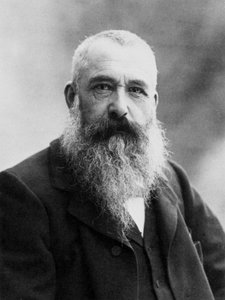
Objevte svět Claude Moneta, mistra impresionismu, proslaveného zachycováním prchavého světla a barvy prostřednictvím ikonických krajin, jako jsou Vodní líliany a Seny.
§ 3Komentář
A London Reverie: Claude Monet’s Waterloo Bridge
This captivating painting by Claude Monet transports us to a hazy, atmospheric vision of early 20th-century London. Completed in 1902, it is part of an extraordinary series – comprising over forty canvases – dedicated to the iconic Waterloo Bridge. More than just a depiction of a landmark, this work embodies Monet’s lifelong fascination with light, atmosphere, and the ephemeral qualities of modern life.Impressionistic Mastery: Style & Technique
The artwork is a quintessential example of Impressionism. Monet's signature style is immediately recognizable in the loose, broken brushstrokes that dissolve form into shimmering light and color. He eschews precise detail, instead prioritizing the *impression* of a scene – how it feels to be present in that moment. The muted palette of blues, grays, and subtle purples evokes the characteristic London fog, lending an air of mystery and tranquility. The technique is demonstrably “wet-on-wet,” with layers of paint applied directly onto the canvas while still damp, creating a sense of fluidity and immediacy. This approach allows colors to blend optically, enhancing the atmospheric effect.A City in Transition: Subject & Historical Context
Monet first visited London in 1870 during his exile from France amidst the Franco-Prussian War, and he returned repeatedly between 1899 and 1905 to create his “London Series.” He was captivated by the city’s unique atmosphere – particularly its fogs, a consequence of rapid industrialization. The Waterloo Bridge itself, completed in 1817, stood as a symbol of progress and connection. However, Monet wasn't interested in a literal representation; he sought to capture the *feeling* of London, the interplay between the old and the new, nature and industry. The distant cityscape, punctuated by industrial chimneys, hints at the burgeoning modern world while the bridge provides a grounding element within the scene.Symbolism & Emotional Resonance
The Waterloo Bridge series is rich in symbolic potential. The bridge itself can be interpreted as a metaphor for transition and connection – linking different parts of the city, but also perhaps bridging past and future. The fog, while obscuring detail, creates a sense of intimacy and invites contemplation. Monet’s repeated depiction of the same subject under varying conditions—time of day, weather—highlights the subjective nature of perception and the fleeting beauty of each moment. The overall emotional impact is one of serene melancholy; a quiet observation of urban life imbued with poetic sensitivity.A Legacy of Light & Atmosphere
Monet’s Waterloo Bridge series remains one of his most celebrated achievements, demonstrating his unparalleled ability to capture the essence of a place and time through light and color. This particular painting offers not just a visual experience but an invitation to pause, reflect, and immerse oneself in the atmospheric beauty of a bygone era. It's a piece that would lend sophistication and tranquility to any interior space, serving as a constant reminder of the power of Impressionism and the enduring allure of London’s enigmatic charm.- Artist: Claude Monet
- Date: 1902
- Medium: Oil on Canvas
Otázky a odpovědi
Mohu si prohlédnout "Waterloo Bridge" v celoplátno formátu slideshow?
K dispozici je sklízivka: stránka Slideshow díla „Waterloo Bridge“ od Claude Monet.
Jaká je vnímaná jasnost díla „Waterloo Bridge“ od Claude Monet?
Vnímaná jasnost díla „Waterloo Bridge“ od Claude Monet je balanced. Lze jej přizpůsobit osvětlení daného prostoru.
Jak "Waterloo Bridge" vyvažuje světlo a stín?
Zaznamenané hodnoty pro dílo „Waterloo Bridge“ od Claude Monet jsou: jas balanced, luminance Soft Shadow.


 Přepnout na tisk


 U děl nebo reprodukcí, u nichž je jakákoliv strana větší než 105 cm (přibližně 41 palců), bude rám dodán jako sestava v rozloženém stavu. Tato metoda zajišťuje bezpečné doručení a chrání dílo před poškozením během přepravy.


