


 Náhled
 Sdílet
 Sdílet
 Podrobnosti o díle

 Stáhnout
 Podobné položky
 Rentgenové snímky
 Slideshow
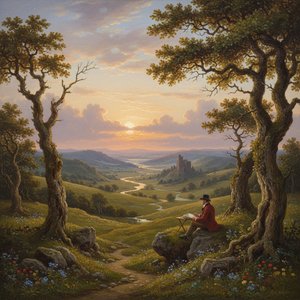
Newstead Abbey

 Zobrazit více
Giclée / Umělecký tisk
Giclée nebo plátěný tisk muzeální kvality s rychlou výrobou a flexibilními možnostmi povrchové úpravy. ( Koupit ručně malovaný obraz Koupit obrázek)




































Vyberte si z našich přednastavených velikostí, které odpovídají původním proporcím díla.

Můžete zadat vlastní rozměry tak, aby výtvor odpovídal konkrétnímu rámu nebo prostoru. Pokud zvolená velikost nebude odpovídat poměru stran původního obrazu, dílo buď ořížeme, nebo obraz rozšíříme pomocí zrcadlového efektu či jednobarevného okraje. Před zahájením výroby vám bude zaslán digitální náhled k schválení.
Mějte prosím na paměti, že náhled na obrazovce neodráží skutečné oříznutí nebo rozšíření. Pouze digitální náhled přesně zobrazí finální kompozici.
Ačkoliv jsou k dispozici i vlastní rozměry, pro zachování původních proporcí doporučujeme vybrat si rozměr z předdefinovaného seznamu.
Celosvětové doručení () do 2 týdnů namísto standardních 4/5 týdnů. (22 srpen)

Zdarma celosvětová expresní doprava

Vysoce kvalitní lněné plátno

Kompletní přepravní pojištění

Záruka vrácení celního poplatku

Záruka přesného barevného shodu

60denní lhůta pro vrácení zboží (pouze při vadách výroby)

100% garance vrácení peněz

Sleva při hromadné objednávce
 Skleněná varianta je dostupná pouze u rozměrů menších než 110 cm

Newstead Abbey
Giclée / Umělecký tisk
Rozměry reprodukce
-


Celková cena za výběr
$ 64
Podobná umělecká díla


Biografie umělce
A Symphony of Light and Precision: The Life of Cornelius Varley
In the vibrant, shifting landscape of nineteenth-century Britain, few figures embodied the harmonious intersection of scientific inquiry and artistic expression as profoundly as Cornelius Varley. Born in the London suburb of Hackney in 1781, Varley was a man whose very existence seemed to bridge the gap between the empirical rigor of the laboratory and the ethereal beauty of the watercolor studio. His early life was shaped by the meticulous influence of his uncle, a skilled maker of scientific instruments, under whom Varley acquired a foundational understanding of optics and the natural sciences. This unique education instilled in him a lifelong fascination with how light interacts with the world—a preoccupation that would eventually define both his groundbreaking inventions and his delicate brushwork.
The artistic soul of Varley was deeply intertwined with the cultural currents of his time, most notably the burgeoning Romantic movement. He shared a profound intellectual and spiritual bond with the visionary William Blake, a friendship that nourished a mutual interest in the unseen forces of imagination and perception. While Blake explored the mystical realms of the mind, Varley sought to capture the tangible wonders of the physical world through a lens of extreme precision. This duality—the ability to see both the scientific structure of an object and its poetic essence—allowed him to navigate the art world with a singular, observant eye, making him much more than a mere painter of landscapes.
The Mastery of Watercolor and the Spirit of Observation
Varley’s artistic journey truly took flight around 1800, following an evocative expedition through the rugged terrains of Wales alongside his brother, the renowned watercolorist John Varley. This period of travel served as a crucible for his developing style; the dramatic topography and ancient architecture of the Welsh landscape demanded a level of detail that would become his hallmark. As he transitioned from a student of science to a professional artist, he became a foundational figure in the British watercolor tradition. In 1803, he stood among the original founders of the Water-Colour Society, an achievement that cemented his status within the prestigious circles of London’s art community.
His technique was characterized by a meticulous attention to detail that mirrored his scientific training. Whether depicting the architectural grandeur of historical monuments or the tranquil, flowing scenes of the River Thames, Varley approached the paper with the precision of an instrument-maker. His works often possess a clarity and luminosity that suggest a deep understanding of light refraction and atmospheric conditions. This was not merely decorative art; it was an act of documentation, where every stroke of pigment served to record the precise interplay of shadow and brilliance upon the landscape.
A Legacy of Innovation and Scientific Contribution
Beyond the confines of the art gallery, Varley’s intellect left an indelible mark on the history of technology. He was a true polymath, utilizing his mastery of optics to invent the graphic telescope and the graphic microscope. These inventions were not mere curiosities but significant advancements that allowed for a more nuanced way of observing and projecting visual information. His ability to translate complex scientific principles into functional tools exemplifies the spirit of the age—a period where the boundaries between discovery and creation were beautifully blurred.
The historical significance of Cornelius Varley lies in his refusal to choose between the eye of the scientist and the heart of the artist. His life’s work stands as a testament to the idea that true understanding requires both measurement and emotion. Through his contributions to the Royal Academy, his leadership in scientific societies, and his enduring watercolor masterpieces, he helped shape the visual language of the Victorian era. He remains a celebrated figure for those who find beauty in the precise, and truth in the painted light.

Cornelius Varley
1781 - 1873 , United Kingdom
Rychlé fakta
- Artistic Movement Or Style: Classical Watercolor
- Artists Or Movements Influenced By This Artist: ['Romanticism']
- Artists Who Influenced This Artist: ['William Blake']
- Date Of Birth: November 21, 1781
- Date Of Death: October 2, 1873
- Full Name: Cornelius Varley
- Nationality: British
- Notable Artworks:
- Remains of Parton Hall,
- Newstead Abbey
- An Ivy-covered Tower By An Open Track, Ireland
- Place Of Birth: London, United Kingdom
Související články

Romantická krajina v malbě: 10 mistrovských děl, které definovaly umělecký proud | AllPaintingsStore
Prozkoumejte 10 ikonických děl romantické krajinářské malby! Objevte příběhy Caspara Davida Friedricha, Turnera a dalších mistrů. Reprodukce obrazů nejvyšší kvality pro váš interiér na AllPaintingsStore.com.
John Varley I: Intimate Observation & the British Romantic Landscape
Explore the serene landscapes of John Varley I, a key figure in British Romanticism. Discover his unique watercolour style, collaboration with William Blake & lasting artistic legacy. Learn about collecting Varley's work.

Capturing Stillness: A Curated Exploration of the Most Iconic Lake Landscapes in Art History
Journey through art history's most serene lake landscapes. From Romantic vistas to light-drenched Impressionist waters, discover the stories behind these iconic masterpieces and find museum-quality, hand-painted oil reproductions for your private collection.

Evocations of Place: A Historical Journey Through Landscape Art
Explore the rich history of landscape art with AllPaintingsStore. Discover renowned artists, movements like Impressionism & Romanticism, and expert guidance for collecting timeless pieces. Find your perfect serene escape today!

The Sublime and the Picturesque: Exploring Emotion & Nature in Romantic Landscape Painting
Explore the emotional power of Romantic landscape painting! Discover the sublime & picturesque traditions, key artists like Friedrich & Cole, and find your perfect artwork at AllPaintingsStore.


