


 Zobrazit v interiéru
 Odeslat
 Sdílet
 Podrobnosti
 Průvodce

 Stáhnout obrázek
 Podobné kousky
 Rentgenové snímky
 Slideshow
 Statistiky
Self-Portrait
 Acrylic On Paper
- WallArt
- Baroque
 1625
1625 183.0 x 137.0 cm
 Rijksmuseum
 Přečíst si více
Giclée / Umělecký tisk
Giclée nebo plátěný tisk muzeální kvality s rychlou výrobou a širokou nabídkou povrchových úprav. ( Objednat ručně malovanou reprodukci Přepnout na digitální verzi obrazu)




P118B Kč10

P118H Kč10

P118W Kč10

P438Z Kč10

P508JH Kč12

P508YH Kč12

P805H Kč10

P805Z Kč10

P919BZ Kč10

P919G Kč10

P919XJ Kč10

P959ZH Kč10

P968JZ Kč12

W106C Kč8

W218G Kč10

W218JH Kč8

W218Y Kč10

W307PJ Kč10

W316G Kč10

W316PJ Kč8

W316Y Kč10

W398PJ Kč8

W4111J Kč10

W500HY Kč15

W500JH Kč15

W692G Kč12

W849H Kč8

W940BG Kč15

W953PJ Kč8




Vyberte si z našich přednastavených velikostí, které odpovídají původním proporcím díla.

Zadejte šířku a výšku, které potřebujete pro váš rám nebo stěnu. Tisk lze pouze oříznout, nikdy však nelze zvětšit obraz nad jeho původní rozměr, proto při výběru jiného formátu dochází ke ztrátě části obrazu. Před samotným tiskem vám zašleme digitální náhled k schválení. Obraz zobrazený na této stránce nenabízí skutečný výřez — ten uvidíte pouze v náhledu.
Celosvětové doručení () do 2 týdnů namísto standardních 4/5 týdnů. (23 říjen)

Zdarma celosvětová expresní doprava

Vysoce kvalitní lněné plátno

Úplné pojištění přepravy

Záruka vrácení celního poplatku

Záruka věrného barevného shodu

100dení lhůta pro vrácení zboží (pouze při vadách výroby)

100% garance vrácení peněz

Sleva při více objednávkách
 Skleněná varianta je dostupná pouze u rozměrů menších než 110 cm

Self-Portrait
Giclée / Umělecký tisk
Velikost reprodukce
-


Celková cena
Kč 1373
David Bailly’s “Self-Portrait” – A Window into Dutch Golden Age Soul
David Bailly's "Self-Portrait," painted in 1625, isn’t merely a likeness; it’s a carefully constructed meditation on identity, artistry, and the fleeting nature of existence—a quintessential example of the introspective spirit flourishing during the Netherlands’ Golden Age. This remarkable work, rendered in meticulous pen and ink on light brown paper, offers a rare glimpse into the mind of an artist deeply engaged with his craft and the world around him. The painting immediately draws the viewer in with Bailly's direct gaze, a subtle challenge and invitation to contemplate the scene before them.
The composition is deceptively simple yet profoundly layered. Bailly presents himself in a three-quarter pose, seated at a wooden table cluttered with the tools of his trade: brushes, scissors, and a rolled-up sheet of paper—each element whispering tales of creative process and intellectual pursuit. The stark contrast between the dark, densely hatched areas of his clothing and the lighter, more open spaces around him immediately establishes a sense of depth and texture. Bailly’s face is rendered with an astonishing level of detail; the delicate lines defining his curly hair, the prominent nose, and the expressive eyes all contribute to a portrait that feels remarkably alive. The inclusion of a white collar, a fashionable accessory of the period, adds a touch of formality while simultaneously highlighting the artist's self-awareness.
The Baroque Influence & Vanitas Symbolism
Bailly’s style firmly resides within the Baroque tradition, though tempered by his distinctly Dutch sensibility. The influence is evident in the dramatic lighting—a diffused quality that casts subtle shadows and highlights—and the intricate detailing of every element within the composition. However, unlike the grandiosity often associated with Baroque art, Bailly's work possesses a quiet intimacy. He masterfully employs hatching and cross-hatching to build up tonal values, creating a sense of volume and texture without resorting to heavy brushstrokes or vibrant colors. This technique is particularly evident in the depiction of his jacket, where the meticulous lines create a complex pattern that suggests both skill and patience.
Crucially, “Self-Portrait” incorporates elements of *vanitas*, a symbolic genre popular during the Baroque period. The inclusion of tools like scissors and the rolled-up paper serves as reminders of the ephemeral nature of artistic creation—a fleeting moment captured on paper. The table itself is laden with objects that speak to mortality: a partially consumed candle, suggesting the passage of time; and the very act of painting, an endeavor requiring sustained effort and ultimately leading to the artist’s own eventual demise. These subtle yet potent symbols invite contemplation on themes of life, death, and the transient beauty of the world.
A Window into a Dutch Master's Life
Beyond its artistic merits, “Self-Portrait” offers valuable insights into the life of David Bailly himself. Born in Leiden in 1584, Bailly’s early training involved apprenticeships with skilled craftsmen—a testament to the importance of practical experience in the Netherlands’ burgeoning art scene. His travels throughout Europe, particularly his sojourn in Rome, exposed him to the artistic innovations of the Renaissance and Baroque periods, which undoubtedly influenced his style. The painting can be seen as a reflection of this journey – a distillation of experiences and influences into a single, powerful image.
Bailly’s legacy extends beyond his portraits and still lifes. He was also a respected teacher, passing on his knowledge and techniques to subsequent generations of artists. “Self-Portrait” stands as a poignant reminder of the artist's dedication to both his craft and his students, solidifying his place as a pivotal figure in Dutch Golden Age art. It’s a work that continues to resonate with viewers today, offering a glimpse into the soul of an extraordinary man and the enduring power of artistic self-expression.
Further Exploration & Reproduction Details
For those seeking deeper understanding, resources like WikiArt (https://www.wikiart.org/en/david-bailly/self-portrait-1625) and Wikipedia (https://en.wikipedia.org/wiki/David_Bailly) offer extensive biographical information and critical analyses of Bailly’s work. The painting itself is a remarkable example of 17th-century artistry, showcasing the precision and skill of pen and ink techniques.
AllPaintingsStore offers high-quality reproductions of “Self-Portrait,” meticulously crafted to capture the essence of Bailly's original masterpiece. These reproductions are ideal for interior design, art collecting, or simply as a beautiful reminder of this iconic work of Dutch Golden Age art. Consider commissioning a hand-painted reproduction – a truly unique and authentic addition to any collection.
Otázky a odpovědi
Jaká je vnímaná jasnost díla „Self-Portrait“ od David Bailly?
Celkově je dílo „Self-Portrait“ hodnoceno jako brilliant. Vnímaná jasnost popisuje, jak světlé nebo tmavé se dílo jeví.
Jak mohu získat digitální kopii díla „Self-Portrait“ od David Bailly?
„Self-Portrait“ je k dispozici jako stažení digitálního obrazu ve vysokém rozlišení, lze jej zakoupit přímo na stránce Digitální obraz.
Mohu si prohlédnout dílo „Self-Portrait“ od David Bailly pod jiným osvětlením?
Dílo „Self-Portrait“ lze prohlížet vrstvu po vrstvě na stránce Rentgenové snímky, která slouží jako interaktivní prohlížeč inspirovaný světelnou lavicí restaurátora a nabízí jedenáct optických nálezů obrazu.
Související díla


Biografie umělce
David Bailly: A Life in Dutch Golden Age Art
Early Life and Training (1584-1608)
- Birth and Family: David Bailly was born in Leiden, Netherlands, in 1584. His father, Peter Bailly, was a Flemish immigrant who worked as a calligrapher and fencing master.
- Early Artistic Education: He initially received drawing instruction from his father and the copper engraver Jacques de Gheyn. This foundational training instilled in him a strong draftsmanship.
- Apprenticeships: Bailly further honed his skills through apprenticeships with Adriaan Verburg, a surgeon-painter in Leiden, and Cornelius van der Voort, a portrait painter in Amsterdam. These experiences exposed him to different artistic techniques and subject matter.
The Grand Tour and Early Career (1608-1613)
- Continental Travels: In the winter of 1608, Bailly embarked on a ‘Grand Tour,’ traveling through Frankfurt, Nuremberg, Augsburg, Hamburg, Tyrol, and Venice before reaching Rome. This journey was crucial for his artistic development.
- Italian Influence: He spent five months in Venice working as a journeyman, absorbing the influences of Italian Renaissance and Venetian art. His return voyage included commissions from German princes, including the Duke of Brunswick.
Artistic Development and Style (1613-1657)
- Diverse Subject Matter: Upon returning to the Netherlands in 1613, Bailly began painting a variety of subjects, including still lifes and portraits. He became known for his self-portraits and depictions of students and professors at the University of Leiden.
- Vanitas Paintings: A significant portion of his oeuvre consists of *vanitas* paintings – symbolic works that reflect on the transience of life, often featuring flowers, candles, and other ephemeral objects. These paintings demonstrate a philosophical depth alongside artistic skill.
- Portraiture Style: His portrait style is characterized by realism and attention to detail, capturing the likenesses and personalities of his sitters with sensitivity.
Major Achievements and Guild Membership
- Guild Leadership: In 1648, Bailly was elected headman of the Leiden Guild of St. Luke, a testament to his standing within the artistic community.
- Teaching Legacy: He served as a teacher and mentor to his nephews, Harmen and Pieter Steenwijck, passing on his knowledge and skills to the next generation.
Influences and Historical Significance
- Artistic Influences: Bailly was influenced by the Italian masters he encountered during his Grand Tour, as well as by Dutch predecessors in portraiture and still life painting.
- Impact on Dutch Art: He contributed to the flourishing of art during the Dutch Golden Age, particularly through his insightful *vanitas* paintings that reflected the era’s preoccupation with mortality and spirituality.
- Legacy: While not as widely recognized today as some of his contemporaries, David Bailly remains an important figure in the history of Dutch art, representing a blend of technical skill, intellectual depth, and artistic innovation.

David Bailly
1584 - 1657 , Netherlands
Rychlé informace
- Name: David Bailly
- Movement: Dutch Golden Age painting
- Birth Date: 1584
- Death Date: 1657
- Influenced:
- Harmen Steenwijck
- Pieter Steenwijck
- Birth Place: Leiden, Netherlands
- Nationality: Dutch
- Date Of Birth: 1584
- Date Of Death: 1657
- Influenced By:
- Adriaan Verburg
- Cornelius van der Voort
- Jacques de Gheyn
- Notable Works:
- Self-Portrait with Vanitas Symbols
- Portrait of Anthony de Wale
- Place Of Birth: Leiden, Netherlands
Související články
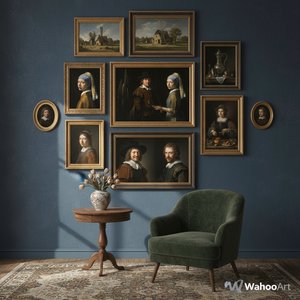
Top 10 mistrovských děl holandského baroka – obrazy a umělci | AllPaintingsStore.cz
Objevte 10 ikonických děl holandského baroka! Prozkoumejte příběhy Rembrandta, Vermeera a dalších mistrů. Repliky obrazů nejvyšší kvality pro váš interiér na AllPaintingsStore.cz – inspirace a umělecké reprodukce online.
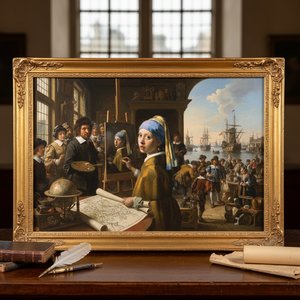
Golden Age Reflections: Dutch Baroque Painting & Cultural Innovation
Explore the Dutch Golden Age of painting! Discover key artists like Vermeer & ter Borch, their innovative techniques, and the rich cultural context behind these Baroque masterpieces. Learn about collecting & appreciating this iconic art period.

Golden Light & Dutch Skies: The Timeless Magic of Dutch Golden Age Landscapes
Discover the breathtaking beauty of Dutch Golden Age landscapes. Explore the mastery of light, chiaroscuro, and 17th-century realism through an expert art history lens, celebrating the enduring legacy of the Dutch Masters for discerning collectors and art lovers.

Chiaroscuro and Character: A Definitive Guide to Light and Shadow in the Dutch Baroque Era
Explore the dramatic mastery of the Dutch Baroque era. Discover how masters like Rembrandt used chiaroscuro to transform everyday life into timeless art. An expert guide for collectors and enthusiasts seeking to understand the profound interplay of light and shadow.
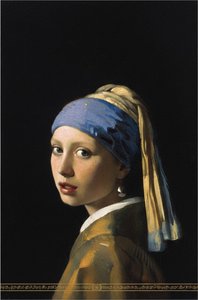
Zlatý věk nizozemského malířství: 10 mistrovských děl pro váš domov | AllPaintingsStore.com
Prozkoumejte 10 ikonických děl nizozemského zlatého věku – Rembrandt, Vermeer a další mistři. Objevte příběhy za obrazy, techniky a inspiraci pro váš interiér s reprodukcemi nejvyšší kvality na AllPaintingsStore.com.

